ETF demand, not the squeeze, carried Bitcoin to $87,000
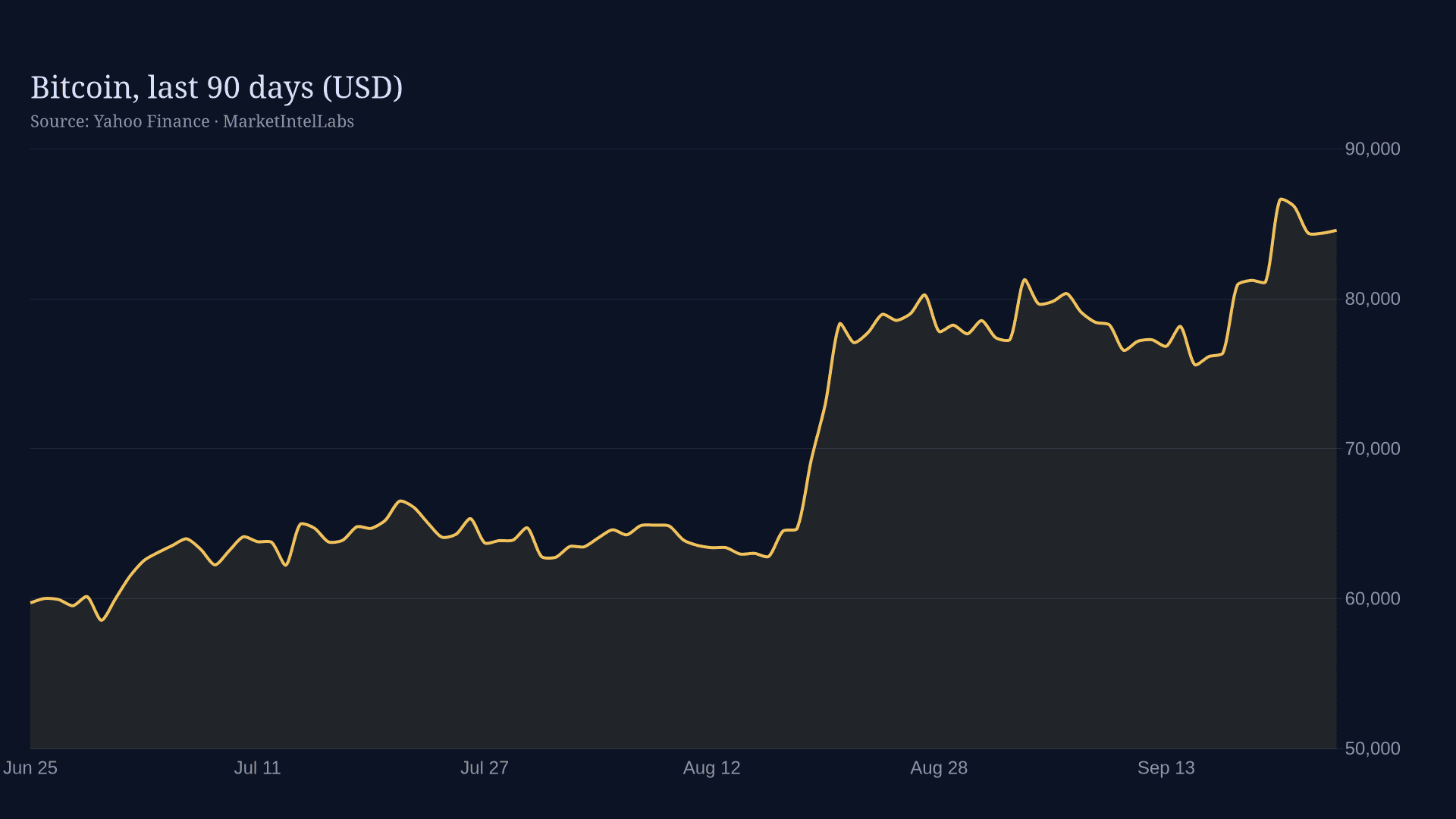
Bitcoin is back above $87,000 on more than $2 billion of fresh ETF creations this week. The durable-vs-one-time question is whether that bid outlasts the short squeeze that helped light it.
Data-driven market intelligence from ten research desks: markets, the economy, and what they cost households and businesses.

Bitcoin is back above $87,000 on more than $2 billion of fresh ETF creations this week. The durable-vs-one-time question is whether that bid outlasts the short squeeze that helped light it.

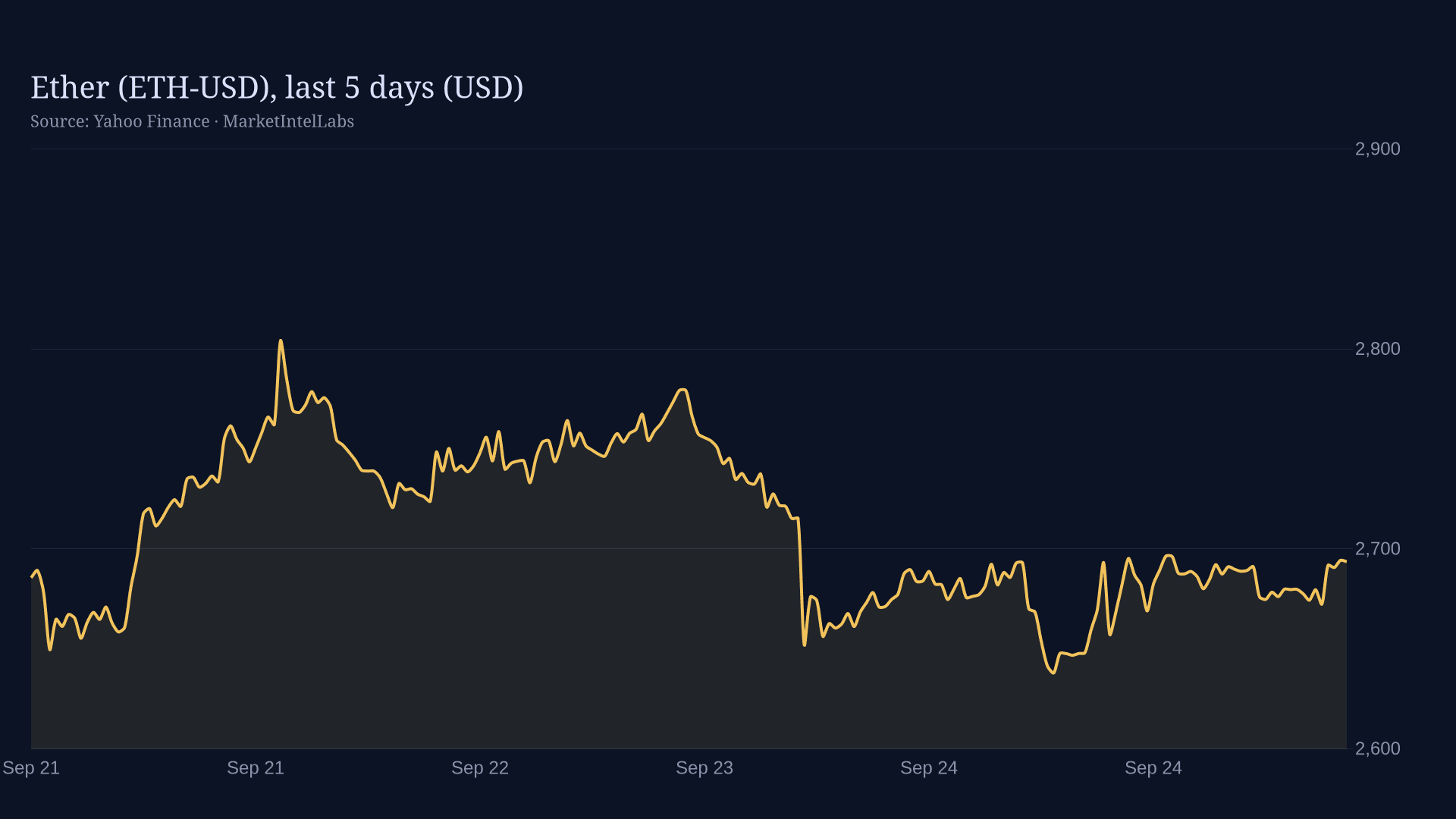
US spot Ethereum ETFs reversed a $140M outflow week with $270M of inflows on Sept 21. Ether settled near $2,679 as the SEC and CFTC advanced crypto rules.

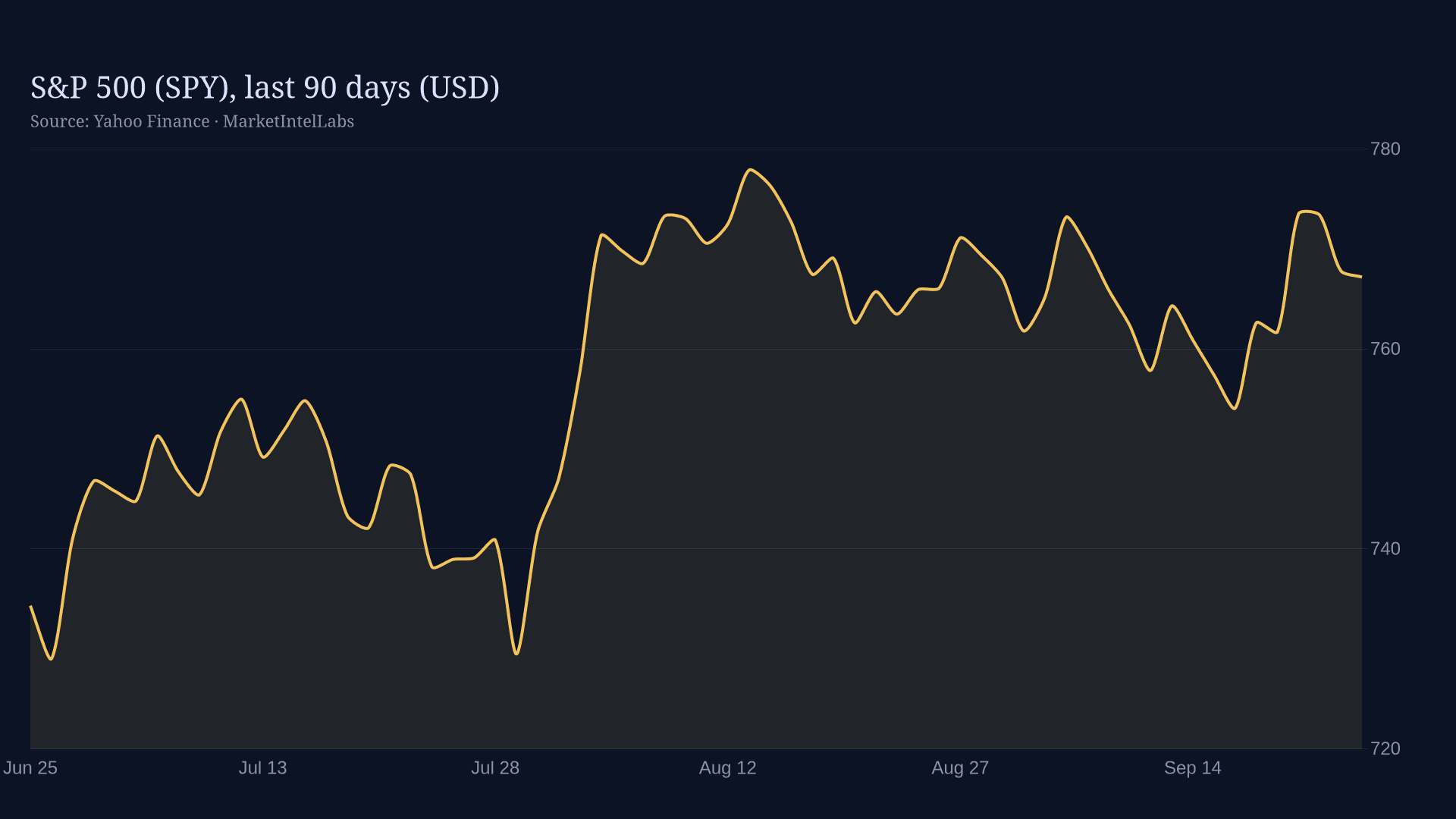
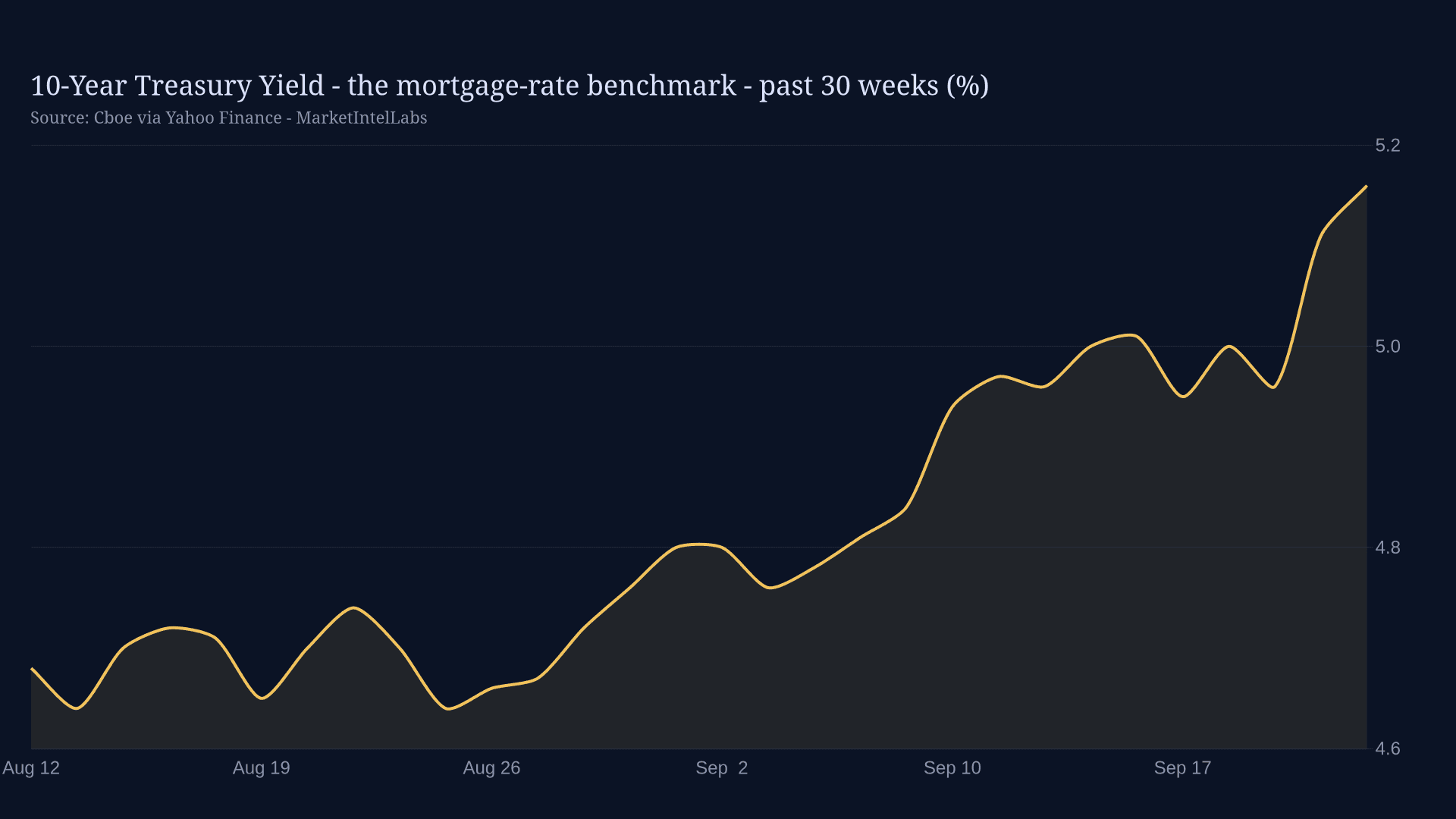
SPY closed Thursday up 0.72% at 767.18, but a 5% 10-year yield drove a rate-shock rotation under thin breadth ahead of the Sept 30 core PCE print.

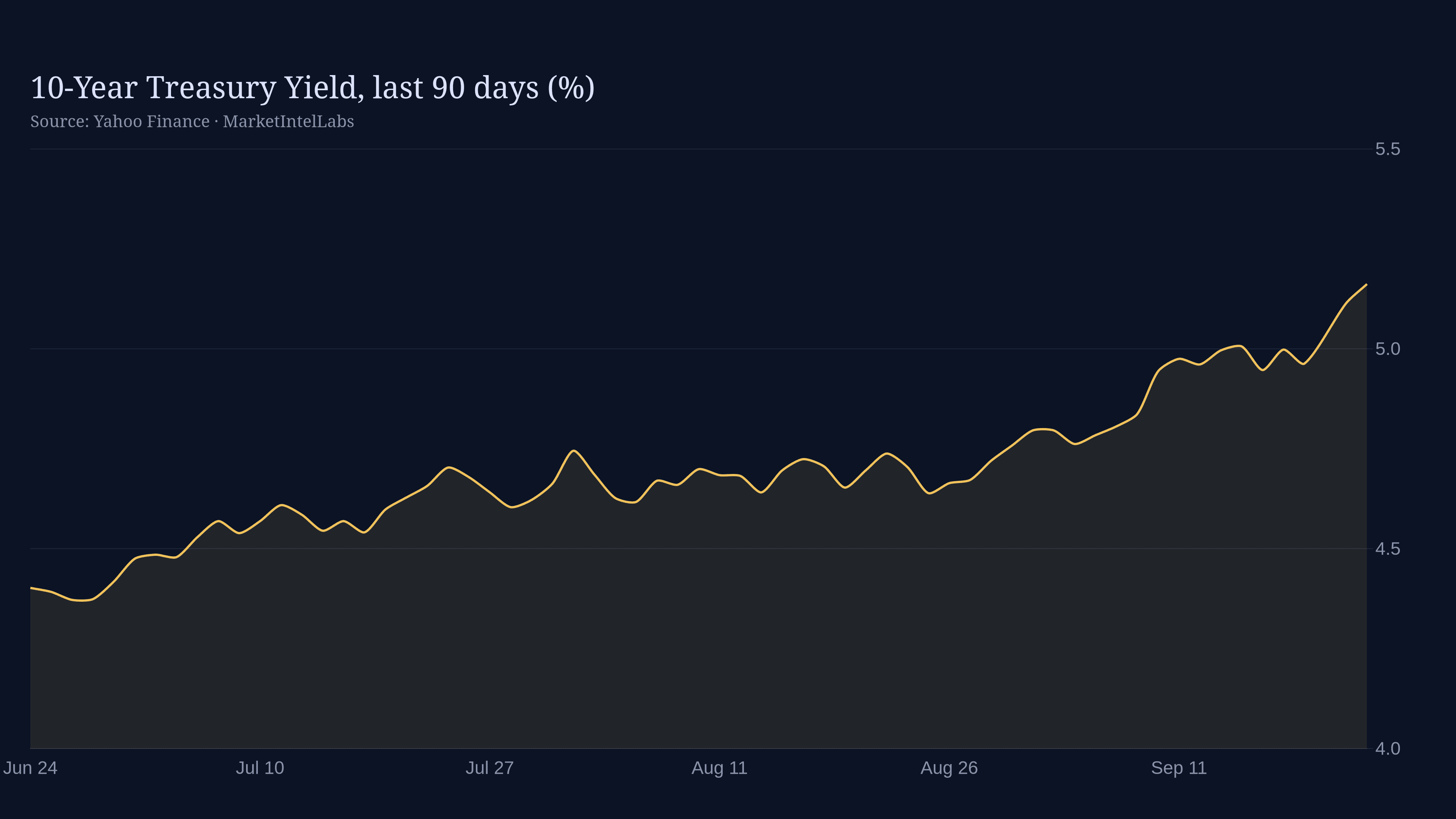
The 10-year hit 5.11% after the Fed's first hike since 2023. Higher-for-longer is the base case. What the August PCE print on Sept 30 decides.

The unemployment rate fell from 4.3 to 4.1 percent between May and August 2026, but the participation rate dropped 0.8 points to 61.6 over the same stretch, meaning the labor market tightened through people leaving the workforce rather than through hiring.

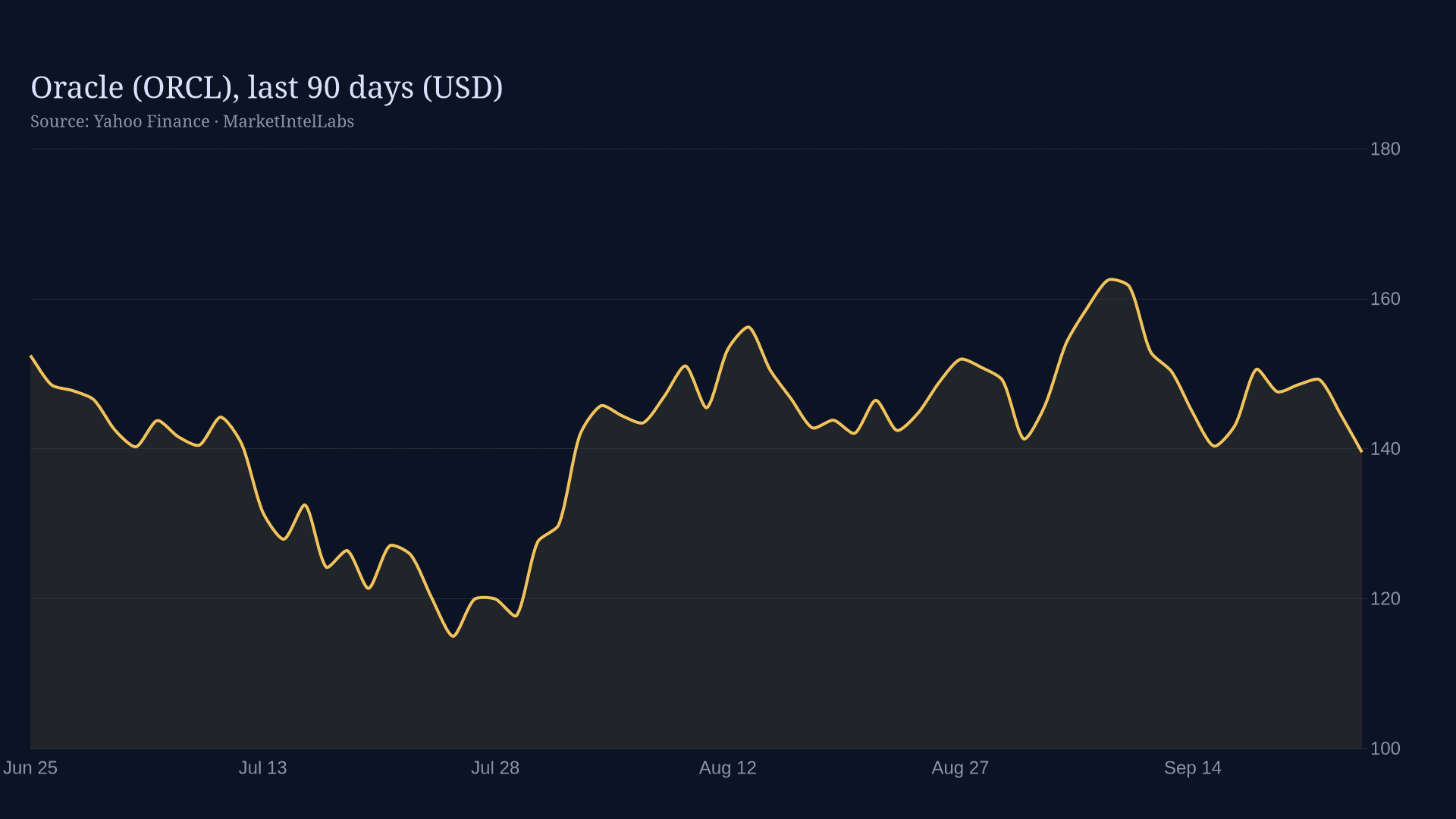
Oracle's September 24 notice on the $165 billion New Mexico Stargate campus lets it defer payments if power slips past 2028, and an $18 billion loan already trading at 89 to 91 cents shows lenders are pricing the delay too.

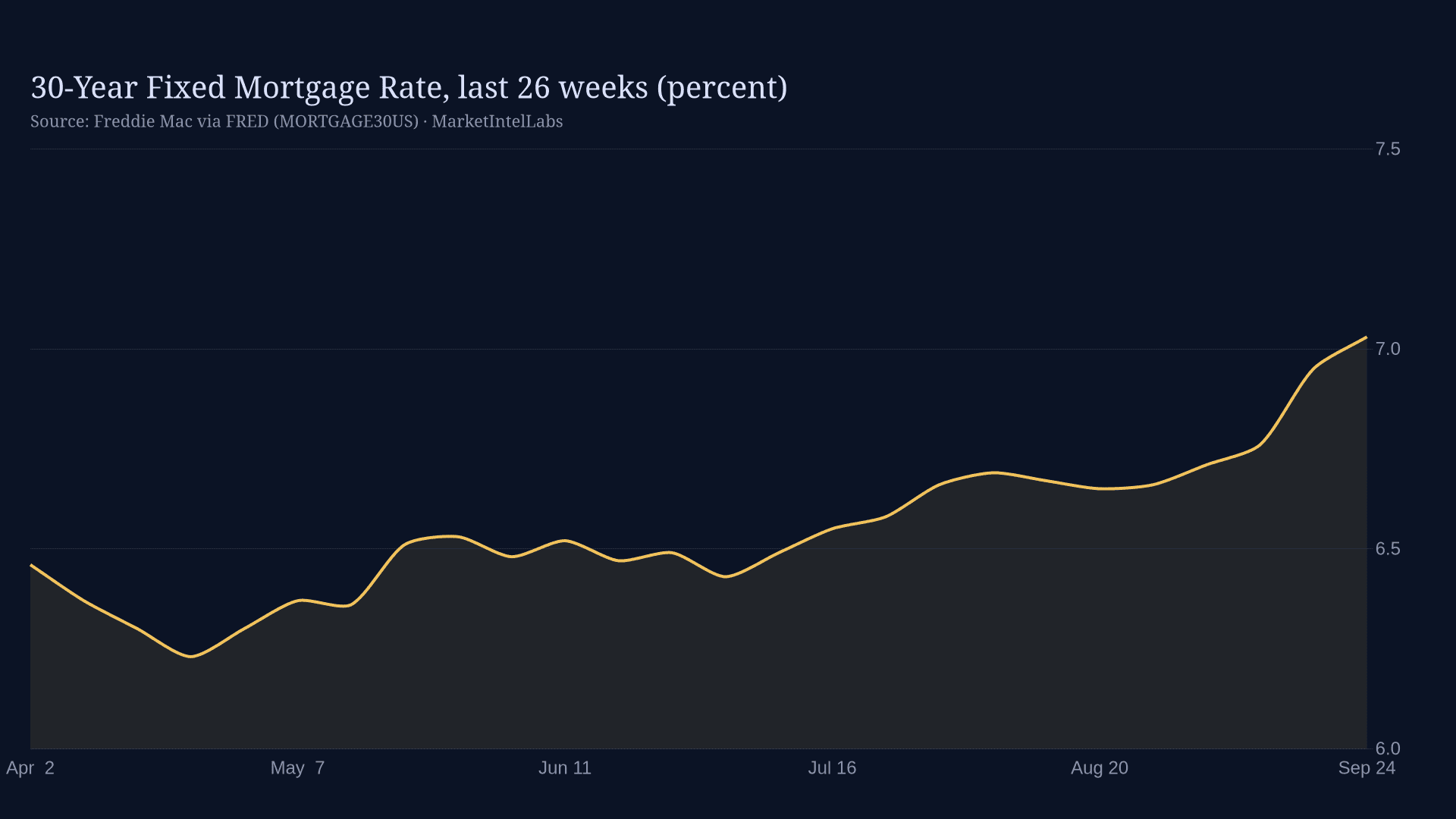
Builders moved 684,000 new homes in August and cut months of supply to 8.5, but the 30-year fixed at 7.03 percent adds $237 a month to the median payment since February and sets up a sub-4-million September.

Freddie Mac's September 24 survey put the 30-year fixed at 7.03 percent, the first time above 7 percent since January 2025, which adds $96 a month on a $350,000 loan versus July and lands on top of an August CPI that already had households paying 3.4 percent more than a year ago.

Kalshi's Anthropic-first contract trades at 93 cents on September 25 after Sam Altman ruled out a 2026 OpenAI listing and Anthropic's own window slipped to November.

Suez Canal transits rose from 41 to 48 in Week 38, adding effective capacity faster than carriers can blank sailings, and Drewry's 24 September print has Asia-Europe rates falling while Transpacific holds.

Median employee tenure rose to 4.1 years in January 2026 from 3.9 in 2024, the first increase since 2016, and the short-tenured share fell to 20.6 percent, confirming a labor market frozen between rare layoffs and stalled hiring.

Memory inventories have collapsed to under a week of supply, and Micron's September 30 results will show whether AI demand can justify prices that have risen tenfold in parts of the channel.