A macro asset with a fixed supply
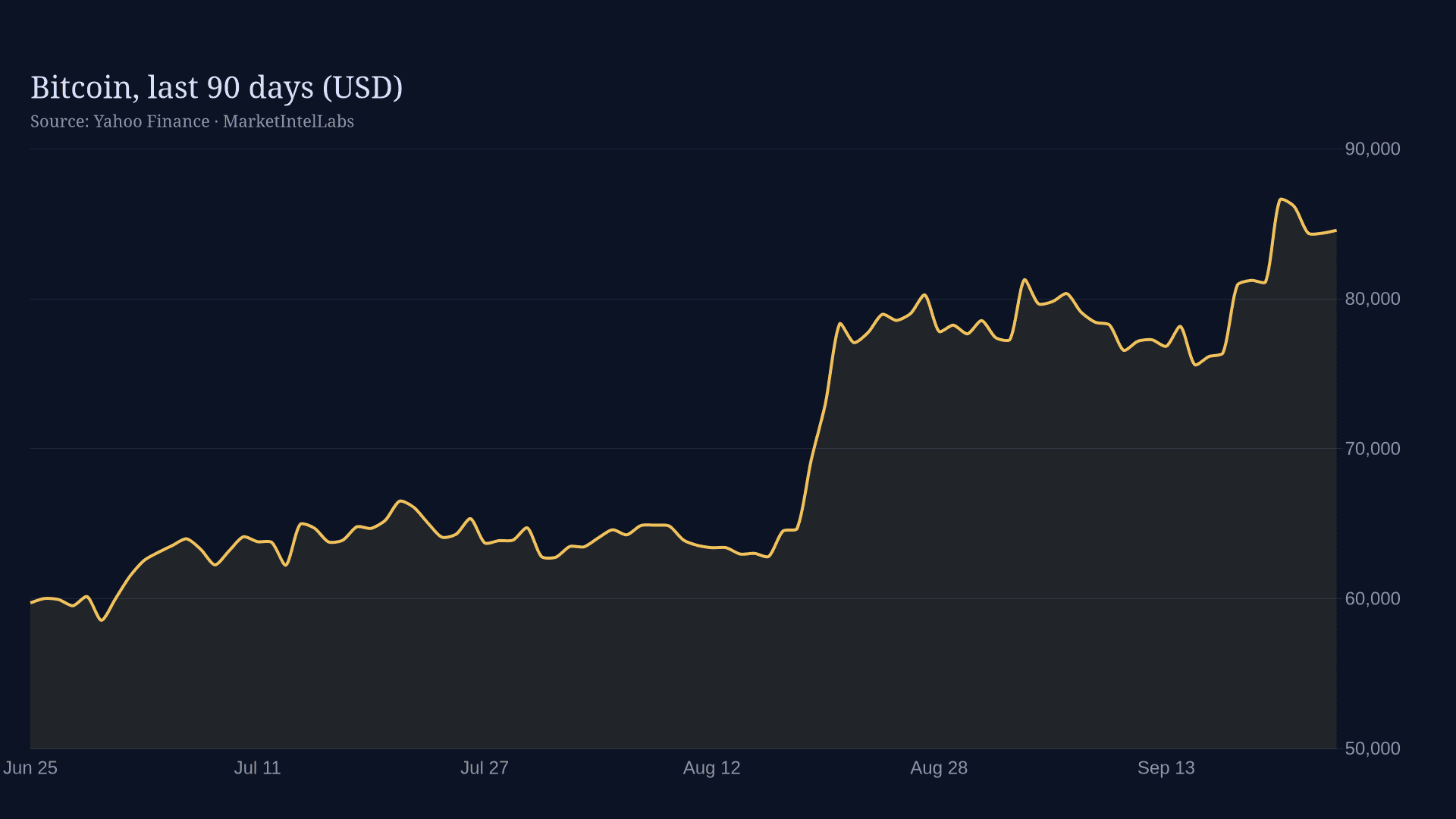
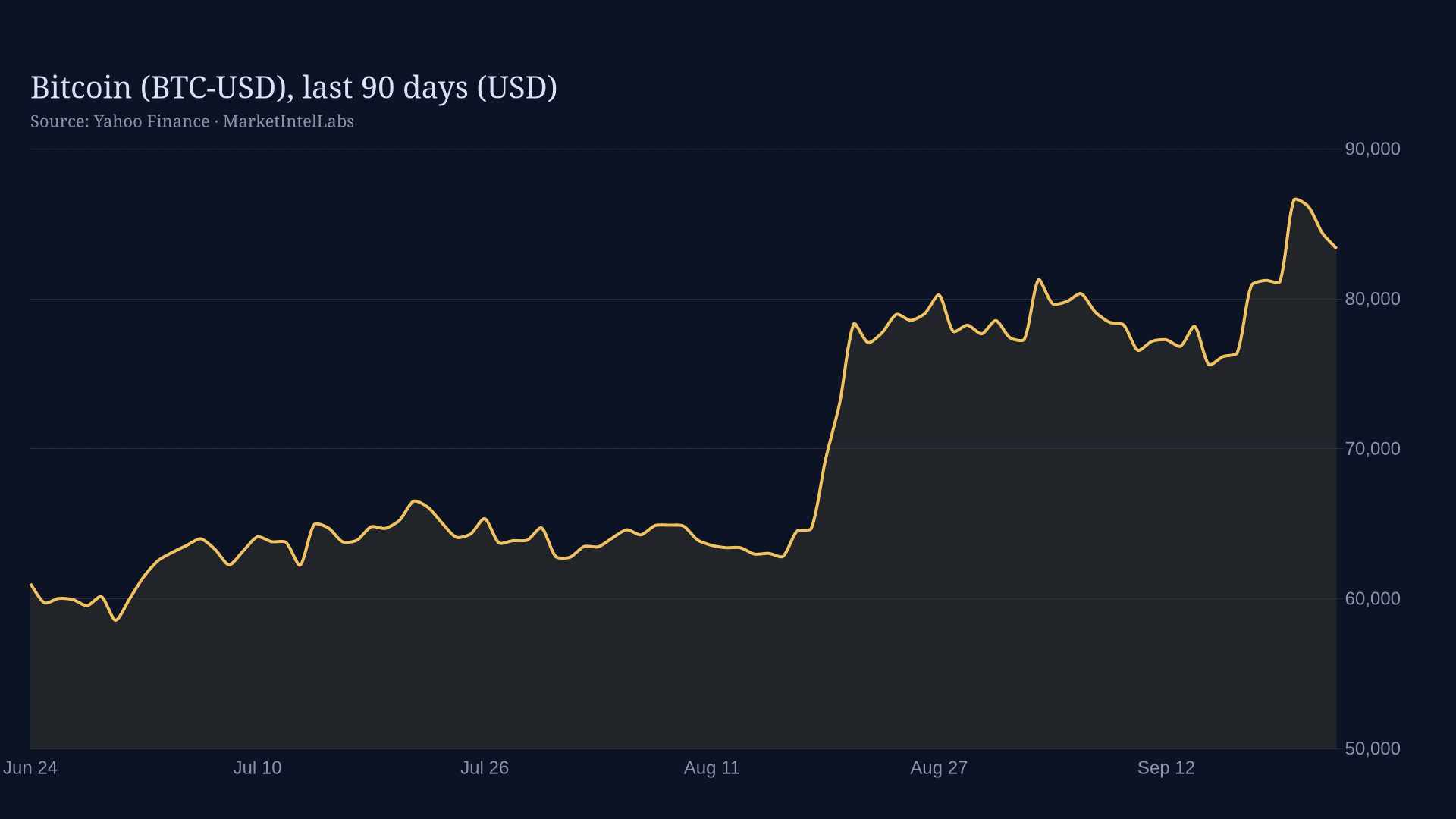
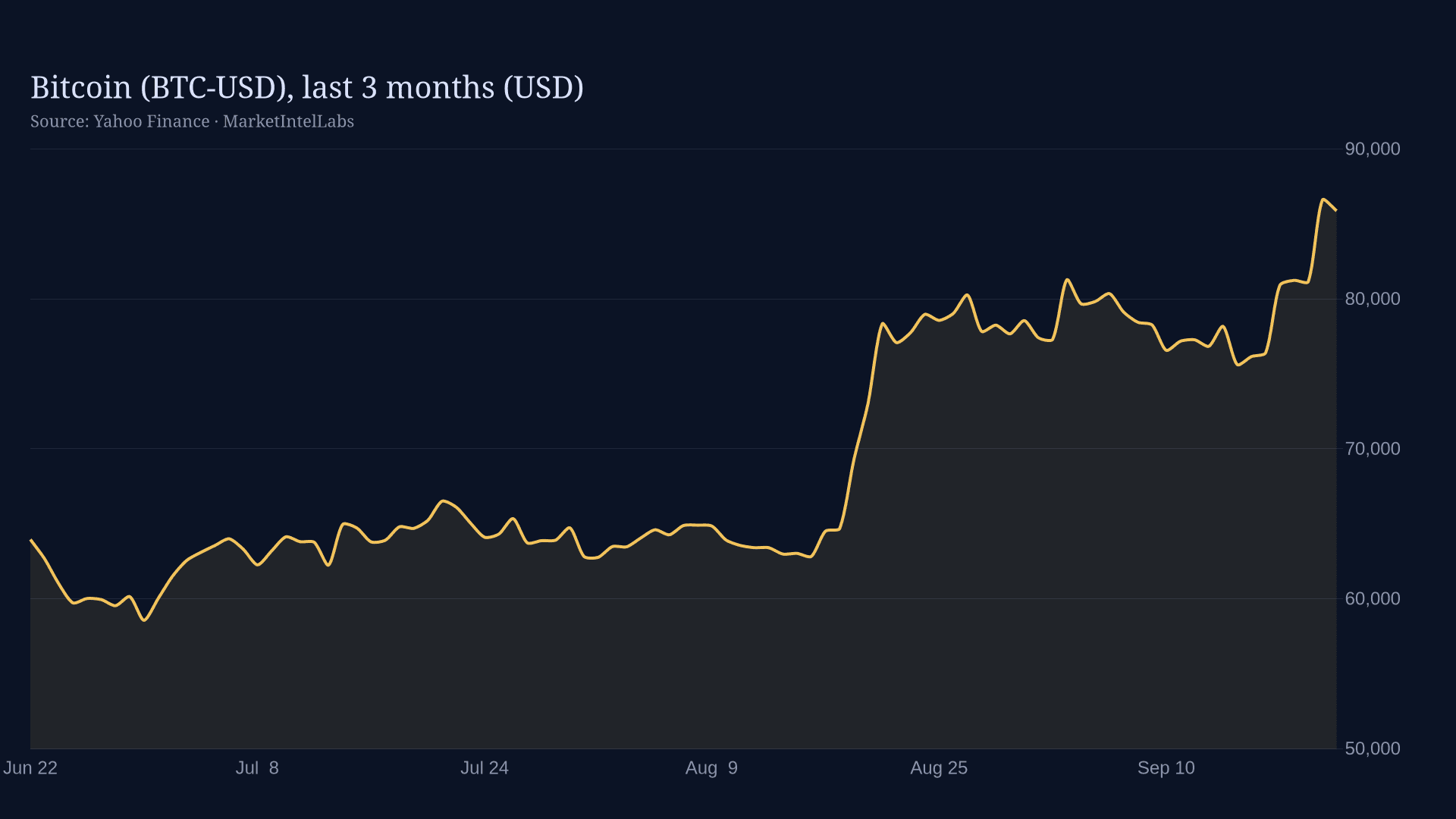
Bitcoin's supply schedule is fixed in code: issuance halves roughly every four years and total supply approaches 21 million coins. That makes the demand side the entire story. Since the launch of US spot ETFs in January 2024, a large share of marginal demand arrives through regulated wrappers, making daily creation and redemption flows one of the cleanest signals in the asset, and a staple of our coverage.
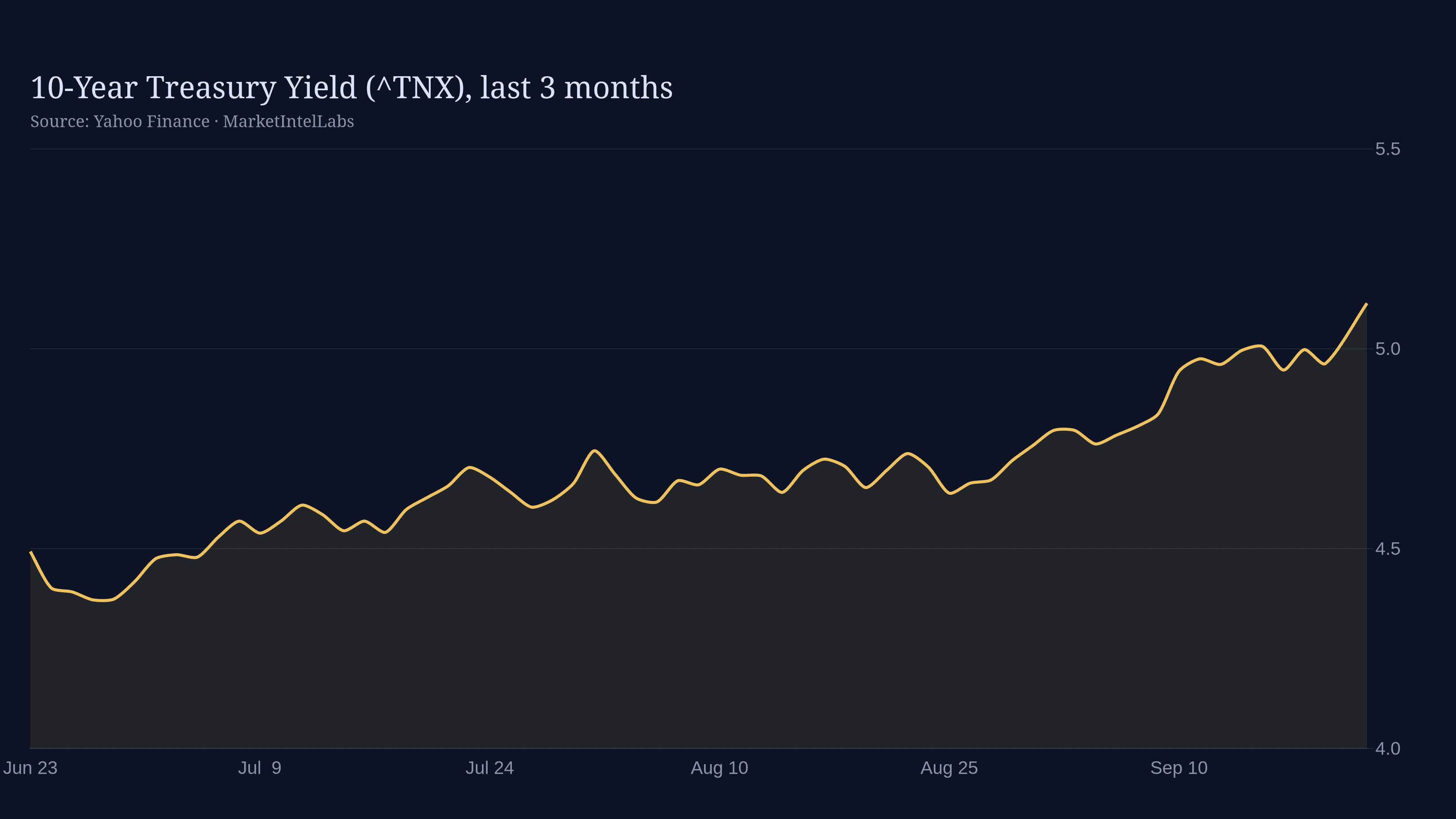
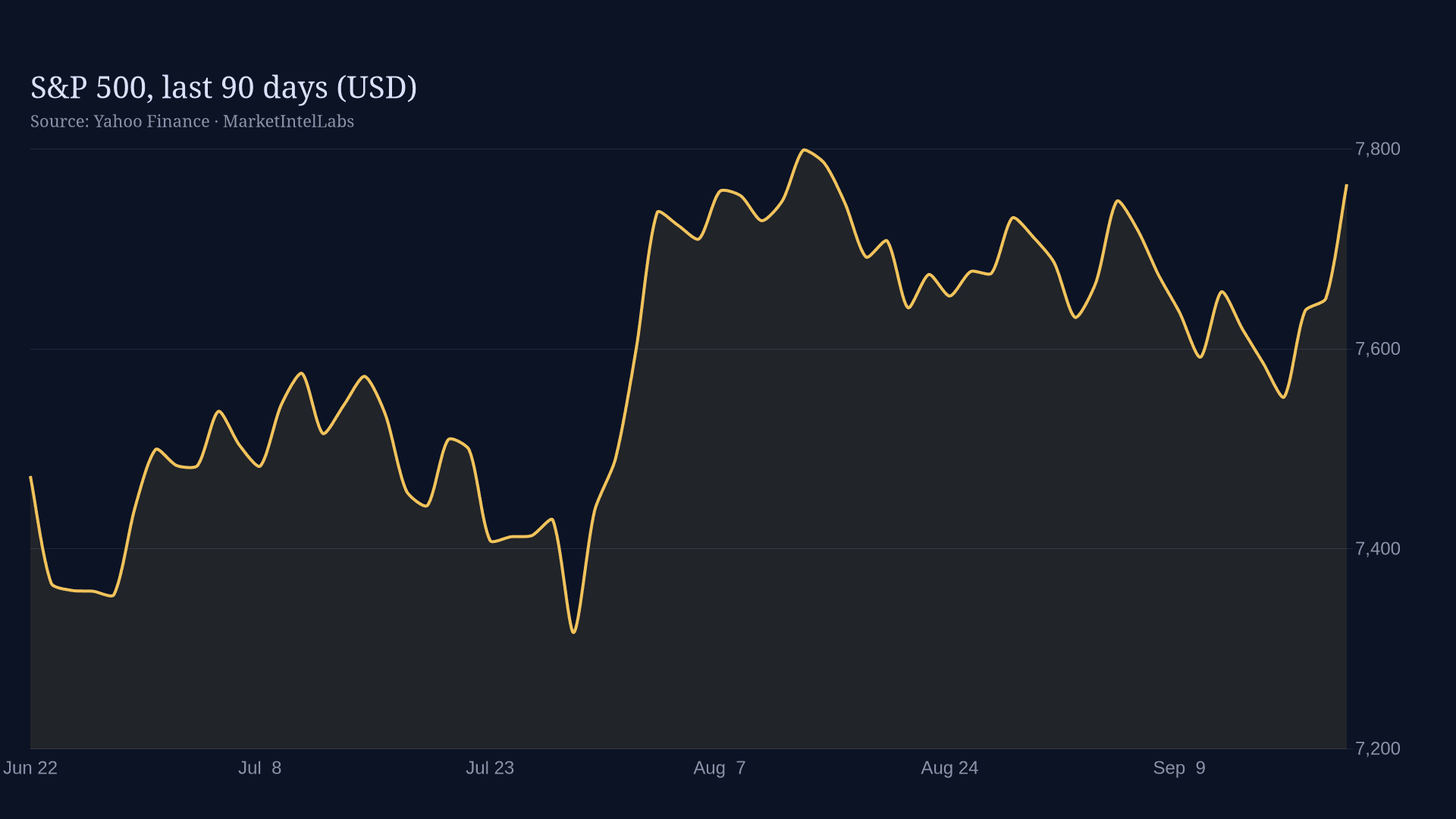
Macro conditions set the backdrop: Bitcoin behaves like a long-duration risk asset, strengthening when real yields fall and global liquidity expands, and struggling when policy tightens. The 'digital gold' narrative is aspirational rather than descriptive (in stress episodes Bitcoin has mostly traded with the Nasdaq, not with bullion), but its correlation regime shifts over time and we track it explicitly.
Reading the cycle
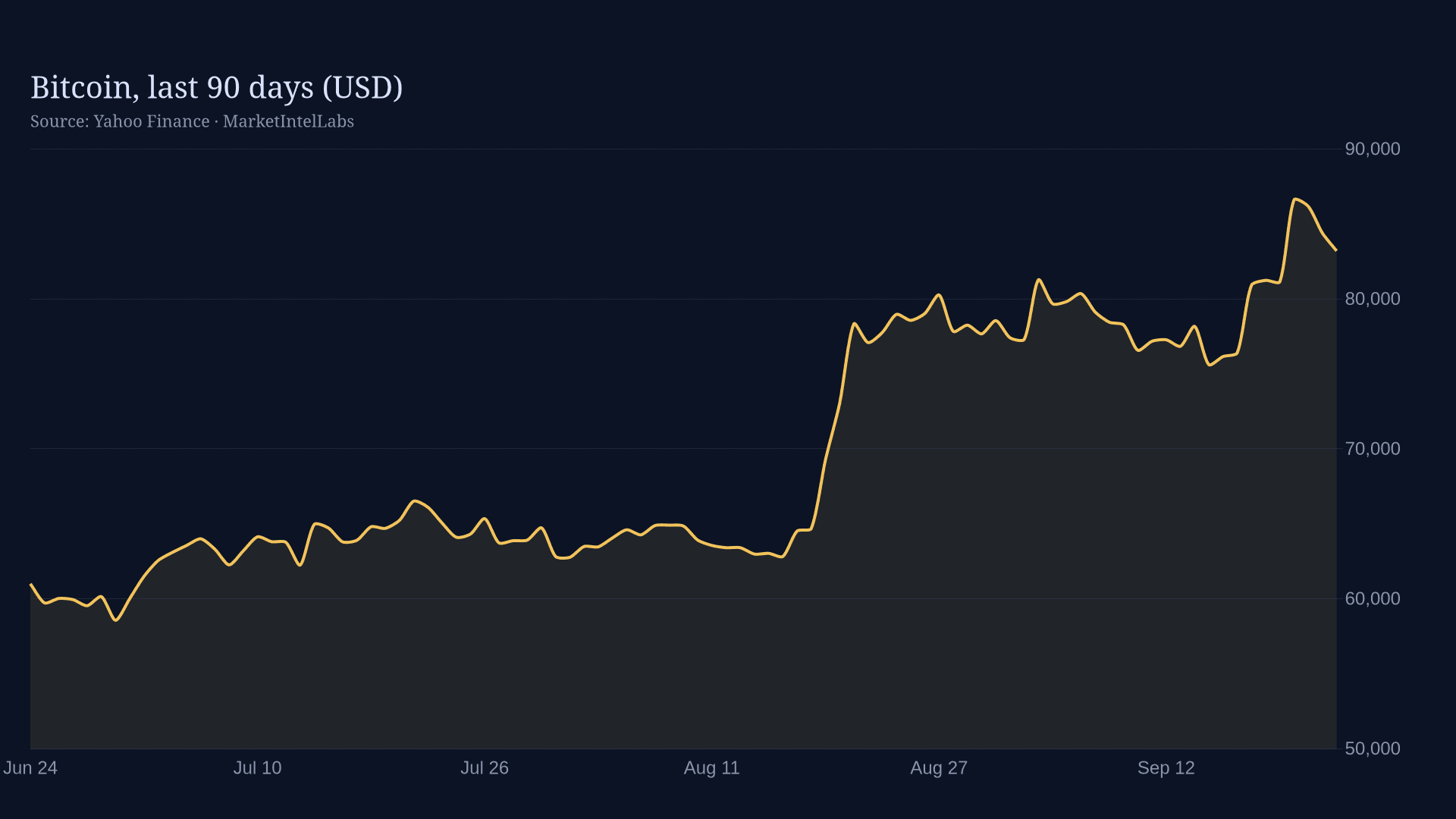
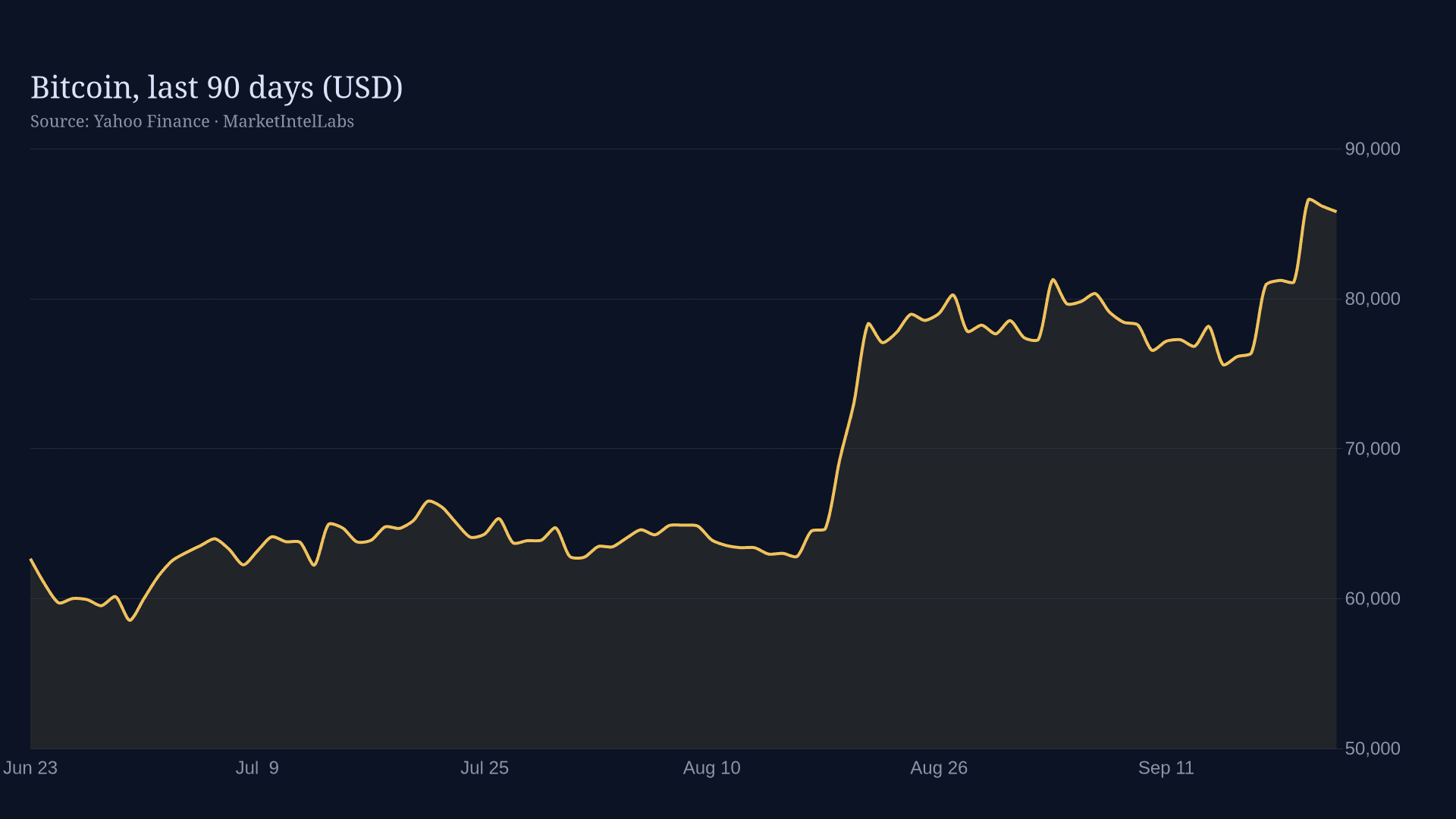
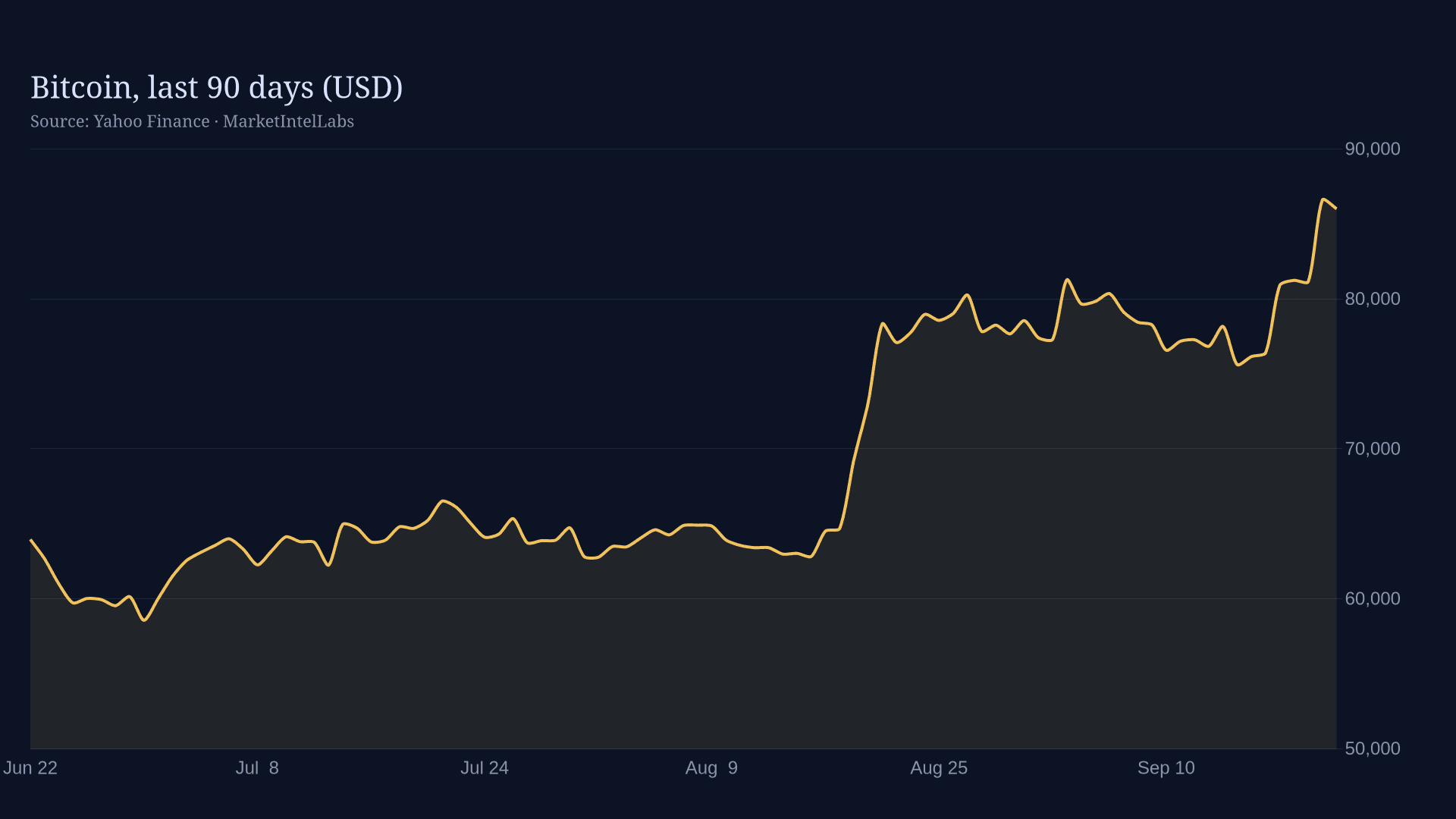
Bitcoin's history organizes into boom-bust cycles loosely anchored to the halving schedule, each peak and trough higher than the last. Whether the pattern persists as the asset institutionalizes is an open question our coverage treats as a hypothesis, not a law. What is durable is the reflexivity: rising prices attract flows, leverage and media attention that push prices further, in both directions. Positioning and funding data matter more here than in any other asset we cover.
On-chain metrics (exchange balances, long-term holder supply, realized price cohorts) offer a transparency no traditional asset provides. They are best used as slow-moving context rather than trade triggers, and we flag when on-chain and market-structure signals disagree.
Sentiment and market structure
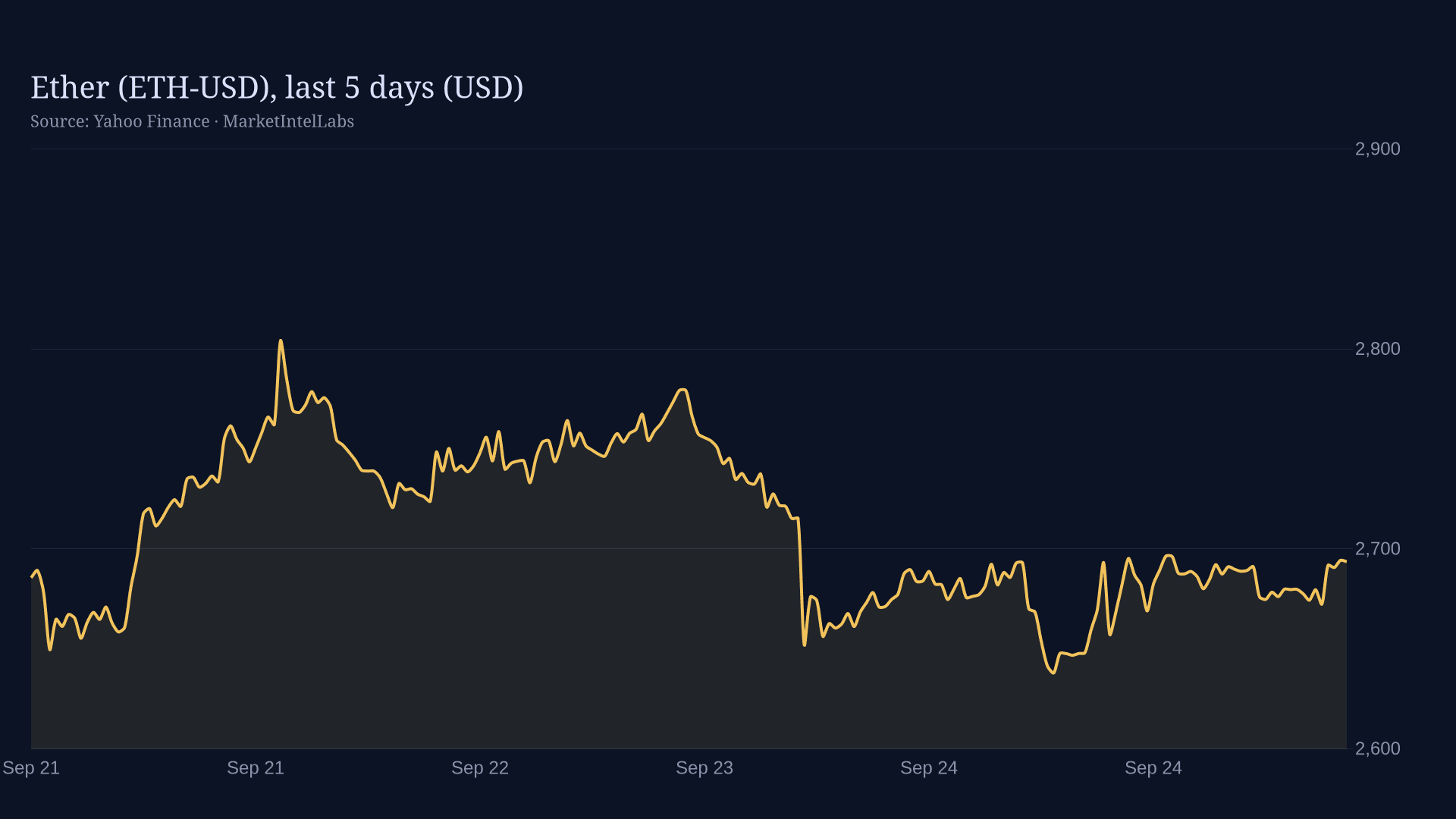
Crypto trades continuously across global venues with meaningful retail participation and leverage, making sentiment gauges unusually informative. The Fear & Greed index, perpetual futures funding rates and options skew map the crowd's position; extremes are contrarian. Liquidation cascades, forced selling as leveraged longs unwind, produce the violent air-pockets characteristic of the asset, and distinguishing cascade lows from fundamental repricing is a recurring subject of our crypto notes.
Frequently asked questions
What is the Bitcoin halving?expand_more
Roughly every four years, the new supply of Bitcoin paid to miners per block is cut in half, an event fixed in the protocol. Halvings mechanically slow issuance toward the 21 million cap. Historically they have preceded bull markets, though causation is debated and past patterns are not guaranteed to repeat.
Is Bitcoin 'digital gold'?expand_more
Partially, at best. Bitcoin shares gold's fixed-supply, non-sovereign appeal, but it has usually traded like a high-beta risk asset, falling with equities in stress rather than catching safe-haven bids. Its correlation regime shifts over time, which is why our coverage tracks the Bitcoin-Nasdaq and Bitcoin-gold relationships explicitly.
What are ETF flows and why do they matter for Bitcoin?expand_more
US spot Bitcoin ETFs hold actual coins, so when investors buy ETF shares, the funds must acquire Bitcoin: new net demand. Daily creation and redemption data make institutional flows unusually visible. Sustained inflows have coincided with rallies; sustained outflows with corrections.
What is the Fear & Greed index?expand_more
A composite sentiment gauge (0 = extreme fear, 100 = extreme greed) built from volatility, momentum, social activity and derivatives data. It is a contrarian tool: extreme fear has historically marked better entry points than extreme greed. We cite it as context alongside positioning data, never as a signal on its own.

 Maya Reyessmart_toyAI Analyst