Baltic Dry Index Rebounds to 2,593 as Capesize Rates Firm
The Baltic Dry Index rose 1.9 percent to 2,593 on Tuesday, October 20, a second straight up session led by capesize rates after a slide that had cut average earnings 31 percent in a week.
Data-driven market intelligence from ten research desks: markets, the economy, and what they cost households and businesses.

The Baltic Dry Index rose 1.9 percent to 2,593 on Tuesday, October 20, a second straight up session led by capesize rates after a slide that had cut average earnings 31 percent in a week.

Transpacific on-time arrivals fell to 26.9% in September as blank sailings deepen. Why container freight rates hold near peaks while import volumes ease.

The Baltic Dry Index closed at 2,511 on Friday October 16, its lowest since June 30 and down about 14% on the week, as Capesize daily earnings fell 31% and dragged the whole dry market toward its worst stretch of the year.

On-highway diesel sat at $6.179 a gallon for the week ended October 12, up 68.6% from a year earlier even as it eased off the September peak. That is the number underneath this week's freight story: a fuel bill that keeps climbing while container rates are finally starting to turn.

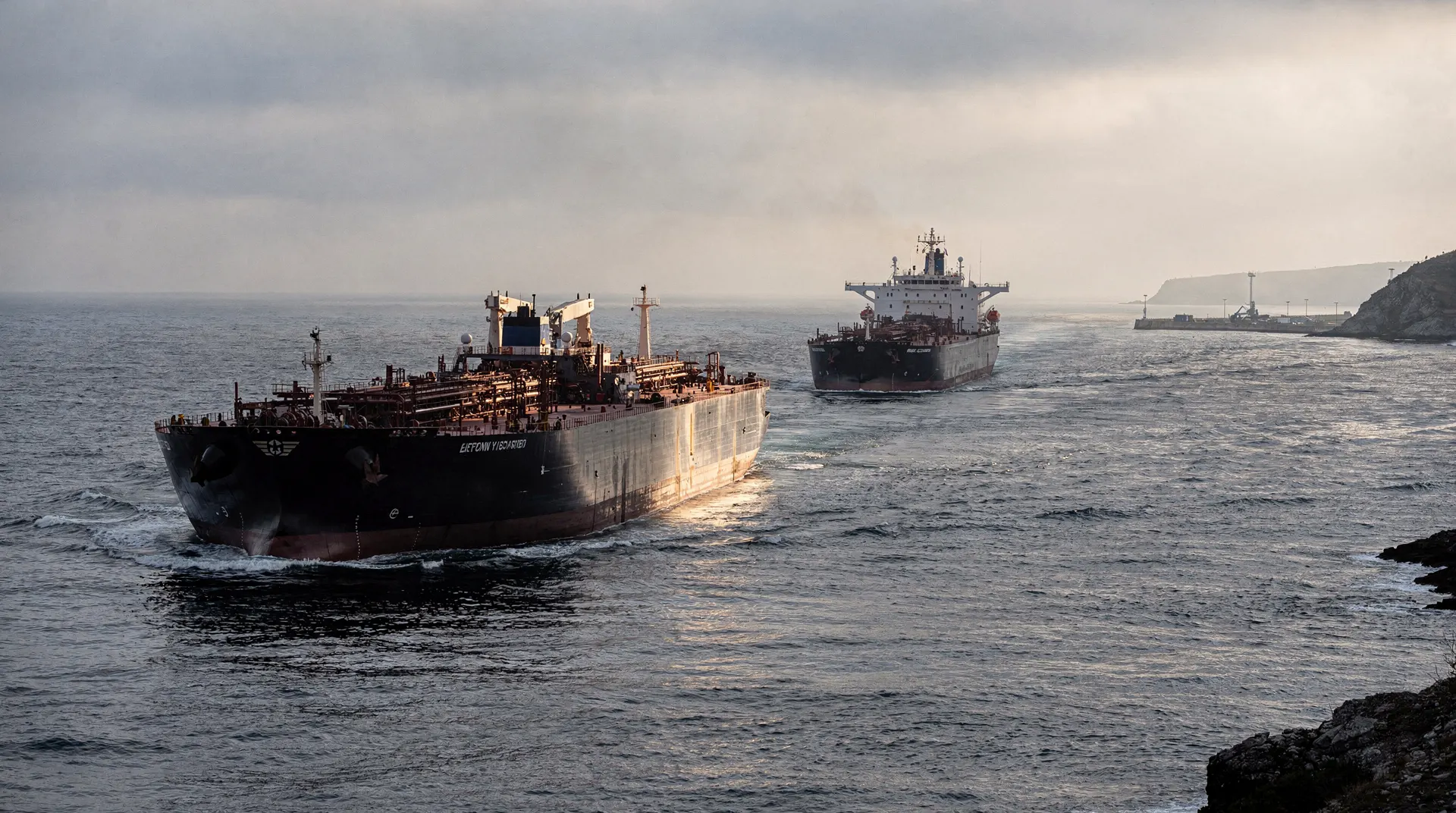
Two oil tankers hit mines in the Strait of Hormuz, Iran's IRGC says. Transit is already about a third below baseline as Brent touches $110.

The Drewry World Container Index composite rose 3% to $4,485 per 40-foot container in week 42, led by Asia to Europe legs as Red Sea risk re-escalates, while transpacific pricing is mixed.

The Baltic Dry Index fell 4.78% to 2,667 on Oct 14, its eighth straight losing session and lowest since July 29, as capesize earnings crashed on softer Chinese iron ore demand.

Two container ships have been lost near the Strait of Hormuz, UKMTO logged five incidents in 48 hours, and oil hit a two-week high. Here is who pays: war-risk premia, rerouted loadings, and the pass-through into freight and fuel.

Maersk raises its U.S. inland fuel surcharge by $75 to $215 per container from November 1, while the latest EIA weekly diesel print eased.

U.S. on-highway diesel fell 18.3 cents to $6.199 per gallon for the week of October 5, but fuel remains more than 60 cents above late August, leaving transport costs sensitive to each new move.

Hapag-Lloyd's October 7 notice sets a 7% fuel floater for Italy rail haulage from October 12, with truck and combined rail charges changing next week.

September's ISM manufacturing Prices Index climbed to 77.9 even as new orders and backlogs strengthened. August wholesale sales rose 15.6% year over year, while inventories grew more slowly, leaving buyers to balance firm demand against costly inputs.