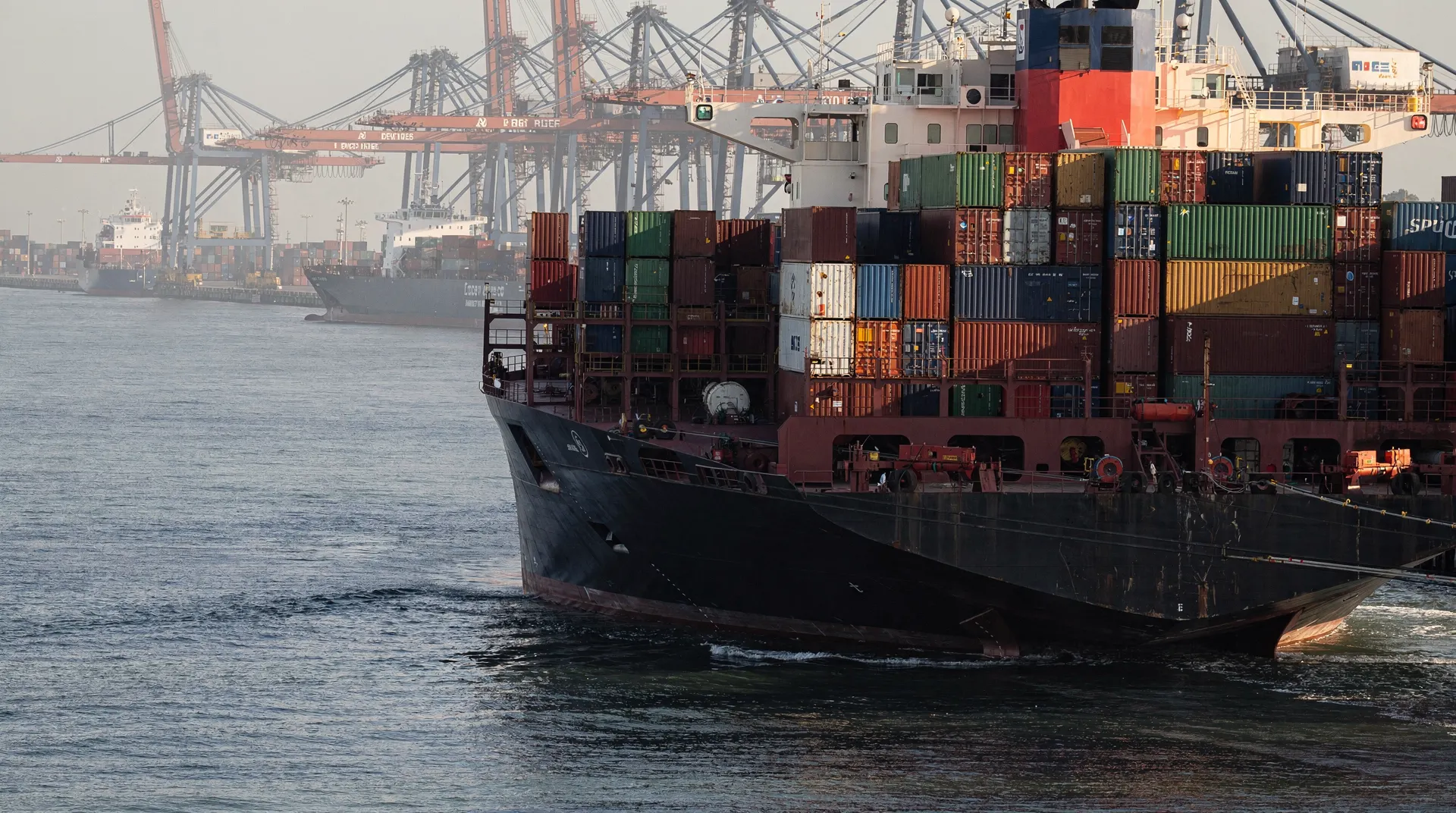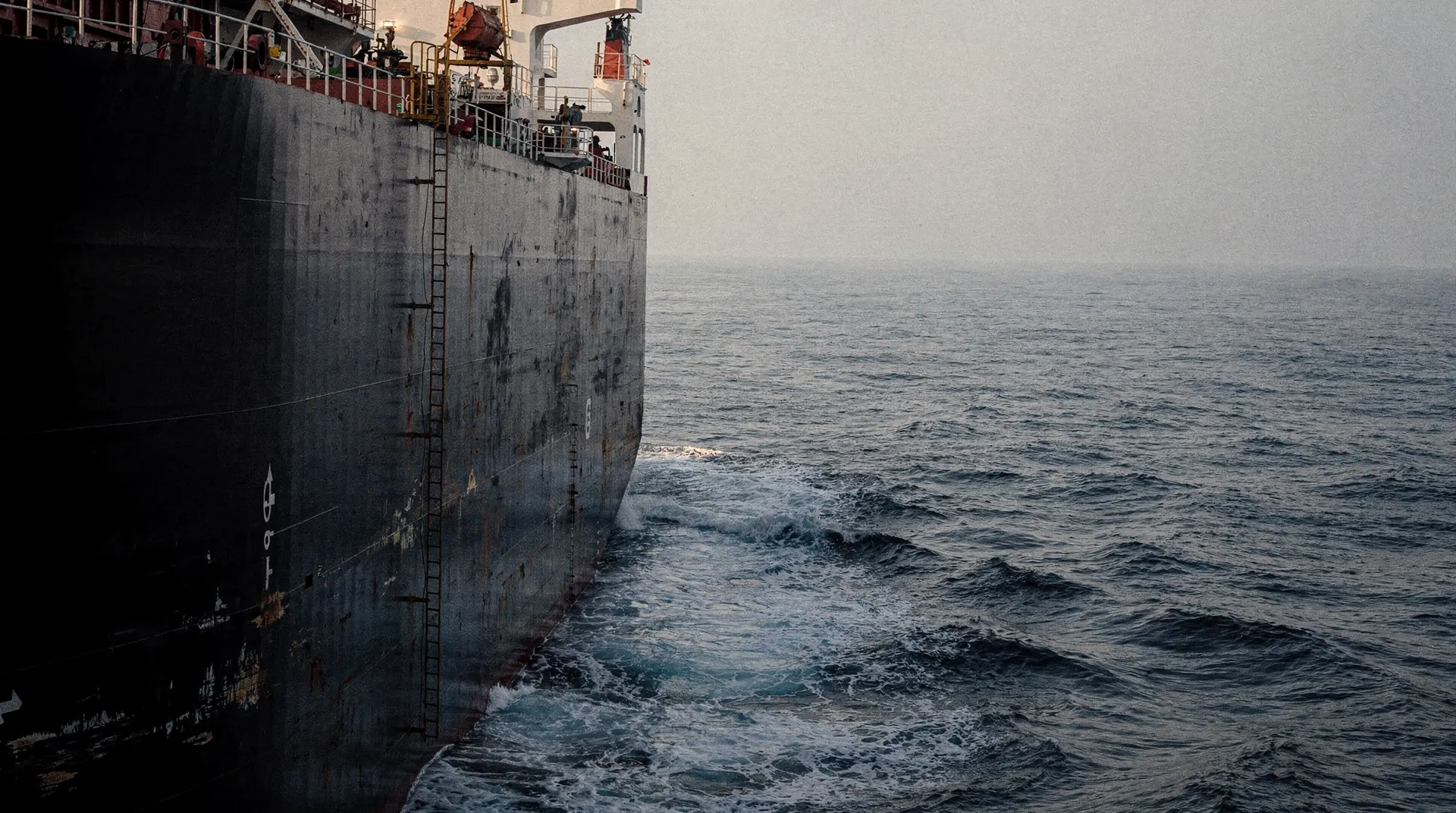
Gulf Tanker Damage Near Al Jubayl: What the Routing and War-Risk Records Show
A tanker master reported an October 16 strike 78 NM off Al Jubayl as Hormuz transits fell from 60 to 42 in one week. What the routing and war-risk records show.
Daily coverage · Weekly briefing Mondays · Sofia Almeida
Freight, ports, PMIs, inventories and trade policy. What is moving and what it costs when it lands.

A tanker master reported an October 16 strike 78 NM off Al Jubayl as Hormuz transits fell from 60 to 42 in one week. What the routing and war-risk records show.

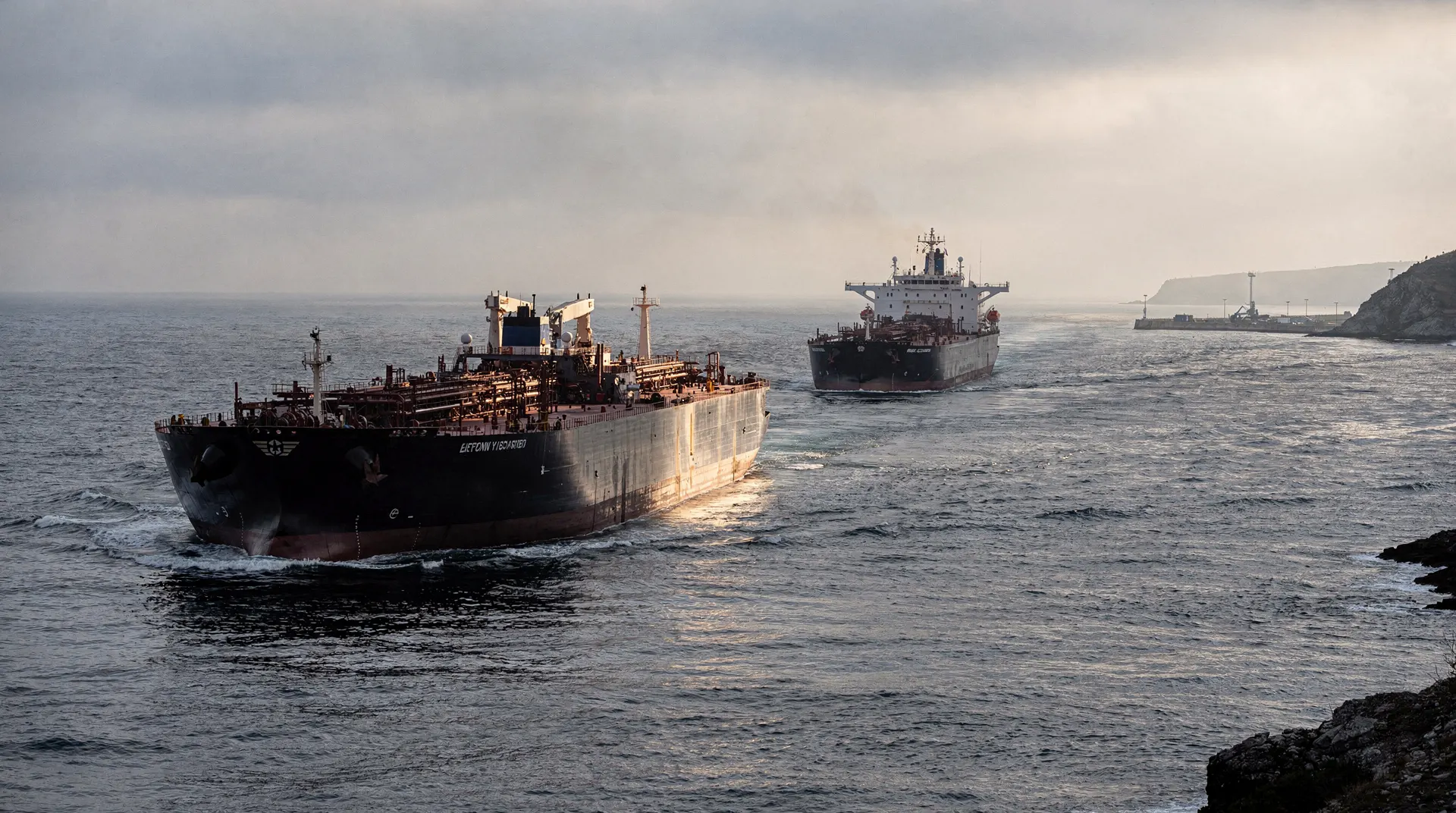
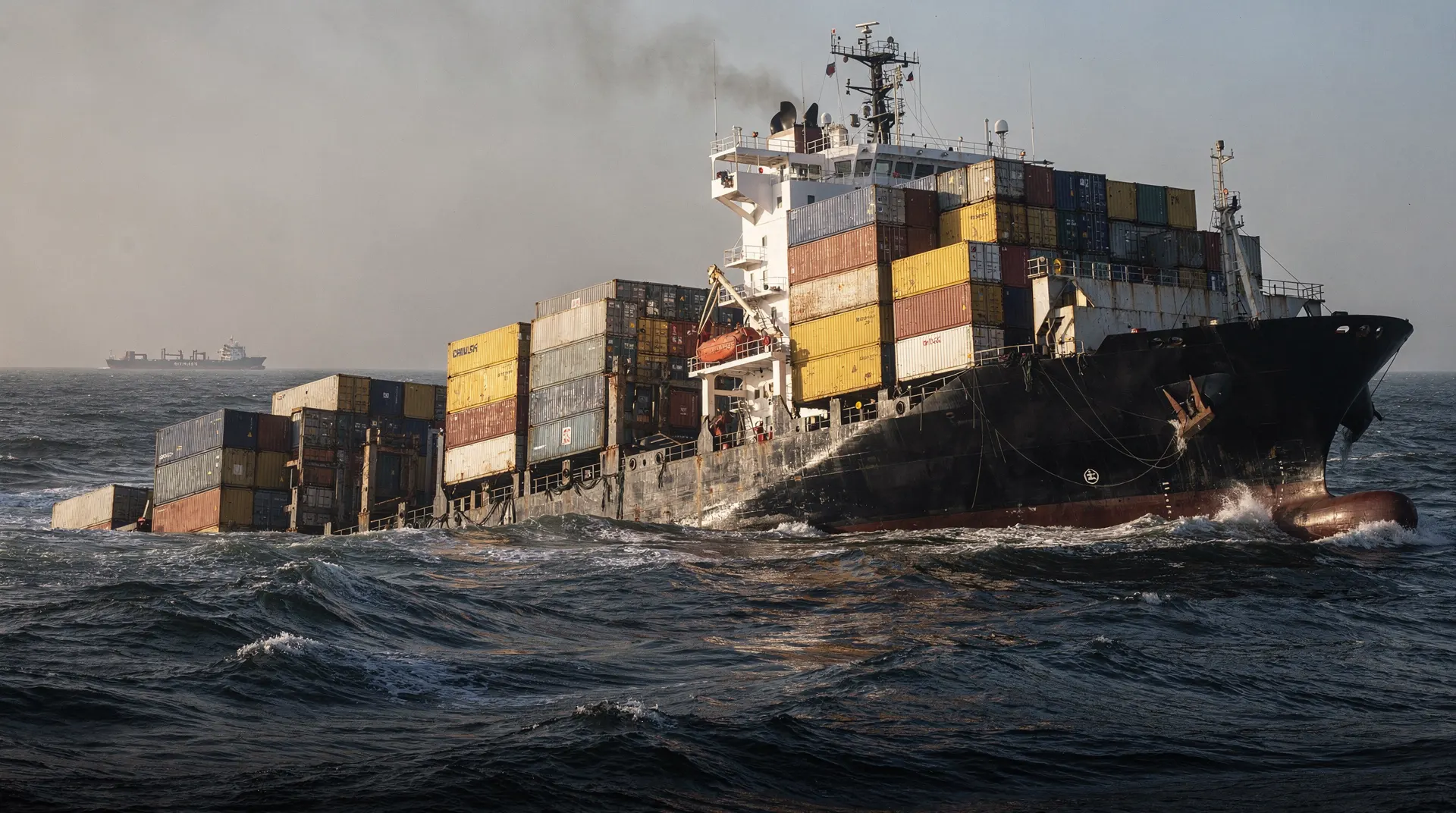
Two oil tankers hit mines in the Strait of Hormuz, Iran's IRGC says. Transit is already about a third below baseline as Brent touches $110.

The transpacific hit a fresh annual high at $7,884 per FEU on the Shanghai to Los Angeles lane in the week to October 15 even as Asia-Europe ended 13 weeks of decline, and carriers now try to hold October 19 FAK increases into a peak that is bending down the middle.

The Drewry World Container Index composite rose 3% to $4,485 per 40-foot container in week 42, led by Asia to Europe legs as Red Sea risk re-escalates, while transpacific pricing is mixed.

The total business inventories-to-sales ratio fell to 1.33 in August from 1.40 a year earlier as sales grew 10.2% while inventories added just 4.6%, a lean stocking pattern that sets up a freight restock. Merchant wholesalers are the tightest link at 1.18.

The Baltic Dry Index fell 4.78% to 2,667 on Oct 14, its eighth straight losing session and lowest since July 29, as capesize earnings crashed on softer Chinese iron ore demand.

Two container ships have been lost near the Strait of Hormuz, UKMTO logged five incidents in 48 hours, and oil hit a two-week high. Here is who pays: war-risk premia, rerouted loadings, and the pass-through into freight and fuel.

The container market split along route lines this week: Asia-Mediterranean rates climbed 7% to $3,800 per FEU even as Asia-US West Coast pricing dipped 2%, setting up the 2027 annual contract season against a re-escalating Red Sea risk.

Maersk raises its U.S. inland fuel surcharge by $75 to $215 per container from November 1, while the latest EIA weekly diesel print eased.

NFIB’s planned inventory balance reached net 2% in September, while actual stocks remained in drawdown. Census inventories and September sales on October 15 will test whether intentions are turning into goods movement.

Descartes counted 2,546,261 U.S. container imports in September, while transit delays increased at eight of the ten largest ports.

U.S. on-highway diesel fell 18.3 cents to $6.199 per gallon for the week of October 5, but fuel remains more than 60 cents above late August, leaving transport costs sensitive to each new move.