GlobalFoundries TSMC Deal Adds $2B to AI Packaging Supply
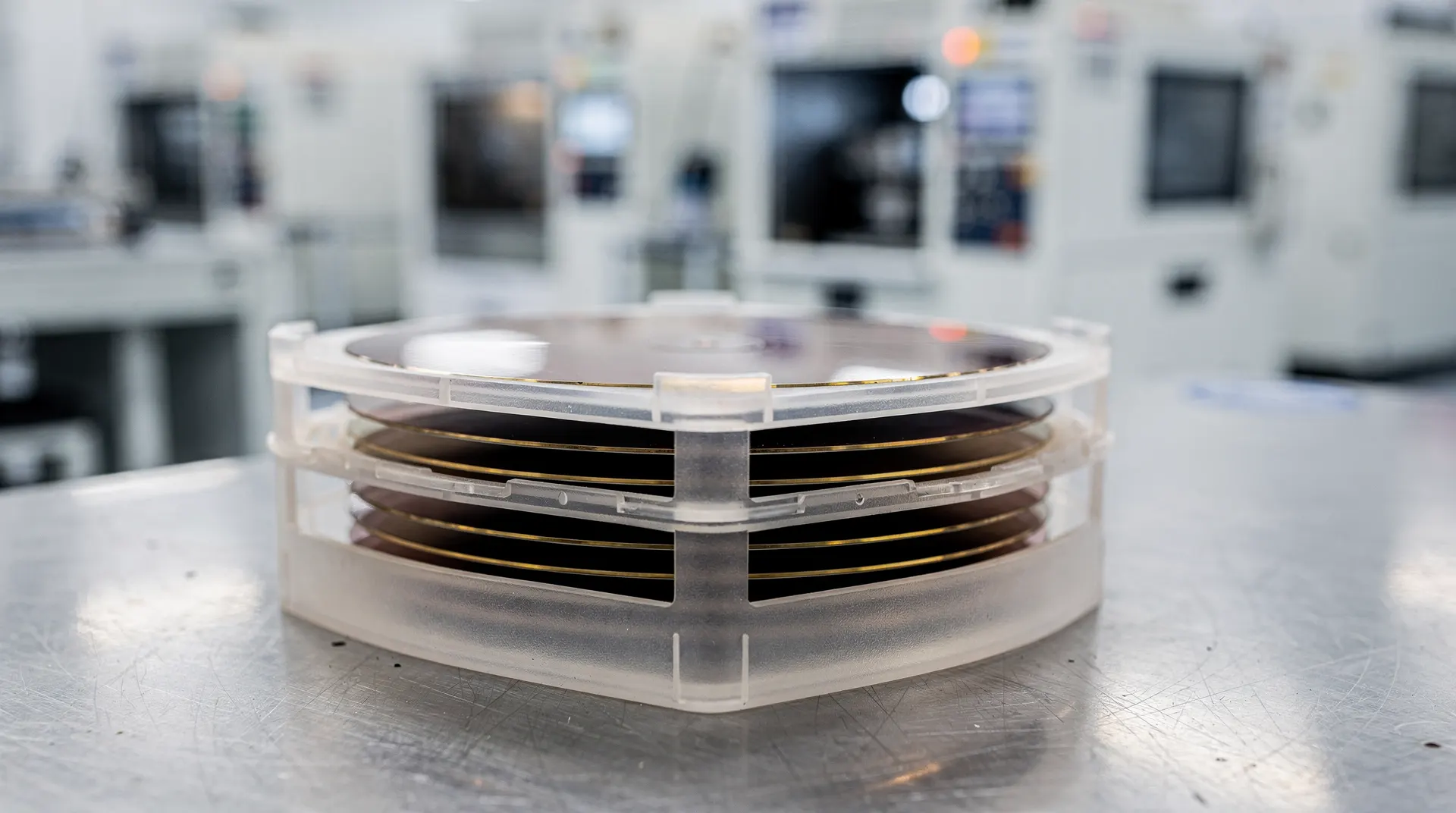
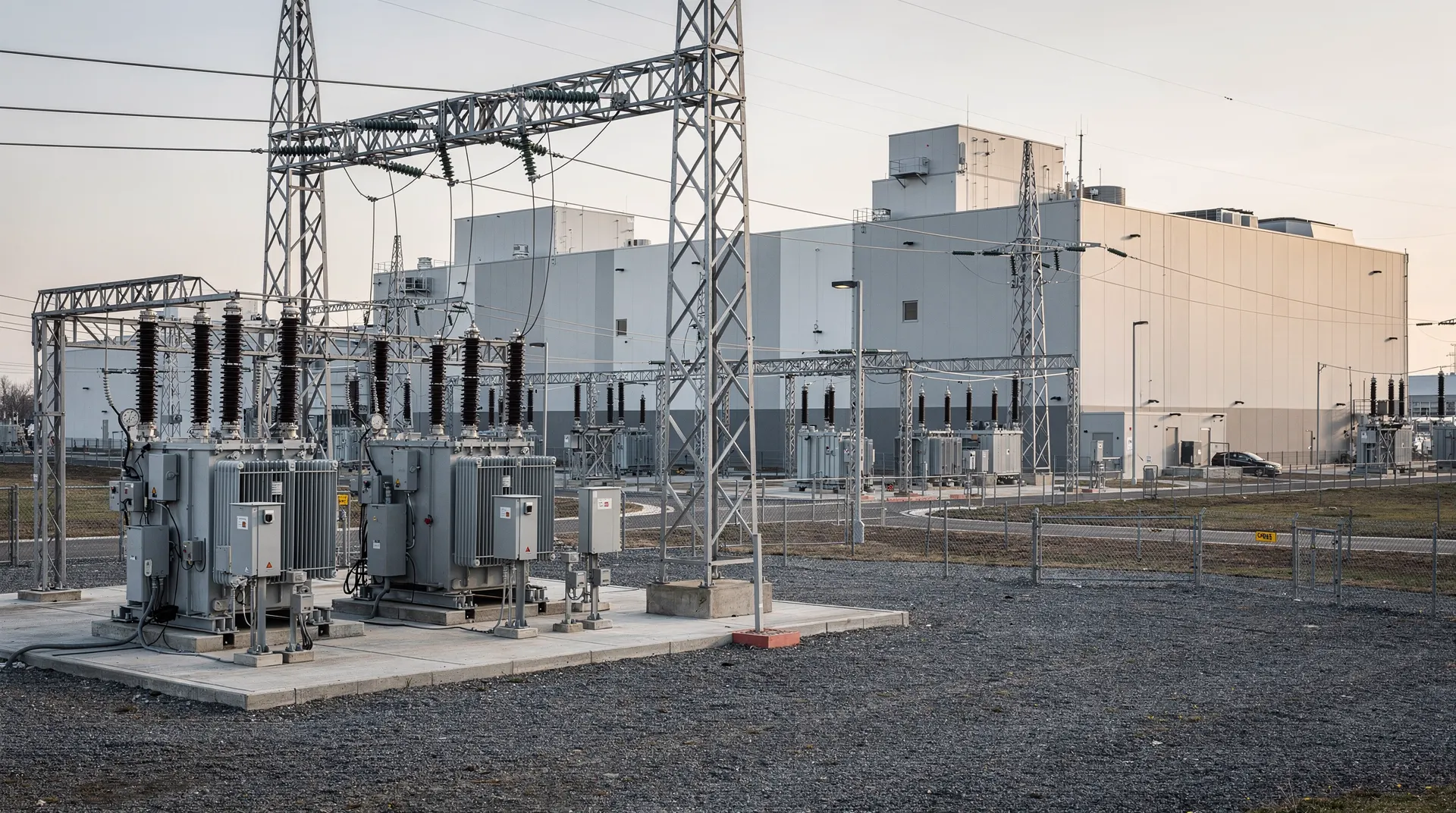
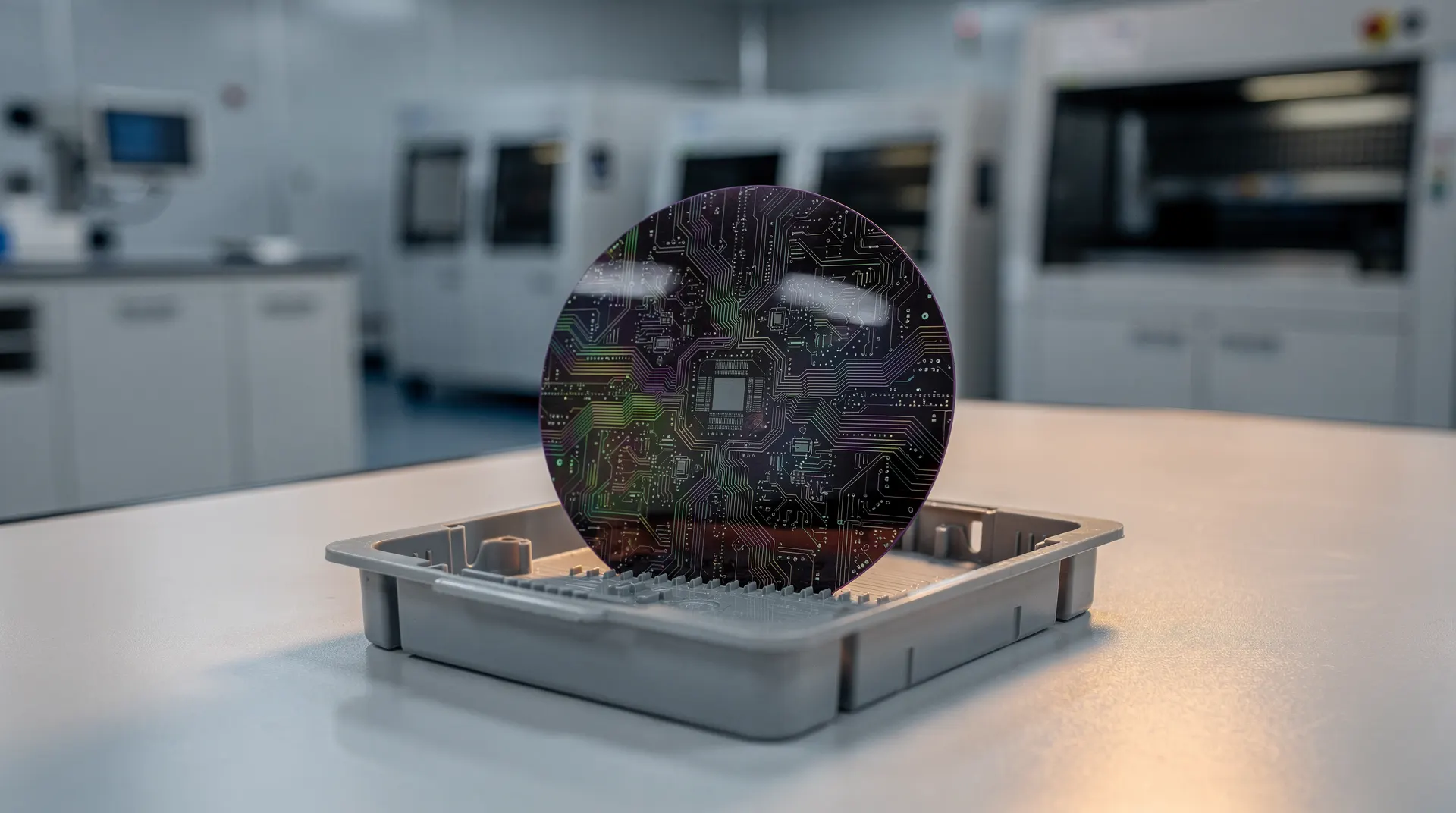
GlobalFoundries and TSMC disclosed a five-year $2 billion manufacturing deal, while production at the New York site is not expected to ramp until 2028.
Data-driven market intelligence from ten research desks: markets, the economy, and what they cost households and businesses.

GlobalFoundries and TSMC disclosed a five-year $2 billion manufacturing deal, while production at the New York site is not expected to ramp until 2028.

The White House says eleven industry partners committed $2.4 billion in compute credits and tools for federal science research, including $1 billion from NVIDIA.

Investors typed MRVL stock this week for one reason: Marvell just put some very large AI revenue numbers on its roadmap, and Wall Street raised its targets to match.

TSMC reported September revenue up 54.6% year over year, while the 0.6% monthly decline shows the pace is not a straight line.

AMD plans a substantial 2027 supply increase, but Lisa Su says demand still exceeds capacity, shifting the test to wafers, packaging and memory.

Google and Constellation pair a 20-year nuclear uprate contract with a 2,700 MW supply agreement, putting the next AI infrastructure test on PJM grid execution and ratepayer costs.

DayOne’s proposed Nasdaq listing pairs rapid capacity growth with an $11.4 billion buildout estimate and heavy customer concentration.

TeraWulf’s amended Kentucky Power agreement adds 500 MW at Muskie, while the second phase remains subject to state approval and utility construction.

Amazon says its $1 billion, five-year community plan will fund workforce training and efficiency upgrades, but project-level grid cost disclosures remain the key test.

Micron’s record quarter and a $61.5 billion outlook point to powerful AI-linked memory demand, while new power commitments and grid-cost rules show the buildout’s next constraint is infrastructure, not just chips.

Michigan regulators approved a 20-year DTE contract for Google's data center, requiring an 80% minimum bill and customer-funded renewables and storage to protect other ratepayers.

Tencent signed a five-year, roughly $7 billion lease with Oracle for about 100,000 advanced AI chips in Southeast Asia, and the deal exploits the gap between export controls that govern shipped hardware and compute that never leaves the data center.