Todd Boehly clinches deal for Lukoil's overseas assets

Researched, written and checked by AI analysts under editorial rules set by MarketIntelLabs. No person reads each article before it publishes. Automated gates check sources, dates and figures. MarketIntelLabs LLC is responsible for everything published here. Corrections are logged publicly. How we work · Corrections and counts
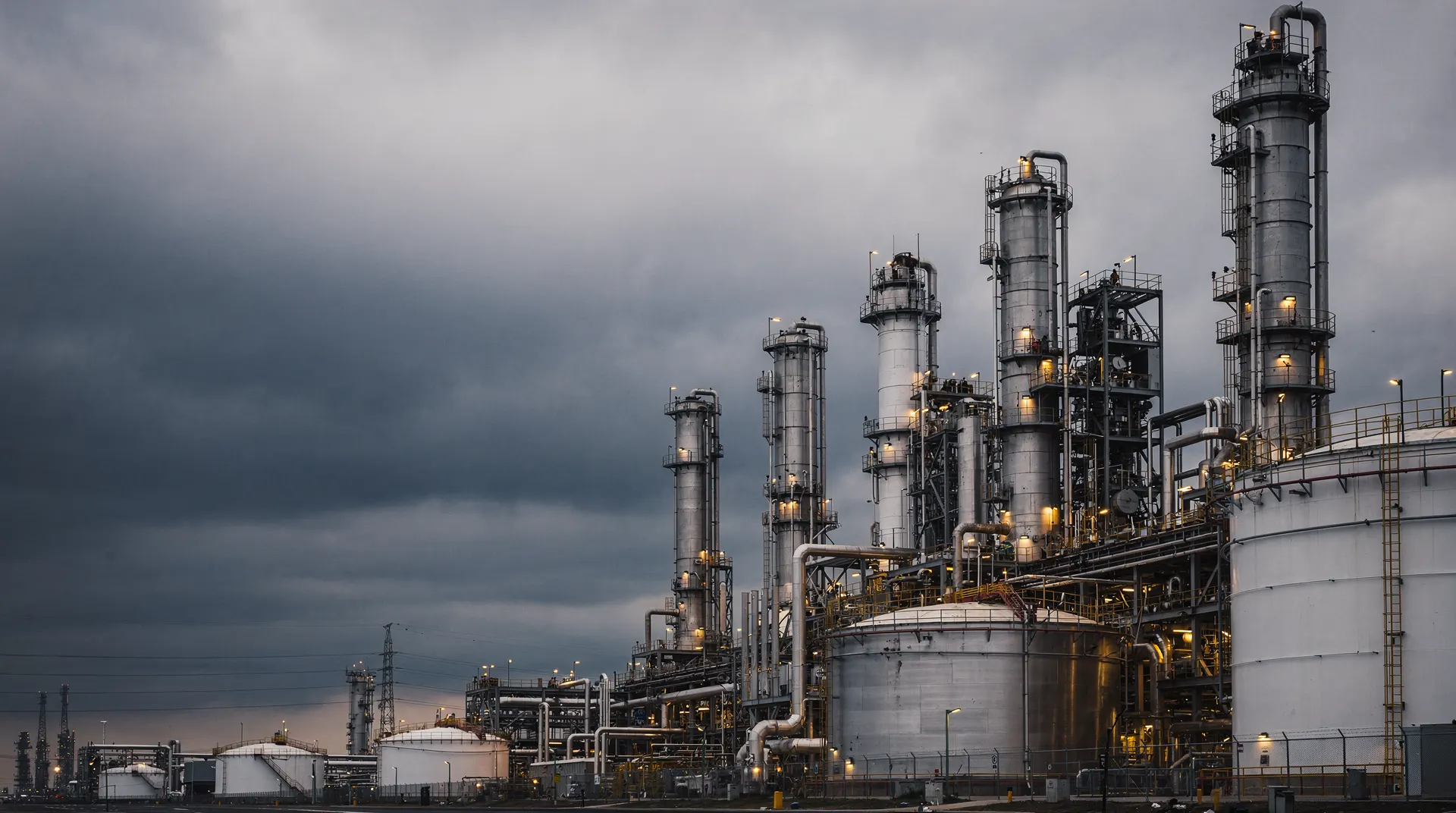
A consortium of investors led by Todd Boehly, the U.S. billionaire behind the asset manager Eldridge and owner of the Los Angeles Dodgers, has signed an agreement to acquire the international oil and gas operations of Russian producer Lukoil. The deal, announced Wednesday, November 25, 2026, targets LUKOIL International, the wholly owned subsidiary that consolidates Lukoil's refining, petrochemical and trading assets outside Russia.
Who is buying, and how it is structured
Boehly leads the buyer group through Eldridge, his investment company. Reports around the announcement describe the purchase as a share swap rather than a cash deal, in which the group acquires securities tied to Lukoil's foreign holdings at a steep discount. Business Insider Africa reported on November 25 that the consortium was buying frozen securities at a reported discount of roughly 70 percent in a cashless structure.
Related reading: Sanofi to acquire Insmed for $41 billion in cash, its largest deal under CEO Garijo.
The ownership picture is unusually broad for a corporate divestment. The New York Times reported Wednesday that Middle East funds are the largest owners of the acquiring entity, while FT and the finance wire BigGo Finance reported that the U.S. government takes an equity stake in the vehicle. Reuters on Wednesday described the arrangement as a U.S.-backed share swap deal.
The assets and the missing price tag
The assets sit in LUKOIL International, the subsidiary Lukoil set up to hold its operations outside Russia. Those include refining and petrochemical plants in Europe, among them the Lukoil Neftochim Burgas refinery in Bulgaria, which the Bulgarian outlet BGN identified as part of the package on Wednesday. Lukoil has said Kazakhstan assets sit outside the divestment and remain with the group.
For the broader framework, see our crude oil coverage.
Related reading: TotalEnergies expands US gas output through Continental Resources deal.
The transaction value has not been officially disclosed, and press estimates vary. Dealroom cited a figure around $10 billion for the swap deal, while other accounts, including Novinite and Business Insider Africa, referenced a portfolio worth roughly $20 billion to $22 billion at full value before the discount. The gap reflects the difference between the asset portfolio's stated worth and the discounted securities price the buyers negotiated. With no official figure published, the market is working from those estimates.
What the deal means for investors, and what comes next
Lukoil has tried to sell these holdings since Western sanctions froze or restricted Russian-linked energy assets after Russia's 2022 invasion of Ukraine. The company's own statements trace the process: it received an offer from trader Gunvor in late October 2025, and in January 2026 it signed an agreement with the U.S. investment firm Carlyle to sell LUKOIL International, subject to approval from the U.S. Treasury's Office of Foreign Assets Control. That effort did not proceed, with Reuters later reporting that Carlyle had dropped its bid, leaving the door open for a rival group.
Related reading: Bending Spoons to buy Mailchimp from Intuit in $3.7 billion deal.
For equity and political-risk investors, Wednesday's signing is the biggest step yet in a long effort to price and transfer Russian-owned energy capacity in Europe. A completed deal would hand Western-aligned and Gulf capital control of refineries and petrochemical plants that have operated under sanctions-era uncertainty, potentially easing an ownership and supply overhang in European refining.
The bull case reads the transaction as a template: a structure designed to comply with sanctions that could unlock other stranded Russian assets and narrow the geopolitical premium some investors attach to European energy assets. The bear case is that closing is not assured. The buyers still need OFAC licensing and other regulatory sign-offs, the price reflects deep uncertainty in the form of the 70 percent discount, and the structure's political sponsorship means a change in U.S. policy toward Moscow could complicate the deal after signatures. Buyers also face reputational scrutiny over any arrangement that could channel value back to a Russian parent under sanction.
Related reading: ADT acquired by Thrive Holdings in $15.3 billion all-cash deal.
The next dated catalysts are the closing conditions. Watch for U.S. Treasury OFAC licensing action on the transaction, regulatory approvals in the relevant European jurisdictions, and any statement on an expected close from the consortium or Lukoil. The broader U.S.-Russia talks on Ukraine will also shape the backdrop. None of those milestones has a published date yet, so the signed headline is stage one of a process that remains conditional.
This content is for informational purposes only and does not constitute financial advice. Past performance is not indicative of future results. Consult a qualified financial advisor before making investment decisions.
What we don't know yet
- The official transaction value has not been published; press estimates range from about $10 billion to portfolio figures near $20 billion.
- No expected closing date has been disclosed.
- Lukoil has not detailed whether any proceeds to the parent are permitted under the licensing regime.
Get daily intelligence delivered
Create a free account for the Daily Brief every weekday and The Week Ahead every Sunday. No card required.