ADT acquired by Thrive Holdings in $15.3 billion all-cash deal

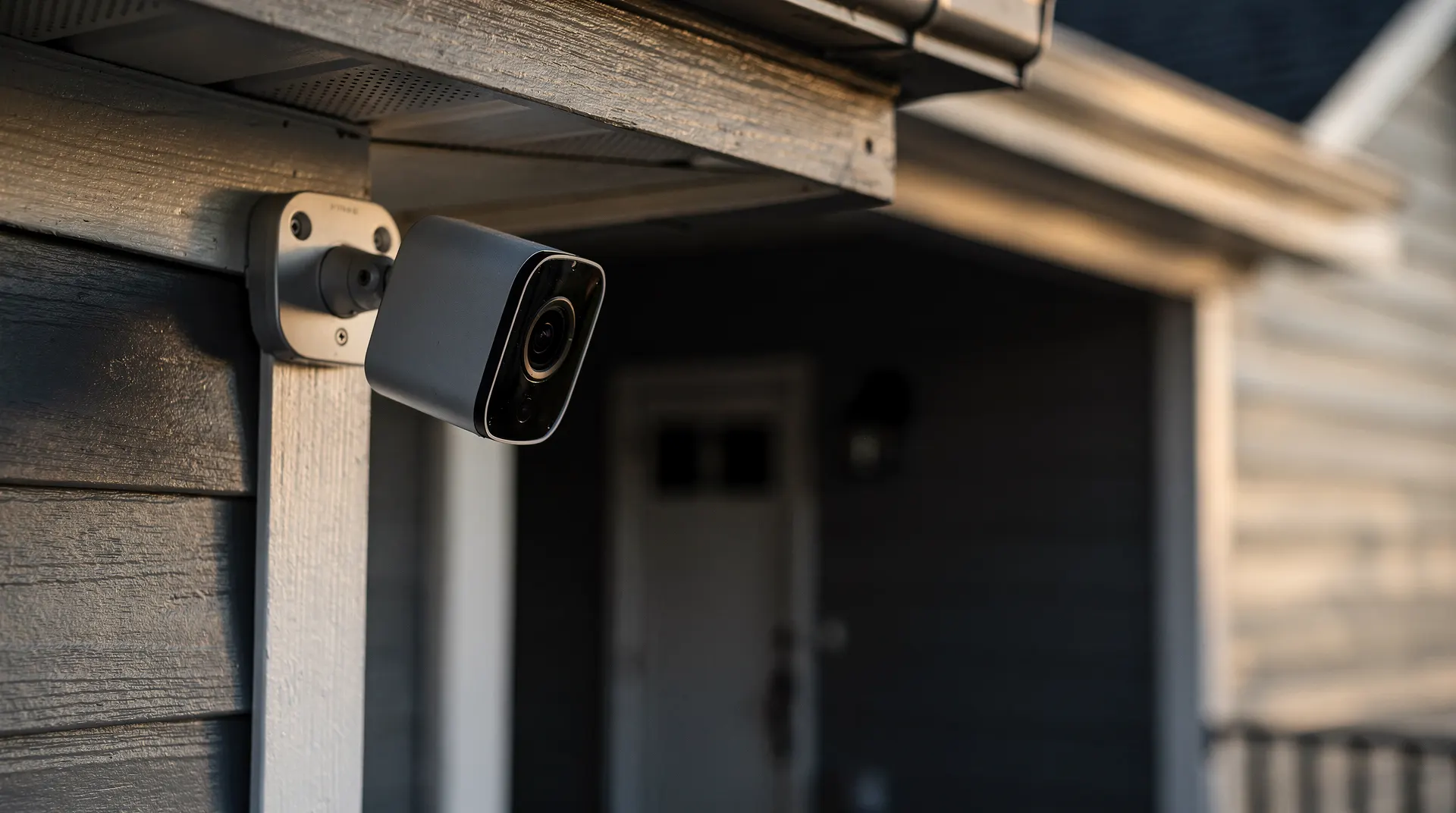
ADT is leaving the public market at a 45.6% premium. ADT Inc. and Thrive Holdings announced Thursday a definitive agreement under which Thrive will acquire the residential security and smart-home leader in an all-cash transaction, an offer that values the company at about $15.3 billion. Stockholders receive $10.00 per share in cash.
The offer prices ADT well above where the stock has been trading. The $10.00 per-share consideration is a 45.6% premium to ADT's unaffected closing price of $6.87 on October 27 and a 52.1% premium to the 30-day volume-weighted average price that ended that day, according to the company's announcement. ADT's board unanimously approved the agreement, and both sides said the transaction should complete in the first quarter of 2027, with ADT becoming a private company afterward. The agreement is subject to ADT stockholder approval and U.S. antitrust clearance, and it is not subject to a financing condition.
Related reading: Schneider Electric to buy PTC for $22.6 billion in record all-cash deal.
Two numbers, one deal
That headline value of $15.3 billion deserves a closer look, because the figure that drives the arithmetic is closer to $7.6 billion. Enterprise value equals equity value plus the net debt a buyer steps into, and ADT has carried a heavy borrowing load through its shift to a subscription-first monitoring model. The roughly $7.7 billion gap between the two figures is the debt the new owner assumes or refinances, which is one reason the premium on the equity, not the enterprise sticker, is where a fairness assessment starts.
Permanent capital in a higher-rate world
What stands out structurally is who is paying for the buyout and at what cost of capital. Financing commitments come solely from funds managed by affiliates of Apollo Global Management, and because the agreement carries no financing condition, the money is effectively lined up before the vote proceeds. Thrive describes itself as a permanent capital holding company, able to hold assets far longer than the three-to-seven-year horizons typical of a private equity fund. That positioning matters most in a rate environment that has not cooperated: the Federal Reserve held its target range at 3.75% to 4.00% on October 28, keeping the cost of the borrow-and-buy structure elevated.
Related reading: IonQ Stock Falls on $1.3B Elisity All-Stock Deal.
The bull case for taking ADT private rests on time and patience. Out of the public markets, the security business can invest in hardware, installation and service without managing to a quarterly earnings call or watching a multiple on slow-growing subscription revenue. Permanent capital also removes the pressure to refinance against a fixed fund deadline, and the quarterly-reporting treadmill disappears for the operating team. On top of that, at $10.00 a share the premium is large enough that index funds and arbitrageurs that track the name face a clear cash exit rather than a drawn-out process.
The bear case is about debt service and execution. If rates stay at 3.75% to 4.00% or climb, the interest bill on the acquisition financing presses on a security industry whose margins already face DIY competition from smart-home rivals, cheaper camera hardware and subscriber churn. The deal must also clear a stockholder vote and U.S. antitrust review before the first-quarter close, and either step can stretch or derail a timeline. Regulators have been willing to press consolidation in adjacent consumer-facing markets, so clearance is not a foregone conclusion.
Related reading: Emera Canadian Utilities Merger: A C$14.3B All-Share Deal Forms a Top-20 Utility.
The larger question for the sector is whether ADT becomes a template. ADT produces exactly the kind of recurring, contract-backed revenue that private buyers prize: sticky monthly monitoring subscriptions, an installed base and steady cash flow. Other mid-cap security and smart-home operators share some of those characteristics, and this year's tape has rewarded growth names while cash-flowing compounders drift. If Apollo-backed permanent capital is willing to pay 45% premiums while the Fed funds rate sits at 3.75% to 4.00%, shareholders of comparable operators may start asking why their own multiples do not already reflect a buyout bid.
What to watch from here is the sequence, not the announcement. The stockholder vote needs a date and a clear path, and the antitrust review needs to conclude, ideally without conditions. Each step that passes reinforces the first-quarter close and, with it, the price at which that 45.6% premium was accepted. Until then, the market will keep pricing each milestone as it lands.
Related reading: SpaceX stock falls 9% to $144.75 as AI capex bill and Tesla merger talk weigh.
This content is for informational purposes only and does not constitute financial advice. Past performance is not indicative of future results. Consult a qualified financial advisor before making investment decisions.
Get daily intelligence delivered
Create a free account for the Daily Brief every weekday and The Week Ahead every Sunday. No card required.