Emera Canadian Utilities Merger: A C$14.3B All-Share Deal Forms a Top-20 Utility

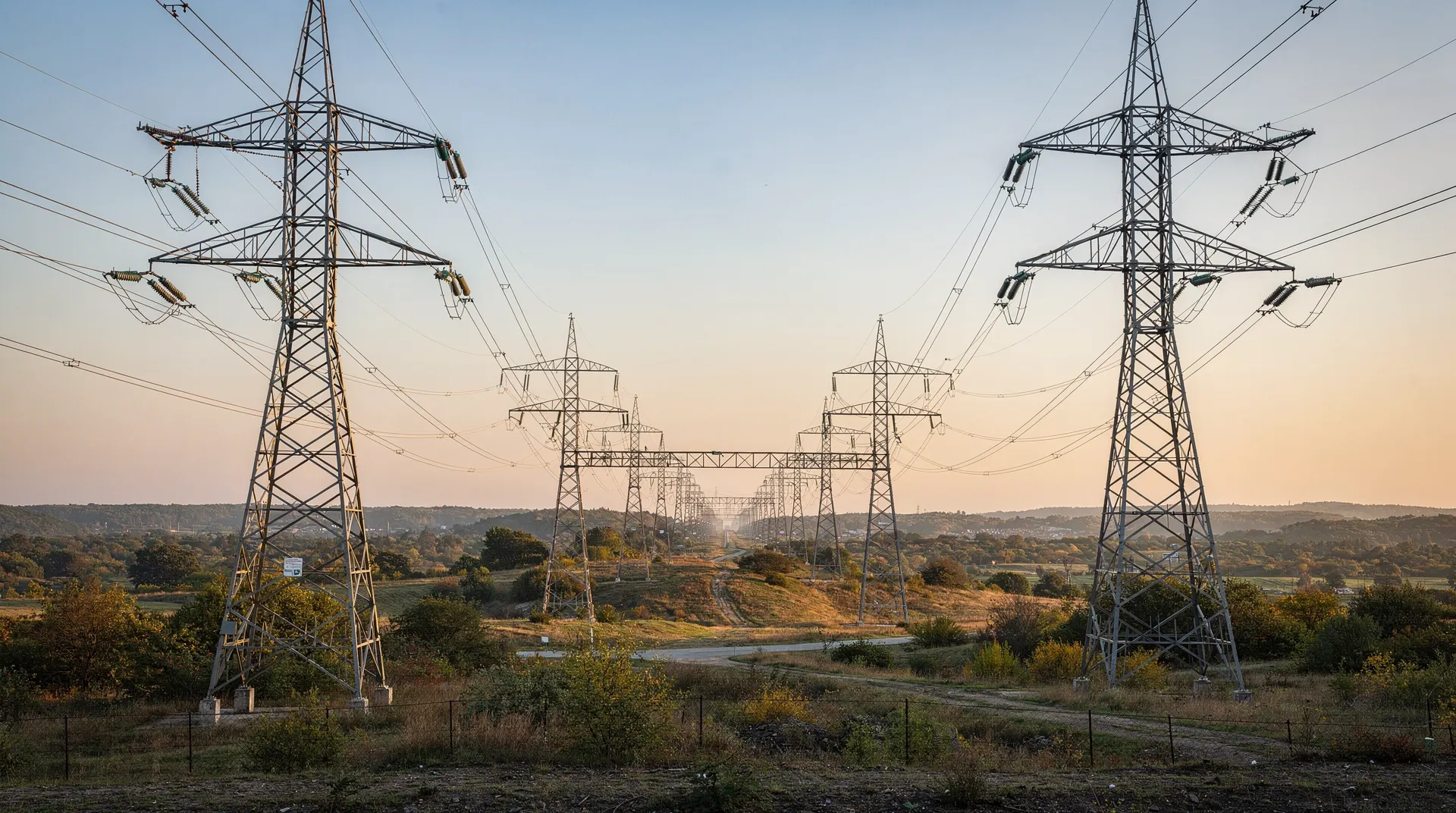
Two Canadian utilities are consolidating into the largest domestic merger in the country's history, and the deal reads as a bet on capital intensity rather than near-term rate relief. Emera (EMA, Toronto) agreed on October 6 to acquire all outstanding Canadian Utilities shares (CU, Toronto) in an all-share transaction valued at roughly C$14.3 billion, about US$10.5 billion, according to the companies' joint release. Structure matters here as much as size: this is a merger of equals that will form a Top-20 North American utility with approximately C$72 billion in combined enterprise value, about C$45 billion in rate base and close to 6 million customers across Canada, the United States and international markets.
The thesis behind the transaction is straightforward. Regulated utilities earn a return on the capital they put to work, so scale has become the competitive currency across the sector. A broader rate base lets a company fund transmission, electrification and export infrastructure while smoothing the construction risk each project carries.
Related reading: Schneider Electric to buy PTC for $22.6 billion in record all-cash deal.
That is the lens through which this deal should be read. The combined platform expects to run an approximately C$32 billion capital plan through 2030, which the companies project will support average annual rate-base growth of roughly 7-8%. In a rate environment where that compounded growth has become the primary variable in regulated-utility earnings, the combined footprint buys visibility that either company lacked alone.
Who gains from the structure says a lot about how the companies chose to spread the consideration. Canadian Utilities shareholders receive Emera voting shares plus governance in a larger, more geographically diversified entity, an exit from a smaller single-company exposure into a platform spanning two of the fastest-growing electricity markets in Canada. ATCO shareowners, the parent of Canadian Utilities, are positioned differently: they receive shares of both the combined company and a newly formed New ATCO, which keeps the parent's non-utility and infrastructure assets in a separate vehicle. That split is an attempt to let markets value the regulated utility business and the parent's other holdings on their own terms, a structure investors tend to reward when the conglomerate discount has been the sticking point.
Related reading: Bloom Energy Tops $1B as AI Data Centers Drive Rotation.
Geographically, the deal concentrates utilities across Alberta, one of the highest-growth provinces for electricity demand, under the same roof as Emera's Tampa-based United States operations. That pairing is the strategic logic in a sentence: growth in western Canada funded and diversified by a regulated North American base. For the sector, the merger is a clear read on consolidation momentum in North American utilities. Deal activity has been building as companies hunt rate base and capability rather than rely on organic construction alone, and this is the largest all-Canadian transaction on record, a signal that the two boards saw more value in scale than in staying independent.
The near-term household read is worth stating plainly. Electricity and gas delivery is a regulated business, and consolidation here is about scale to finance transmission, electrification and export infrastructure, not about retail rate relief in the next cycle. Rate cases will still be decided by regulators on the merits. What changes is the balance sheet behind the infrastructure that reaches homes, and that is a slower-burning story than the headline deal value suggests.
Related reading: CPI Day Tests a Two-Session Tech Pullback as Energy Leads.
The dated catalysts are approvals. The transaction needs shareholder, court and regulatory sign-offs, with the parties targeting close in the second half of 2027. That window leaves room for regulatory scrutiny on both sides of the border and for the structure to be tested in the review process.
The risks are the standard ones for a deal of this size: integration execution, regulatory conditions, and timing of approvals slipping beyond the target. On the other side, the 7-8% projected rate-base growth is the number to watch. It is the measure of whether the combined scale translates into the earnings trajectory the boards are pricing.
Related reading: Utilities lead rotation as the S&P caps at 7,670 into quarter-end.
For investors, this is a sector-structure story first and a stock story second. The consolidating utility space rewards whoever can compound rate base and earn on allowed returns, and this deal is one of the largest expressions of that logic yet. Whether the combined entity delivers the projected growth will depend on regulators approving the capital plan and the companies integrating two large operating footprints without stumble. The vote, the court hearings and the regulator reviews over the next year are the milestones that will tell the story, and the second-half-2027 close is the line in the sand.
This content is for informational purposes only and does not constitute financial advice. Past performance is not indicative of future results. Consult a qualified financial advisor before making investment decisions.
Sources
Emera, Canadian Utilities and ATCO joint press release (CNW, October 6, 2026)
Bloomberg: Emera to Buy Canadian Utilities in C$14.3 Billion Deal (October 6, 2026)
Get daily intelligence delivered
Create a free account for the Daily Brief every weekday and The Week Ahead every Sunday. No card required.