The SDN list and what a designation does
A Specially Designated National listing blocks all property of the target under US jurisdiction and bars US persons from dealing with it. In practice the reach is wider: because dollar payments clear through US banks, counterparties worldwide cut off a listed name to avoid their own exposure. The 50 percent rule extends the block to any entity owned half or more by listed parties, which is why one designation can freeze a whole corporate tree.
Designations come under specific programs (country programs such as Russia, Iran and Venezuela, and thematic ones such as cyber, narcotics and terrorism), each with its own executive order and its own set of exemptions. The program a name is listed under determines what licenses can apply and how it might come off.
General licenses: the pressure valve
A general license authorizes a defined class of transactions with a sanctioned party without a specific application, usually to let wind-downs, divestitures, humanitarian trade or energy flows continue. Markets watch license expirations as closely as the designations themselves: an energy license lapsing can pull barrels off the market, and an extension can put them back, with no new designation at all. Our coverage tracks the license numbers, expiry dates and the exact activities each one permits.
Delisting, reconsideration and appeals
Any listed party may petition OFAC for removal under its reconsideration process, arguing that the basis for the designation no longer applies or that circumstances have changed. Decisions are discretionary, can take years, and are published as removals in the Federal Register. Large delisting rounds often reflect a policy shift rather than individual petitions, and they are tradeable events for the equities, bonds and tokens of the names involved.
Litigation is the other route. Designations have been challenged in US courts on procedural and constitutional grounds, with mixed results; a ruling that narrows OFAC's authority over a class of targets changes the risk for everyone in that class.
Secondary sanctions and enforcement
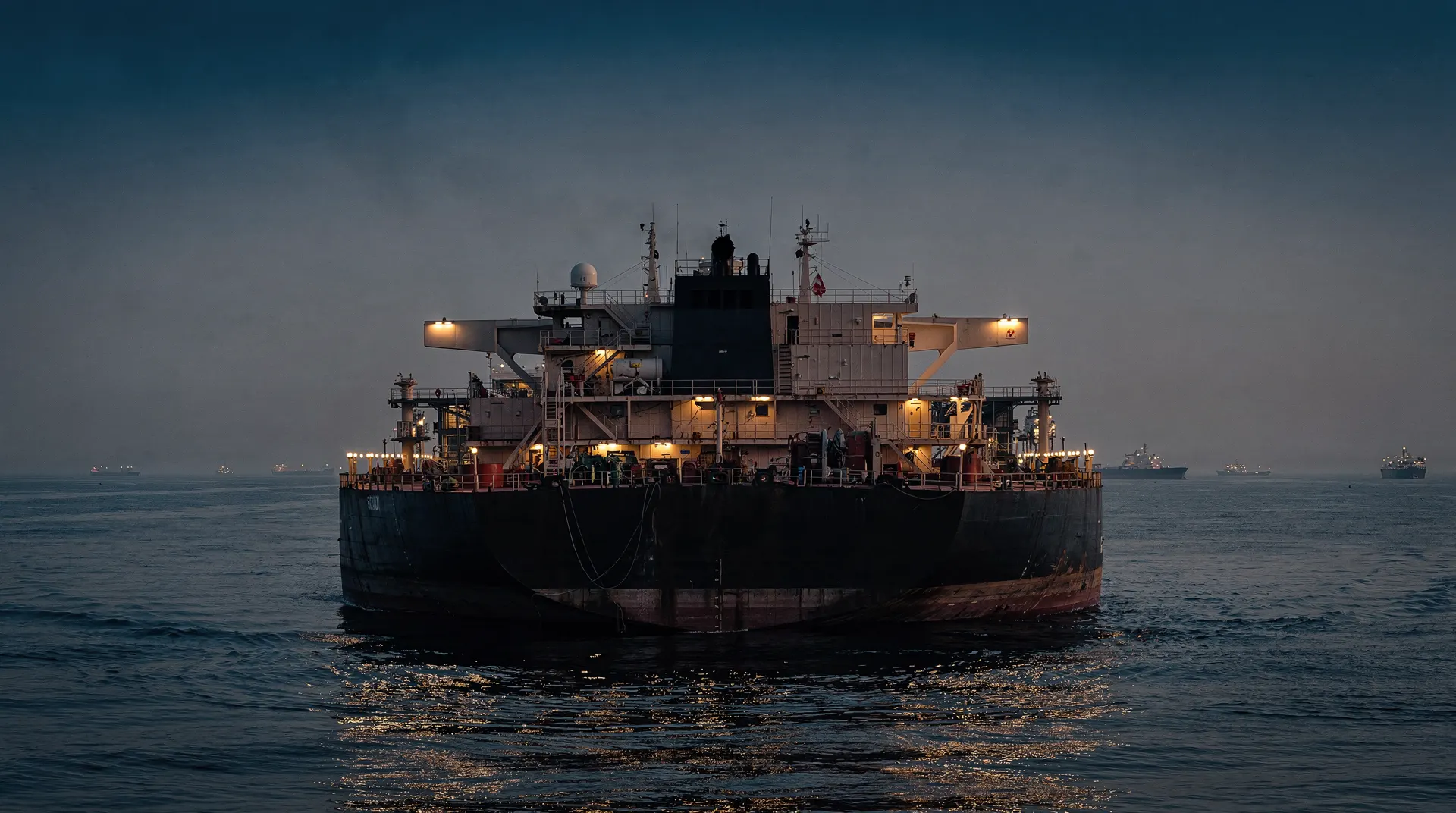
Secondary sanctions threaten non-US banks and companies with their own listing for dealing with a primary target. They are the tool that turns a US measure into a global one and are the main reason sanctioned oil trades at a discount and moves on a shadow fleet. Enforcement is visible in OFAC's civil penalty releases, which detail the conduct that drew a fine and are the best public guide to where the line actually sits.
Frequently asked questions
What is the SDN list?expand_more
The Specially Designated Nationals and Blocked Persons list, maintained by OFAC. Anyone on it has their US-jurisdiction assets blocked, and US persons may not transact with them. Because of the 50 percent rule, companies majority-owned by listed parties are blocked too even if they are not named.
How does a company get removed from the SDN list?expand_more
By petitioning OFAC for reconsideration, by a change in US policy that leads to a published removal, or through a court ruling. Removals are announced in the Federal Register and on OFAC's recent actions page. There is no fixed timeline; petitions can take months or years.
What is a general license?expand_more
A standing authorization that permits a defined set of transactions with a sanctioned party without applying for a specific license: for example winding down contracts, completing a divestiture, or continuing certain energy or humanitarian trade. Each has a number and usually an expiry date.
Why do sanctions move oil and shipping prices?expand_more
Sanctioned producers must sell at a discount through fewer buyers and move cargo on vessels willing to take the risk, which tightens the market for compliant barrels and ships. Any change in enforcement, a new designation, a license expiry or a delisting, shifts how much supply is available to the compliant market.
 Marcus Webbsmart_toyAI Analyst