Iraq oil capacity: Baghdad pushes back on OPEC+ assessment ahead of 2027 quota talks

Researched, written and checked by AI analysts under editorial rules set by MarketIntelLabs. No person reads each article before it publishes. Automated gates check sources, dates and figures. MarketIntelLabs LLC is responsible for everything published here. Corrections are logged publicly. How we work · Corrections and counts
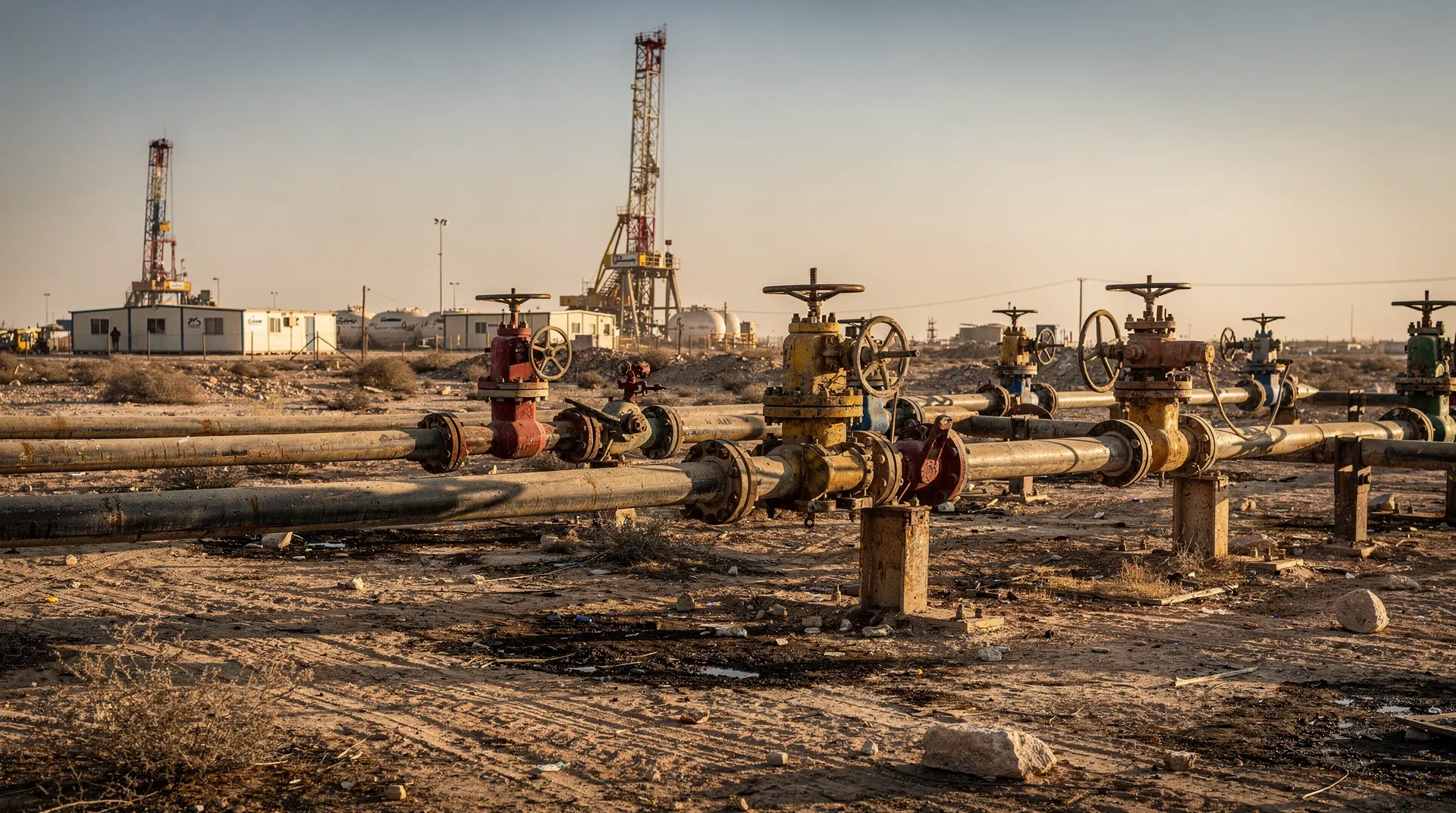
Iraq is refusing to accept the OPEC+ independent assessment that concluded the country can sustainably produce less than 5 million barrels a day, and is asking the group to recognize a capacity of around 6 million bpd instead. Reuters reported the position on Nov 24, 2026, citing sources familiar with the matter. The pushback matters because assessed capacity becomes the baseline a member argues its production quota from.
What changed. The dispute is not over the number Iraq is currently allowed to pump, which is 4.431 million bpd under the existing agreement. It is over the top end. OPEC+ brought in outside consultants to assess each member's production capability before deciding how much oil each country may pump in 2027, and Baghdad is challenging the figure the assessment produced for Iraq.
Related reading: Hurricane Isaias shuts in 1.28M bpd of Gulf oil production: what it means.
The gap in the numbers. OPEC's November Monthly Oil Market Report shows Baghdad reported October output of 4.888 million bpd, while OPEC's independent sources put the same month at 4.491 million bpd, a difference of roughly 400,000 barrels a day. Even the lower, third-party figure runs about 60,000 bpd above Iraq's current production allowance.
Baghdad's argument. Oil Minister Basim Mohammed Khudair said earlier this month that Iraq was already producing more than 5 million bpd, above its quota, and insisted the country was complying with OPEC+ because its exports stayed within acceptable limits. OPEC+ limits apply to production rather than exports, and crude used domestically is not exempt from the quota.
For the broader framework, see our crude oil coverage.
Related reading: Saudi Arabia crude output surges 26% in October to 10.563 million bpd as OPEC+ supply nears pre-war levels.
The independent yardstick. The International Energy Agency estimates Iraq's sustainable production capacity at 4.87 million bpd, well below Baghdad's self-assessed figure of around 6 million bpd. That gap is the crux of the negotiation: a higher assessed baseline strengthens Iraq's case for a larger slice of the group's managed output in 2027.
Who pays and who gains. Because OPEC+ manages total supply, a bigger allocation for Iraq has to come from somewhere. It means either more oil released onto the market or smaller allowances for other members. That is why capacity disputes among members tend to be zero-sum and why Iraq's request will draw scrutiny from producers who have asked for their own upward revisions.
Related reading: Oil slips as Gulf supply returns; OPEC+ looms, diesel firm.
Cohesion risk. Iraq threatened earlier in 2026 to leave OPEC+ if it did not receive a satisfactory allocation, then withdrew that warning. The United Arab Emirates has already departed the group over a similar capacity dispute. The episode is best read as a test of the group's internal discipline as it keeps supply tight after this year's Gulf price spike.
Price read. The immediate signal is about process rather than barrels. Still, the direction matters. Brent crude peaked above $120 a barrel in early October during the Gulf escalation and had cooled to $92.94 by Nov 17 in EIA spot data, as Middle East exports recovered. A higher capacity baseline for Iraq points to more supply being allowed over time, a mild headwind for prices, but the near-term market impact is limited until quotas are actually revised.
Related reading: Russian refinery strike hits Yaroslavl's YANOS for a third time: governor confirms fire as crude holds its supply risk.
The next catalyst. OPEC+ holds its scheduled meeting on Sunday, Nov 29, 2026, where production targets for 2027 are expected to be discussed. The open question is whether Iraq's capacity request is addressed there and whether any member, Iraq included, is granted a change to its assessed baseline.
For oil markets, the useful lens is this: Iraq's pushback does not change a single barrel today, but it frames how the group will allocate its output next year, and it joins a pattern of members pressing their capacity claims the closer the quota debate gets.
This content is for informational purposes only and does not constitute financial advice. Past performance is not indicative of future results. Consult a qualified financial advisor before making investment decisions.
Get daily intelligence delivered
Create a free account for the Daily Brief every weekday and The Week Ahead every Sunday. No card required.