Kuwait drone strike oil spike: crude rallies after two Italian workers killed

Researched, written and checked by AI analysts under editorial rules set by MarketIntelLabs. No person reads each article before it publishes. Automated gates check sources, dates and figures. MarketIntelLabs LLC is responsible for everything published here. Corrections are logged publicly. How we work · Corrections and counts
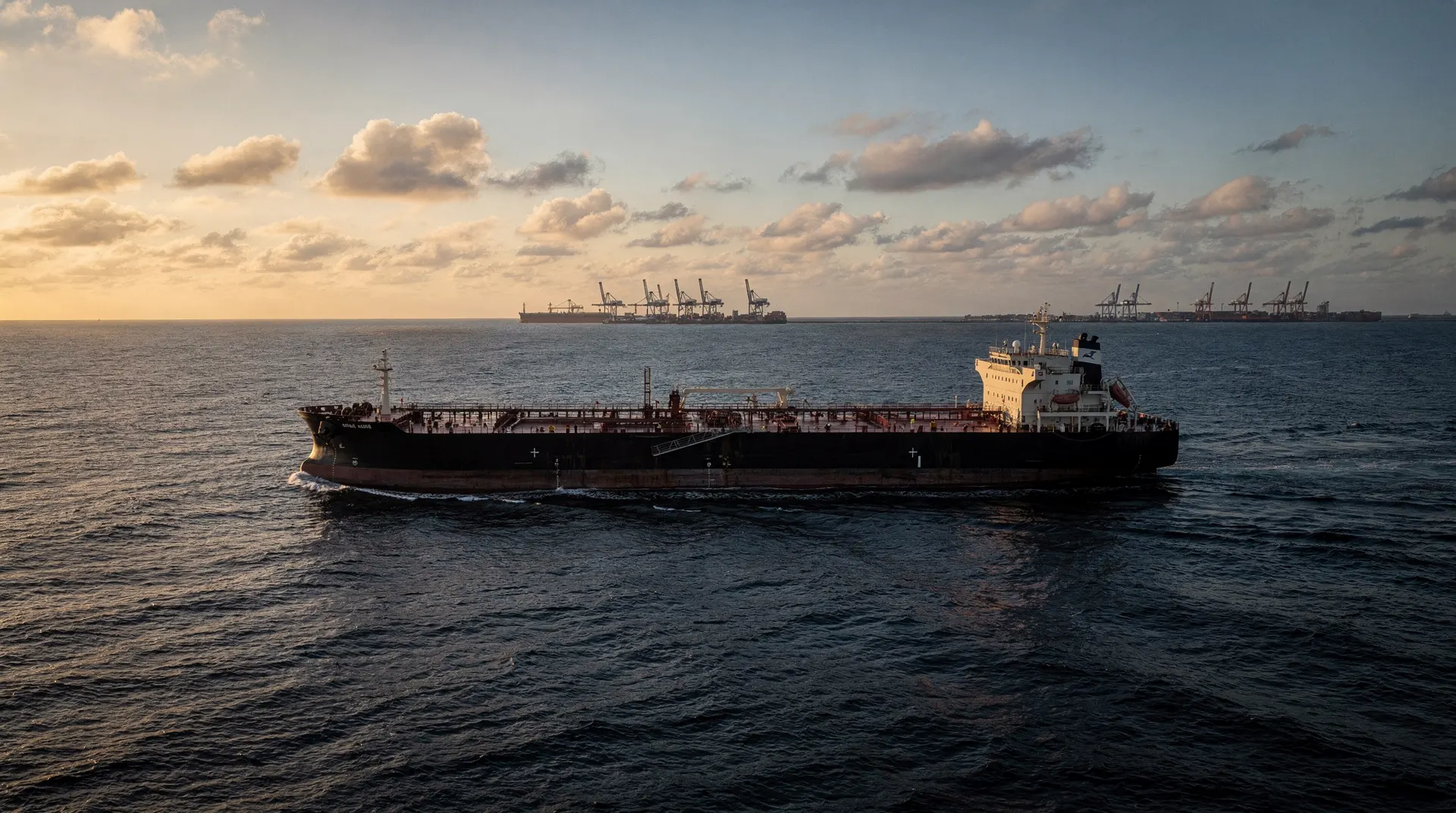
Kuwait said on November 26 that a drone strike killed two Italian workers at a vital site, and West Texas Intermediate crude was up about two percent as traders priced a wider Gulf supply-risk premium. Kuwait's armed forces attributed the drones to Iran, Iran denied any involvement, and the oil move added a fresh layer of risk to a crude market already holding war premia across the Strait of Hormuz and the Gulf.
The account of what happened is contested and should be read as such. Kuwait's Ministry of Defence said drones originating from Iran were detected and intercepted, and that shrapnel from the interception killed and wounded workers at what the Army called a vital site, per state reporting widely carried by Al Jazeera and the BBC. Italy's foreign ministry confirmed the two dead were technicians for German arms maker Rheinmetall. Kuwaiti authorities described the deaths as the result of what they called heinous Iranian aggression, and Italian officials said the drone used in the attack appeared to be of Iranian manufacture.
Related reading: Brent jumps 3.5% as Houthis claim attack on Saudi Ras Tanura refinery.
Iran rejected the account outright. Foreign Minister Abbas Araghchi told his Kuwaiti counterpart by phone that the Islamic Republic had no involvement whatsoever and offered a joint investigation, calling the incident suspicious and a precooked recipe for war, according to state media. Iran's military spokesman, Sardar Shekarchi, said there had been no offensive or military operations in the region and argued that, given what he described as the history of the Zionist regime and American forces using false flags, the accusations were a cover for continuing evil. Those are Iran's characterizations, carried here attributed to Tehran's own officials.
The market reaction was a supply-risk bid rather than a reaction to a verified outage. WTI was trading near $85.50, up about 2 percent from the prior close near $83.98, and Brent hovered near $92, according to market data. None of the reporting confirmed damage to oil infrastructure at the targeted site, so the premium is being paid on the fear that the strike widens anyway, layered on top of the Gulf risk already priced into the complex.
For the broader framework, see our crude oil coverage.
Related reading: Brent Oil Price Jumps Toward $111 as US-Israel Iran Strike Plans and Houthi Shaybah Attack Return.
This fits a campaign that has been building for weeks. The strikes have repeatedly aimed at US military assets and Gulf energy infrastructure, and the Hormuz waterway itself has become the flashpoint, with the US Navy escorting shipping through the strait in defiance of Iranian threats to close it. Crude had already been bid up after Houthi-claimed attacks on Saudi refining and on reports of tanker incidents in Hormuz that lacked independent confirmation. Kpler data showing Gulf flows declining has reinforced the risk tone, and the cushion of spare barrels and OPEC+ supply that normally caps rallies has been doing less work when the threat sits on the loading side of the world's main choke point.
The first bill from a wider conflict lands on pump prices. Gasoline and diesel cracks widen when Gulf product and crude supply is threatened, and retail fuel prices follow crude with a lag, so consumers in importing economies feel the move before refiners do. The gainers are producers collecting the higher crude price and Atlantic basin refiners with spare capacity to sell into a short market. The counterweight remains the same as it always is in this war: crude is not yet physically scarce, and the market has repeatedly given back premia when no outage is confirmed.
Related reading: Oil Prices Falling: Why Iran Risk Eased and Gas May Follow.
So the trade is binary on confirmation, matching what traders said after the Ras Tanura claim. If Kuwait and its partners confirm a real strike on energy infrastructure, the premium can extend toward the mid-$80s on WTI and the mid-$90s on Brent. If the interceptions held and no damage materializes, the move can fade just as fast as it printed. The next dated catalyst to watch is the OPEC+ ministerial meeting this weekend, where producers set 2027 output against a backdrop of tightened Gulf supply risk.
Watch the confirmation chain and the OPEC+ meeting. For now, the two-percent move is the market paying for the possibility that the Gulf risk premium keeps compounding, not for a barrel that has already left the market.
Related reading: Russian refinery strike hits Yaroslavl's YANOS for a third time: governor confirms fire as crude holds its supply risk.
This content is for informational purposes only and does not constitute financial advice.
Get daily intelligence delivered
Create a free account for the Daily Brief every weekday and The Week Ahead every Sunday. No card required.