Brent jumps 3.5% as Houthis claim attack on Saudi Ras Tanura refinery

Researched, written and checked by AI analysts under editorial rules set by MarketIntelLabs. No person reads each article before it publishes. Automated gates check sources, dates and figures. MarketIntelLabs LLC is responsible for everything published here. Corrections are logged publicly. How we work · Corrections and counts
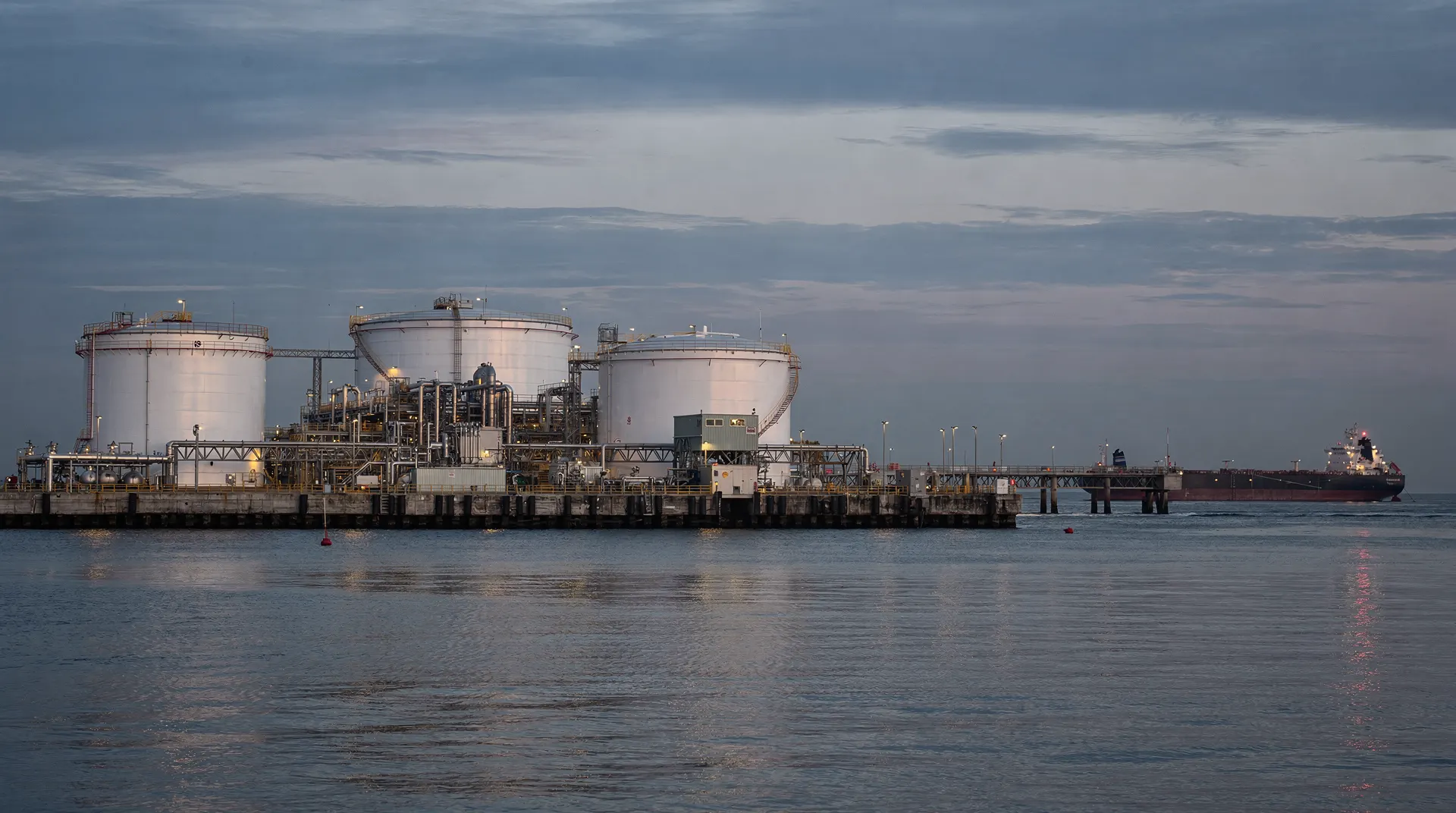
Brent crude settled at $90.64 a barrel on 25 November, up $1.86 on the session, after Yemen's Houthis claimed a drone strike on Saudi Arabia's Ras Tanura refinery, and WTI settled $1.63 higher at $83.68. The move had more air under it earlier, with Brent touching $92.41 intraday and reports of levels near $94 into the next session, a run Nation Thailand recapped as a jump of about 3.5 percent. The market paid up because Ras Tanura is not just another refinery.
The claim and the response disagree on what actually happened. The Houthis said they struck the Ras Tanura refinery and the Riyadh financial district on 25 November, per Anadolu and other outlets carrying the military statement. The Saudi-led coalition said its air defenses intercepted and destroyed four drones in the Ras Tanura area, and separately confirmed minor damage when a projectile hit Jazan port, reports echoed by Qatar news agency and Saudi media. No independent confirmation of a refinery hit has surfaced, so the premium is being paid on the claim, not a verified outage.
Related reading: Ras Tanura refinery strike claim lifts Brent toward $115 as refining stress deepens.
That makes the price action a fear move with a fast exit door. Newsquawk noted crude climbing through $88.50 early on the day, then Energy News Beat had Brent recovering past a dip to $90.96, and FinanceFeeds put the session high near $92.41. Anadolu counted the day's gain at more than 3 percent, and NDTV Profit reported Brent hovering near $94 into 26 November. The levels to watch now are Brent holding $90 as the new line of support and $94 as the breakout trigger.
The capacity at stake is the kingdom's largest single refinery. Ras Tanura runs about 550,000 barrels a day, roughly in line with industry tallies, and it sits at the same coastal complex as the export terminal that loads much of Saudi Arabia's crude. An extended stop would be a product story before a crude one, since that plant feeds gasoline, diesel and jet into Gulf domestic and export markets. Quantum Commodity Intelligence reported Brent and low-sulfur gasoil cracks climbing as the market priced the product side of an outage.
For the broader framework, see our crude oil coverage.
Related reading: Oil prices slide $5 as Saudi denies Ras Tanura damage.
The first bill lands on pump prices and on regional product buyers, who would face tighter gasoline and diesel even before the crude price resets. The gainers are refiners in the Atlantic basin and the US Gulf with spare product capacity to sell into the short market, and producers who collect the higher crude price. The counterweight is spare barrels: Saudi output surged 26 percent in October to 10.563 million bpd, per our earlier report on the company's data, and OPEC+ supply sits near pre-war levels. Crude itself is not scarce; the squeeze is aimed at refined products and at the fear around the export terminal.
The trade is now binary on confirmation. If satellite imagery or a wire confirms a hit on the refinery, Brent can push through $94 and toward the mid-90s; if the coalition's interceptions hold and no damage appears, the premium should bleed back toward $90 as fast as it printed. The next dated test is the OPEC+ ministerial this weekend, which TradingNEWS says traders are already sizing toward $86 WTI and $96 Brent levels before it convenes. Add the unresolved threat to the Jeddah and Red Sea ports and the risk band stays wide.
Related reading: Russian refinery strike hits Yaroslavl's YANOS for a third time: governor confirms fire as crude holds its supply risk.
Watch the next claim or confirmation and the OPEC+ meeting. Brent holding $90 keeps the disruption premium in place, and the real swing for the week is whether a second check on the refinery lands before prices get a chance to normalize.
Related reading: Kirishi refinery fire confirmed: natural gas jumps 7.8%.
This content is for informational purposes only and does not constitute financial advice.
Get daily intelligence delivered
Create a free account for the Daily Brief every weekday and The Week Ahead every Sunday. No card required.