Iran oil sanctions: Treasury blocks four oil trustees

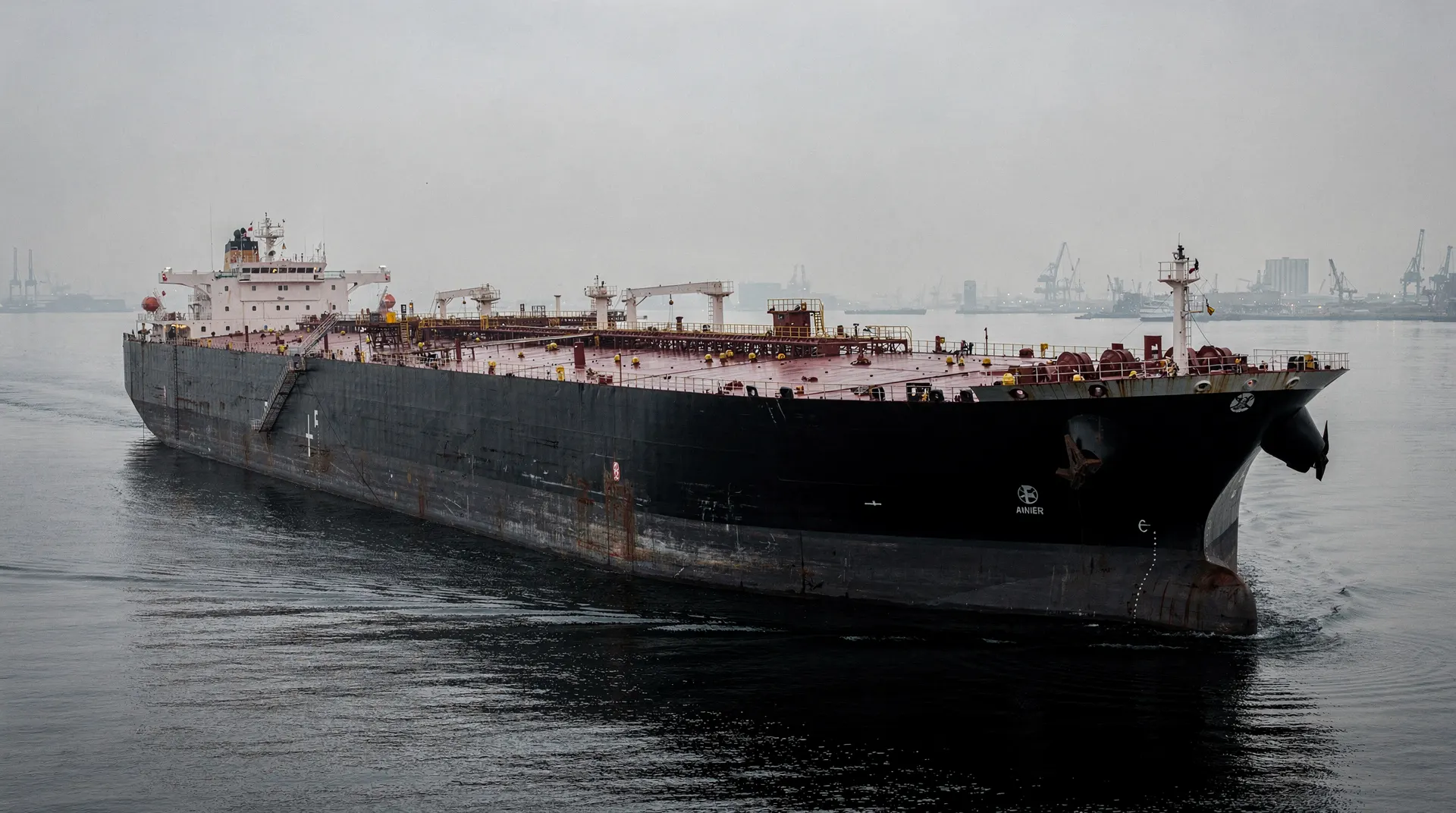
The U.S. Treasury's Office of Foreign Assets Control on Nov. 20 designated four Iranian nationals it described as "oil trustees" the regime relies on to sell crude abroad, adding them to the Specially Designated Nationals list under authorities covering Iran's petroleum sector and terrorism. The action extends Operation Economic Outcast, the sanctions campaign Treasury Secretary Scott Bessent announced Aug. 24, to the insiders the agency says were tasked with collecting hard-currency proceeds from a seaborne export channel it describes as exhausted.
Bavand, a former Islamic Revolutionary Guard Corps intelligence officer, is described by the Treasury as the head of a network of regime insiders entrusted with obtaining cash by selling from "Iran's dwindling oil reserves." The agency says Bavand built the effort around personal contacts, including Taj, the brother of the Iranian Football Federation's president, to recoup Iran's oil funds held in third countries.
Related reading: OFAC Iran sanctions: Treasury designates India-linked ship registry and management network.
The Treasury listed Bavand and Taj under Executive Order 13902, which targets the Iranian petroleum, petrochemical and aviation sectors, for operating in the petroleum sector of the Iranian economy. It says the regime continued to entrust the network with facilitating oil sales "despite members owing billions of dollars to the regime from previous sales."
Bavand is also tied in the notice to wider illicit trading actors, including the Islamic Revolutionary Guard Corps and Sepehr Energy Jahan Nama Pars Company, a U.S.-designated front company the Treasury says sells oil for the Iranian Armed Forces General Staff.
For the broader framework, see our crude oil coverage.
Related reading: Treasury severs crypto exchange MEXC Global from US financial system and sanctions eight Canadian money services firms in Iran sanctions sweep.
The other two designations run on a separate authority. Servati, the son of Islamic Revolutionary Guard Corps Brigadier General Mohsen Servati, held executive positions at companies operated by Sepehr Energy Jahan Nama Pars, including the front company Xin Rui Jin Trad Co. Limited and subsidiary Sepehr Energy Hamta Pars.
The Treasury says Xin Rui Jin brokered and received shipments of Iranian oil on the company's behalf for delivery to Chinese teapot refineries. Servati was listed under E.O. 13224, as amended, for materially assisting or supporting the designated company.
Related reading: Cuba Sanctions Expand to Electronics, Manufacturing, Marine and Tech Sectors Under EO 14404.
Arabnejad, the son of designated Iranian businessman Hamid Arabnejad, the chief executive of Mahan Air, was listed under the same counterterrorism authority for materially assisting that airline. The Treasury says he has overseen oil sales for the regime, with the proceeds supporting Mahan Air, and that he used family ties and connections to the Islamic Revolutionary Guard Corps-Qods Force to buy aircraft parts and procure weapons under the cover of agricultural companies.
What the notices do is standard for an OFAC designation: all property and interests in property of the four in the United States or in the possession or control of U.S. persons is blocked and must be reported. Entities owned 50 percent or more, individually or in aggregate, by a listed person are blocked as well.
Related reading: Iran oil exports down to about 255,000 bpd as the White House renews its Section 1245 finding.
U.S. persons are barred from most transactions with them, and non-U.S. persons are prohibited from causing U.S. persons to violate the measures or from engaging in conduct that evades or conspires to evade them.
The timing matters for the oil market. The Treasury's release frames the four as the collection arm of a regime whose export channel is already closed: "With no oil on the water outside of the U.S. military blockade and no oil loaded onto vessels since the start of Operation Economic Outcast, the regime is attempting to recoup billions of dollars from its oil trustees."
Bessent put it in blunter terms in the same statement: "The regime has exhausted its seaborne oil supply, and it may never see the revenue from the oil it has already sold. The ship is sinking."
For investors tracking the Iran story this week, the designations are less about new barrels coming off the market and more about closing the last revenue loop. The tanker attacks and flow disruption around the Strait of Hormuz have already cut what Treasury describes as the regime's seaborne sales.
The Nov. 20 action targets the people the regime sent to recover the proceeds of that trade after the fact. It is the enforcement tail of the same campaign that is driving war-risk premia and the movement in oil-linked assets this week.
The next dated step to watch is enforcement exposure. Treasury's notice warns that the campaign expands sanctions risk for non-U.S. persons who continue doing business with the Iranian regime "and will accelerate the pace of U.S. enforcement," and it points financial institutions at correspondent-account restrictions for foreign banks that knowingly facilitate significant transactions on behalf of a designated person. Each of the four remains on the SDN List subject to OFAC's standard licensing and delisting process.
This content is for informational purposes only and does not constitute financial advice. Past performance is not indicative of future results. Consult a qualified financial advisor before making investment decisions.
Get daily intelligence delivered
Create a free account for the Daily Brief every weekday and The Week Ahead every Sunday. No card required.