Cuba Sanctions Expand to Electronics, Manufacturing, Marine and Tech Sectors Under EO 14404

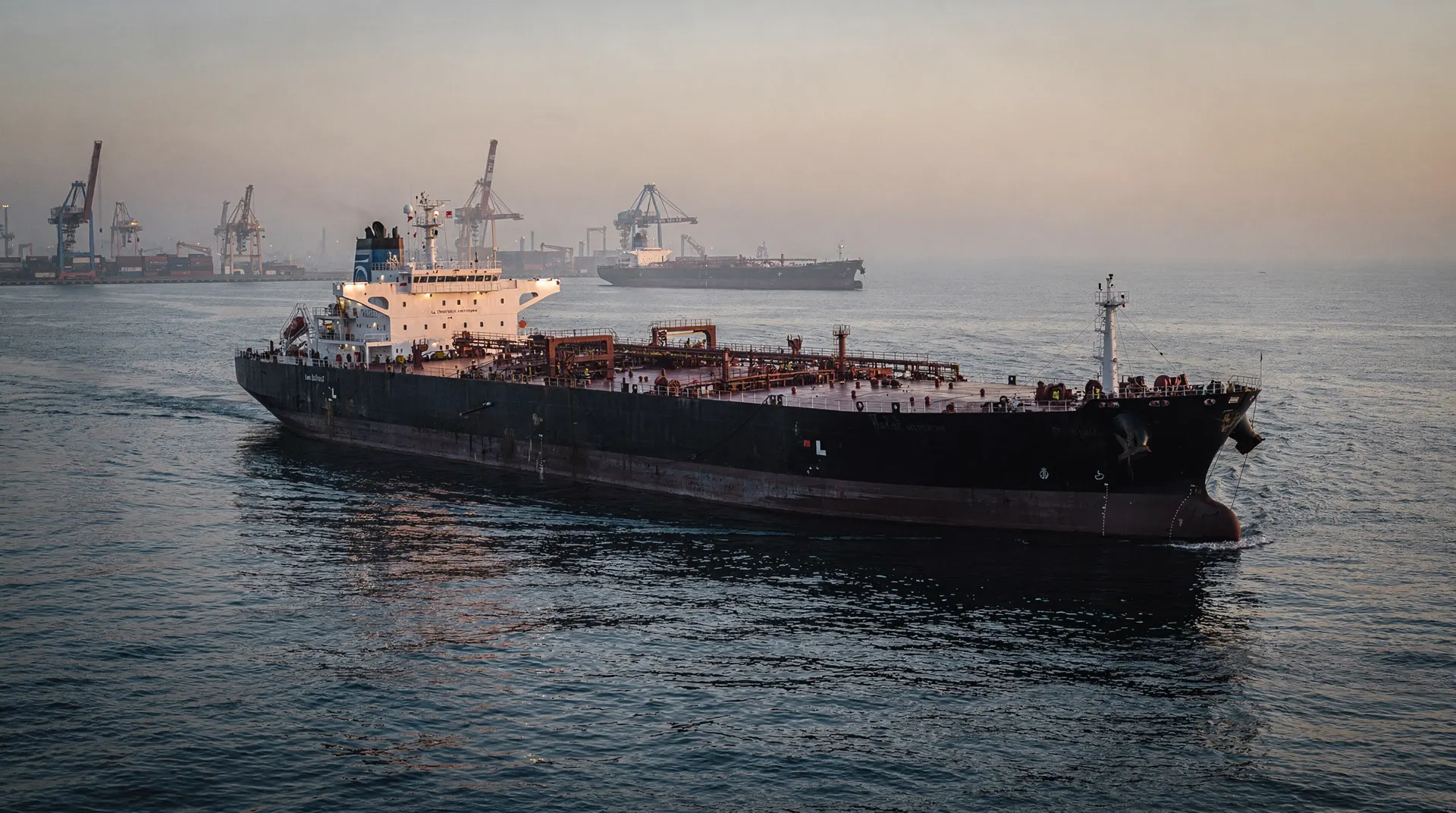
The State Department, in a fact sheet released November 5, designated eight entities and two individuals and identified five vessels as blocked property under Executive Order 14404, the order targeting those responsible for repression in Cuba and the foreign military support and illicit revenue networks that sustain them. In the same action the Treasury Department's Office of Foreign Assets Control published a Cuba-related Determination, pursuant to Section 2(a)(i)(A) of that order, naming the Electronics, Manufacturing, Marine and Technology sectors of the Cuban economy.
The Determination is the operative expansion. OFAC said it was publishing a Cuba-related Determination naming the Electronics, Manufacturing, Marine and Technology sectors of the Cuban economy, and it simultaneously updated the Specially Designated Nationals and Blocked Persons (SDN) List. Section 2(a)(i)(A) of EO 14404 is the sectoral blocking authority: a determination under it lets OFAC designate any person determined to operate in a named sector of the Cuban economy, regardless of that person's own nationality. Because the four sectors are broad, the practical effect is an extraterritorial widening of exposure for non-U.S. companies in manufacturing, technology, electronics and marine business that touches Cuba, and for the dollar settlement chains behind them.
Related reading: Stock Market Breadth Rose as Megacap Tech Slid Friday.
The new Cuban list entries read like a map of the state's import and logistics arm. CUBAELECTRONICA, formally the Empresa Importadora y Exportadora de Productos de la Electronica y las Comunicaciones, is listed as a state-owned enterprise handling wholesale of machinery and equipment. TECNOSIME, the Empresa Comercializadora de Servicios Tecnicos y Tecnologicos, is listed as a Havana state-owned enterprise whose activities OFAC describes as support for petroleum and natural gas extraction. Maritime carriers join them: Internacional Maritima SA, Petroleos Maritimos del Caribe (PETROMARCA) and Tentacool Commercial, each described in the listing as engaged in sea and coastal freight water transport.
Two China-based suppliers sit in the action. CEIEC, the China National Electronic Import-Export Company, appears on the SDN list as a Beijing state-owned enterprise established in 1980, flagged under both the Cuba order and a prior Venezuela program. Beijing H&C Technologies Co, the Beijing Huacheng Haopu Technology company, is named among the suppliers in the State Department fact sheet. The same OFAC release bundle that carried the Cuba action also brought Treasury designations against the Prince Group transnational criminal organization and the corporate infrastructure of global scam networks, per the Treasury press release of November 5.
For the broader framework, see our crude oil coverage.
Related reading: US Manufacturing PMI Slips to 54.9; Supplier Deliveries Slow Most Since 2022.
Two individuals are designated under the Cuba program. Any Rodriguez Lastres, listed with ties to Ania Guillermina Lastres Morera, is identified by the State Department as the daughter of the head of GAESA, the Cuban military conglomerate. Guillermo Rodriguez Lopez Calleja, of Havana, is the second individual named. Both are SDN list entries tagged to EO 14404.
The five vessels are the oil-shipping story. The affected fleet is the crude and products capacity of the Caroil Transport Marine network and its affiliates: the crude carriers Esperanza, formerly the NEDAS, and Lourdes, formerly the Giralt; the chemical and products carrier Maria Cristina, formerly the Carlota C; the products carrier Gloria C; and the LPG carrier Emilia. OFAC's listing shows the reflagging that precedes a blockade: vessels that sailed under Greek and Panama flags are now listed under the Cuban flag, flagged to Caroil Transport Marine and to Petroleos Maritimos del Caribe. Blocking Cuba-flagged tankers thins the pool of carriers available to move crude and refined products toward the island, extending the maritime squeeze on Cuban energy logistics that depends on imported petroleum.
Related reading: JOLTS Job Openings: September Report Due November 3.
For investors and operators the priced question is compliance exposure, not a single print. A foreign manufacturer, shipper, insurer or technology supplier with Cuba-facing business must now ask which program tags apply to its counterparties, which carriers move its cargo, and whether any leg of a transaction clears in U.S. dollars, where the blocking order attaches. The sectoral determination makes that a question for non-U.S. firms, not only U.S. persons.
No next dated catalyst has been announced under the EO 14404 program. The steps to watch are further sectoral determinations and any additional SDN list updates OFAC publishes under the same authority, and any Treasury guidance on how the new sectoral coverage interacts with the general licences and authorizations that otherwise govern Cuba-related transactions.
Related reading: Hon Hai Monthly Revenue Jumps 46% in October on AI Server Demand.
This content is for informational purposes only and does not constitute financial advice.
Get daily intelligence delivered
Create a free account for the Daily Brief every weekday and The Week Ahead every Sunday. No card required.