Ero Copper halts Tucumã mine output after Brazilian regulator suspends operations

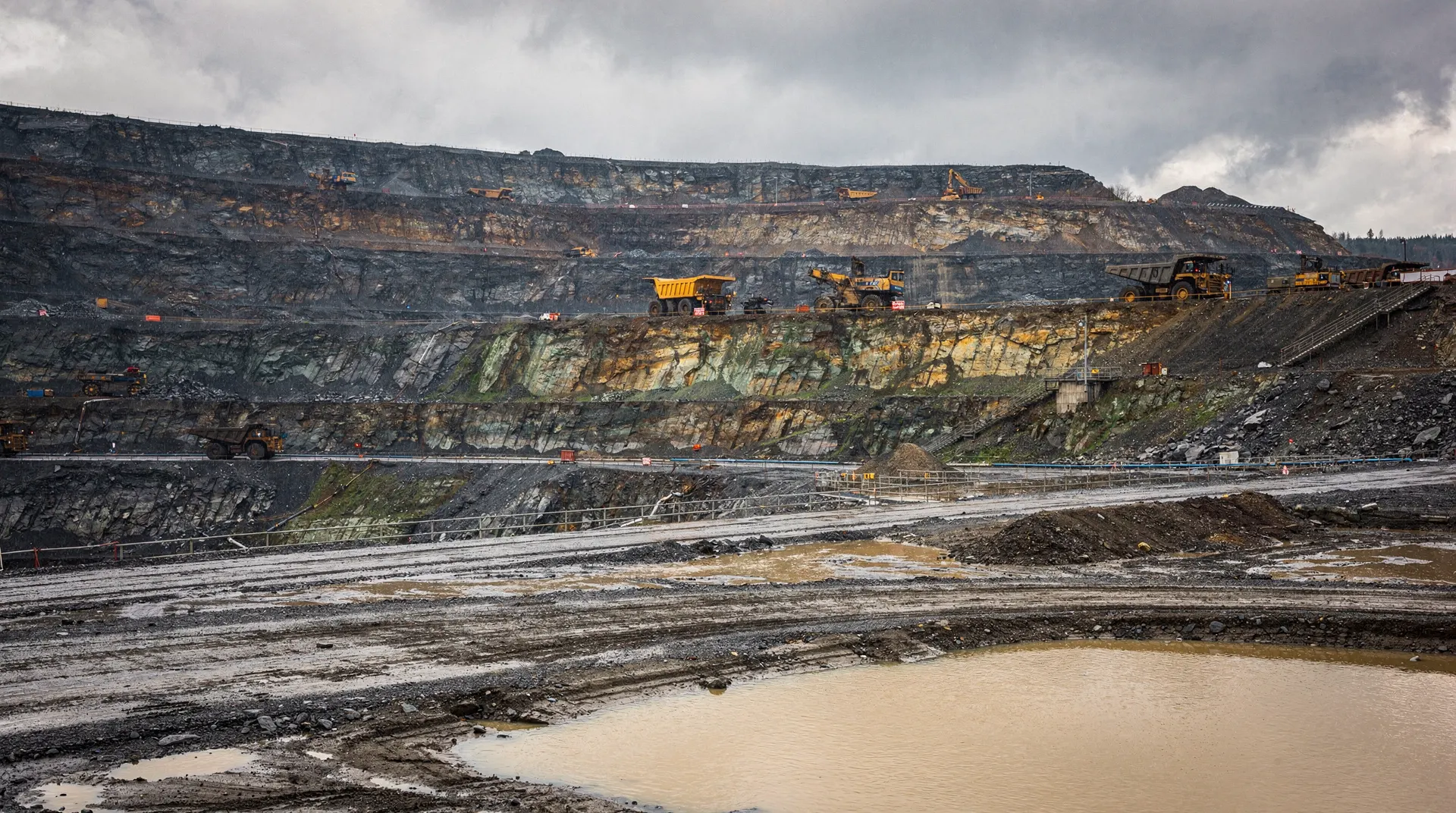
Ero Copper shares fell 6.7 percent to C$29.97 in Toronto on Friday morning, valuing the company at about C$3.1 billion, after the producer said it had suspended all mining and processing at its Tucumã operation in Brazil, complying with a halt notice from Pará's state environmental agency. For a copper reader the figure that matters is not the share drop but the tonnes. Tucumã was expected to produce 32,500 to 37,500 tonnes of copper this year, roughly 48 percent of Ero's 2026 output target at the midpoint, and it is now idle with no restart date.
The catalyst is a dated operation-level event with direct price consequence. Ero said Thursday evening that it had suspended activities at Tucumã in compliance with a notice from SEMAS, the state environmental agency. According to the company's statement, environmental authorities initially ordered Ero to halt mining while allowing the mill to keep running, and processing has since stopped as well. Operations will not resume until SEMAS reviews and approves a final remediation plan that Ero says it expects to file shortly. The company gave no firm restart date and no revised production forecast.
Related reading: TotalEnergies expands US gas output through Continental Resources deal.
The underlying cause is weather and water, not ore. Two bursts of heavy rain that Ero linked to El Niño overwhelmed the pumping capacity of a surface water collection pit, producing two localized overflows. About 275 mm fell in the first 20 days of November, roughly 170 percent above the normal total for the entire month, according to the company. SEMAS said Tuesday that inspectors found acidic industrial wastewater had reached a tributary of the Jatobá River and recorded unusual pH readings in nearby water samples. Ero said it notified the agency of the overflows and has increased pumping and storage capacity and moved a stockpile to limit runoff in the affected area.
The fines so far are modest against a producer of Ero's size but signal the regulatory stakes. Ero put the penalties tied to the overflows at about US$2.9 million, or about BRL 16.8 million. The agency said it increased the penalty because Ero failed to notify it and civil defence authorities within the required 48 hours, a point Ero contests, saying it did notify the agency. Separately, the municipality of São Félix do Xingu, about 50 km from the mine, fined Ero about US$1.9 million over two reports of fish deaths. Ero says those reports predated the overflows, that it has not received documentation supporting the municipal fine, and that it found no link between the deaths and its operation.
Related reading: Copper price drops to 7-month low as the AI trade unwinds.
What Tucumã is worth to Ero is the real story. It is an open-pit mine in the Carajás mineral province that began commercial production in July 2025, and it is Ero's lowest-cost copper operation, with a third-quarter cash cost of US$2.12 per pound versus US$2.89 per pound at the company's Caraíba mine in Bahia. Through September it produced 26,383 tonnes of copper in concentrate, up 39 percent from a year earlier, and Ero had expected the fourth quarter to be the mine's strongest as the mill processed more ore. National Bank Financial analyst Shane Nagle puts Tucumã at about 21 percent of Ero's base-case net asset value.
For the global copper market these are small numbers. Roughly 35,000 tonnes a year against total mine supply near 23 million tonnes is a rounding error, and the hits to Ero's own cash flow are contained so far. Jefferies analyst Fahad Tariq said visibility on the duration of the suspension remains limited, that no production through year-end would leave Tucumã at the low end of its 2026 guidance range, and that SEMAS could allow a restart within two weeks. TD Securities analyst Craig Hutchison estimated a one-week shutdown costs about 700 tonnes of output and trims fourth-quarter EBITDA by about 3 percent, while warning that the potential for prolonged downtime is the more important consideration. Nagle pegged a 10-day shutdown at US$8.4 million, or 4.3 percent, off his fourth-quarter EBITDA forecast.
Related reading: Hurricane Isaias shuts in 1.28M bpd of Gulf oil production: what it means.
That split is the bull and bear case in one sentence. The bull case leans on speed. Ero is moving the remediation plan quickly, the asset is its cheapest copper, and a two-week restart would barely register on annual tonnage. The bear case is that El Niño rains keep the ground saturated, SEMAS holds the restart to a full review, and a no-production-into-Q1 scenario forces a guidance cut at a time the market is already watching copper near US$5.60 a pound on COMEX. The next dated catalyst is Ero's remediation plan submission and SEMAS's decision on it, then any update to the 2026 production forecast. That is the number a copper reader should track.
Related reading: Saudi Arabia crude output surges 26% in October to 10.563 million bpd as OPEC+ supply nears pre-war levels.
This content is for informational purposes only and does not constitute financial advice. Past performance is not indicative of future results. Consult a qualified financial advisor before making investment decisions.
Get daily intelligence delivered
Create a free account for the Daily Brief every weekday and The Week Ahead every Sunday. No card required.