Delta delays flights as automation fails before Thanksgiving

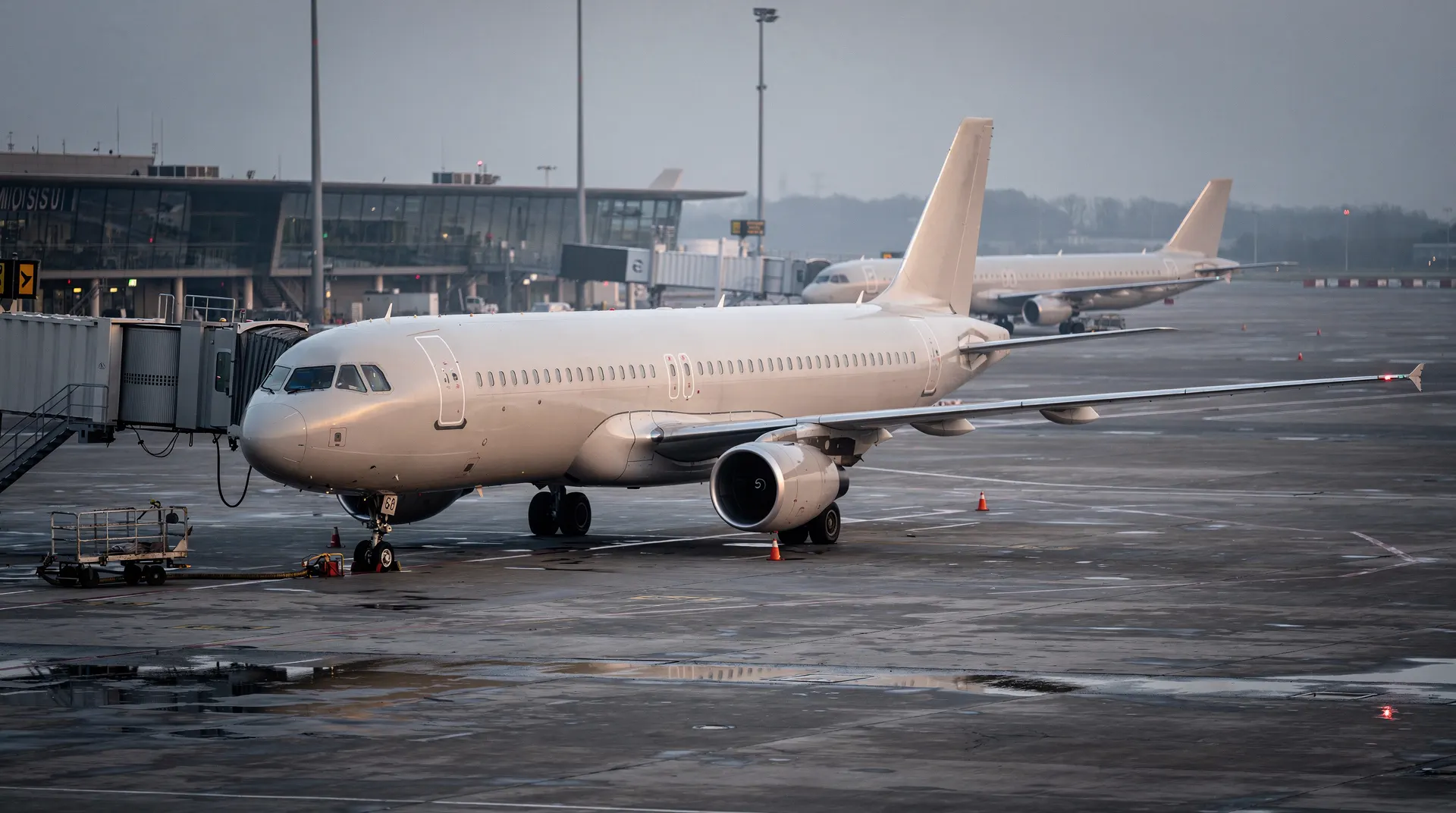
Delta Air Lines delayed flights across its network on Sunday morning after an automation system that powers aircraft weight-and-balance calculations failed, prompting the Federal Aviation Administration to issue a ground stop at Hartsfield-Jackson Atlanta International Airport, Delta's largest hub, days before one of the busiest travel weeks of the year.
The trouble began early Sunday in the carriers' automated load instruction system, the tool that produces the loading data used to calculate each flight's total weight and center of gravity before departure. Without that automated output, every departure has to be worked by hand, a far slower process at an airport the size of Atlanta. The FAA, at Delta's request, initially issued a ground stop for Delta mainline and subsidiary flights bound for Atlanta across 14 of the 20 air-traffic-control center areas in the contiguous United States, according to flight-tracking data reported in the trade press.
Related reading: United Airlines stock falls 8% as flights resume after system outage.
That stop took effect around 7:46 a.m. ET and was downgraded to a ground-delay program shortly after 8:40 a.m. ET. The program began averaging 57 minutes of delay per inbound flight, with some waits reaching 111 minutes, and was expected to run until about 12:59 p.m. ET. Delta's statement to Simple Flying on Sunday morning read: "Delta teams are using manual workarounds this morning to safely get flights departed while work continues to restore automation. We thank our customers for their patience and our people for their professionalism." The airline added that it was coordinating with air-traffic control to protect gates and tarmac space at Atlanta from congestion.
The FAA posted on X at 11:17 a.m. ET that Delta was still working to resolve the issue, and that the delays "are not related to any FAA air traffic systems," based on the post as reported by multiple outlets. FlightAware data cited by reporting showed the scale: by 11:00 a.m. ET, 681 flights were delayed at Atlanta and 591 Delta flights were delayed across the country, with about 30 percent of Delta's roughly 1,010 Sunday flights delayed. More than 12,000 flights across all airlines were delayed at U.S. airports during the disruption, and more than 500 were canceled. Delays were also reported at Newark, New York LaGuardia, Reagan National, Washington Dulles, Boston, Baltimore, Miami and Minneapolis, according to Atlanta News First.
Related reading: United Airlines blocks AI agents from booking flights over security concerns.
Atlanta is where Delta's density becomes the market's problem. The airport handled 106 million passengers in 2025, the most of any airport in the world, and Delta operates close to a fifth of U.S. flight volume through it, with nearly 1,000 departures on peak days to more than 200 destinations. Because nearly every Delta route touches Atlanta, a delay there cascades across the whole network as aircraft and crews fall out of position. Airport officials expect more than four million passengers to pass through Hartsfield-Jackson between Nov. 19 and Dec. 1, roughly 5 percent more than a year ago.
For equity investors the question is not whether this week gets messy, but how quickly the airline normalizes and what it costs. Delta shares closed last Friday at 80.01, down about 7 percent from the prior Friday, and the whole airline complex was soft into the holiday, with American, United and JetBlue closing the week lower. Part of that weakness traces to the Nov. 13 FAA ground stop, a communications-system failure that halted departures nationwide for more than four hours and left carriers repositioning displaced aircraft and crews for days. This outage repeats that pattern at the worst time in the seasonal calendar, when planes fly full at premium fares.
Related reading: American Airlines ends international first class, rolls out 70-suite business cabin.
The bull case is that this is an operational event, not a demand event. Bookings were strong enough that airlines added roughly 38,000 net daily seats this Thanksgiving versus last year, and travelers are unlikely to cancel plans for a routing that historically normalizes within days. Delta's cost exposure is real, through overtime, rebooking, vouchers and any trip disruption payouts, but the margin impact of a one-day automation failure is typically modest against a peak-fare week of record revenue, provided the schedule restores quickly.
The bear case is about trust and reliability. This is the second networkwide operational failure of the month, after United's own weight-and-balance outage last week held its departures for more than 90 minutes, stacked on the Nov. 13 FAA communications breakdown. Airlines sell a promise of getting people home for Thanksgiving; repeated automation failures erode that brand value and could weigh on bookings into the December holidays. Watch Delta's updates for when normal scheduling resumes, whether the FAA clears the ground-delay program early, and any guidance Delta issues on the financial hit. Monday's open is the first place the market prices all of it.
Related reading: Chase Bank Outage: Software Bug Halts Online Banking at Major US Banks as Bank Shares Dip.
This content is for informational purposes only and does not constitute financial advice. Past performance is not indicative of future results. Consult a qualified financial advisor before making investment decisions.
Get daily intelligence delivered
Create a free account for the Daily Brief every weekday and The Week Ahead every Sunday. No card required.