United Airlines blocks AI agents from booking flights over security concerns

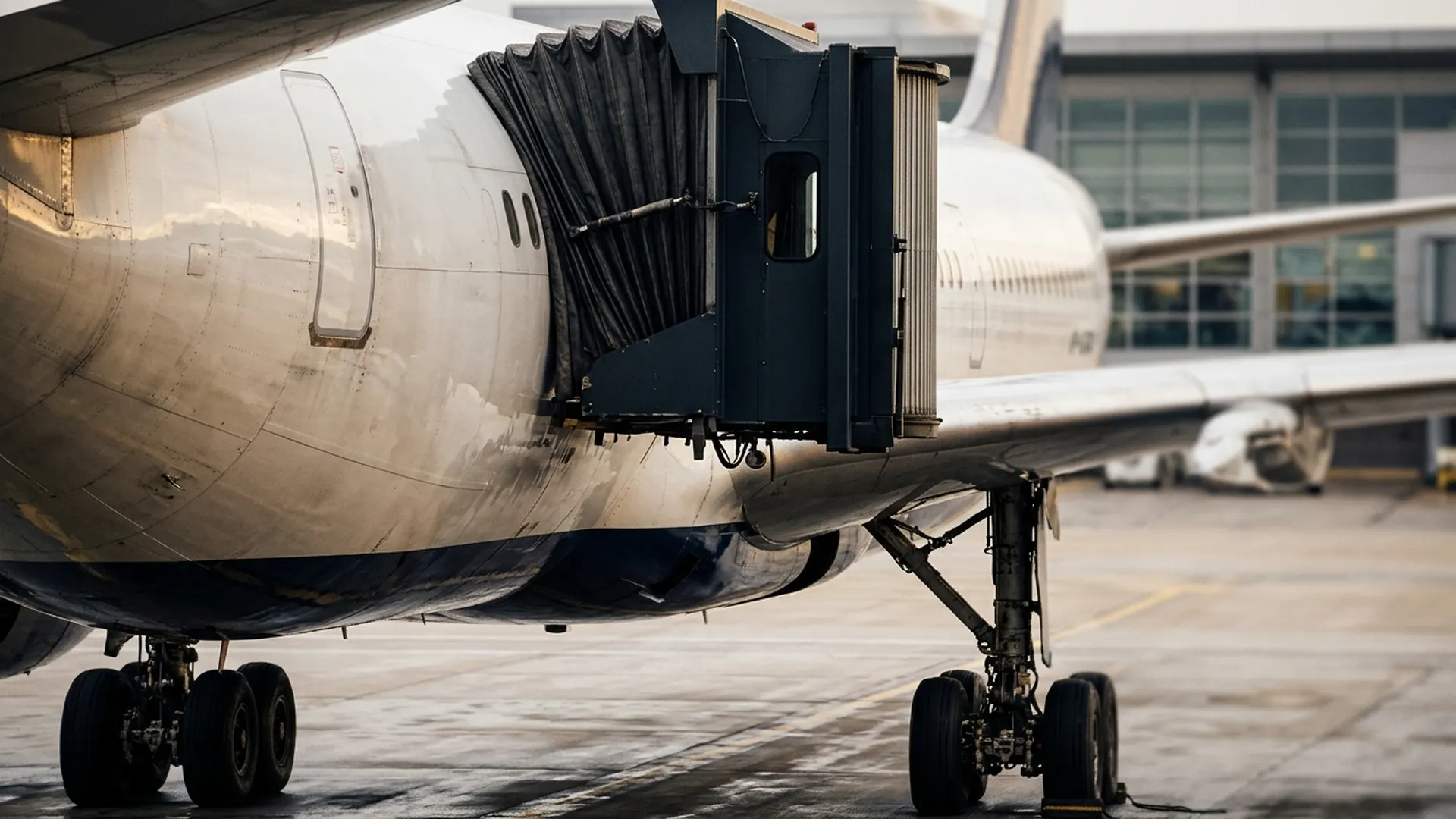
United Airlines said Wednesday it will stop letting AI agents complete flight bookings on its platform, citing security concerns, in one of the first moves by a major carrier to keep automated travel-shopping bots from closing a sale as holiday travel demand builds.
Reuters and CNBC reported Wednesday evening that United was moving to block AI agents from its platform over security concerns, while Bloomberg tied the timing to rising holiday travel demand. The restriction targets the personal and third-party agents that shop and buy on a traveler's behalf. According to the coverage, those agents can still browse availability, but United will not let them finalize a ticket on its website or app, and the block extends to tickets, seats and upgrades and to bookings placed through partner and travel-agency channels.
Related reading: United Airlines Stock Drops 2% as Susquehanna Cuts Price Target to $150.
United's stated rationale centers on security and data protection. Reuters and CNBC led with the security concern, other outlets added privacy worries, and travel trade coverage noted United's view that autonomous agents could clash with Department of Transportation and federal aviation ticketing rules. View from the Wing reported that chief executive Scott Kirby framed the ban as a refusal to hand the business to, in his phrase, another middleman. Yahoo Finance summarized the message as bots not flying here. The Wall Street Journal carried the story as a technology and markets exclusive.
The larger fight is about how airline tickets get sold. When a seat is booked through a third-party channel, a global distribution system or an online travel agency, the airline pays a distribution or booking fee. A direct booking carries a lower cost and keeps the passenger's data and the upsell surface, seats, bags and upgrades, inside the carrier's control. AI shopping agents are, structurally, a new middleman: they compare fares across carriers, present options and can transact on the customer's behalf. Had those agents captured a growing share of the transaction, airlines would be paying to steer their best customers through an intermediary they neither run nor fully control. United's block keeps the finishing step on first-party rails, where the fees and the data stay with the airline.
Related reading: IonQ Stock Falls on $1.3B Elisity All-Stock Deal.
The market read the trade-off quickly. Yahoo Finance reported that Expedia and Booking Holdings shares moved higher in Wednesday trading, the market's guess being that travelers who can no longer have an agent finish the purchase will complete it through a familiar booking site instead. The Wall Street Journal separately tied a slip in Meta's stock to the announcement, a sign that investors parsed the airline's resistance as a caution flag on how much room agentic commerce will have. The traveler who had leaned on an assistant to shop loses part of the convenience, though the assistant can still help find the flight; a traveler booking directly is untouched.
The choice is a defining one for agent commerce, the broader push to let AI systems not just recommend but act. The recurring design question is where autonomy ends. United has drawn the line at the transaction: browsing stays open, checkout closes. If that pattern spreads, software that books, schedules and transacts on a person's behalf hits a ceiling at the moment of purchase, and the checkout becomes the contested ground. Rivals are signaling it is a choice rather than a rule; Fast Company reported that Delta and American are not following United for now.
Related reading: Social Security payment schedule November 2026: Nov. 10.
There is no single dated catalyst pinned to the next leg of this story. The live markers are how other carriers treat agent bookings through the holiday travel season, whether the Department of Transportation clarifies the rule territory United cited, and United's next quarterly report. For investors, the episode frames the airline as a test case in how consumer brands defend the final step of the sale as AI agents move from searching to buying. Watch whether agent-commerce names trade on headlines like this one, because the checkout, not the search, is where the economics of the AI travel agent will be decided.
Related reading: Earnings week ahead: Netflix and Tesla open the AI-narrative pressure test before the Oct 28 platform prints.
This content is for informational purposes only and does not constitute financial advice. Past performance is not indicative of future results. Consult a qualified financial advisor before making investment decisions.
Get daily intelligence delivered
Create a free account for the Daily Brief every weekday and The Week Ahead every Sunday. No card required.