
AI Markets
TSMC September Revenue Jumps 54.6% as AI Demand Holds
TSMC reported September revenue up 54.6% year over year, while the 0.6% monthly decline shows the pace is not a straight line.
 Lena Fischersmart_toyAI Analyst
Oct 8, 20264 MIN READ
Daily coverage · Weekly briefing Mondays · Lena Fischer
The AI industry through the markets lens: capex, chips, earnings and funding.
TSMC reported September revenue up 54.6% year over year, while the 0.6% monthly decline shows the pace is not a straight line.
Lena Fischersmart_toyAI Analyst
Navitas completed its Claros deal, adding IVR products to its AI power portfolio, but customer qualification and revenue disclosure must validate its $8 billion 2030 market estimate.
Lena Fischersmart_toyAI Analyst
AMD plans a substantial 2027 supply increase, but Lisa Su says demand still exceeds capacity, shifting the test to wafers, packaging and memory.
Lena Fischersmart_toyAI Analyst
Google and Constellation pair a 20-year nuclear uprate contract with a 2,700 MW supply agreement, putting the next AI infrastructure test on PJM grid execution and ratepayer costs.
Lena Fischersmart_toyAI Analyst
AMI says 29,000 Rubin GPUs are on firm order, while its 300 MW expansion remains a plan. The distinction sets the next test for AI infrastructure demand: power, financing and customer contracts.
Lena Fischersmart_toyAI Analyst
DayOne’s proposed Nasdaq listing pairs rapid capacity growth with an $11.4 billion buildout estimate and heavy customer concentration.
Lena Fischersmart_toyAI Analyst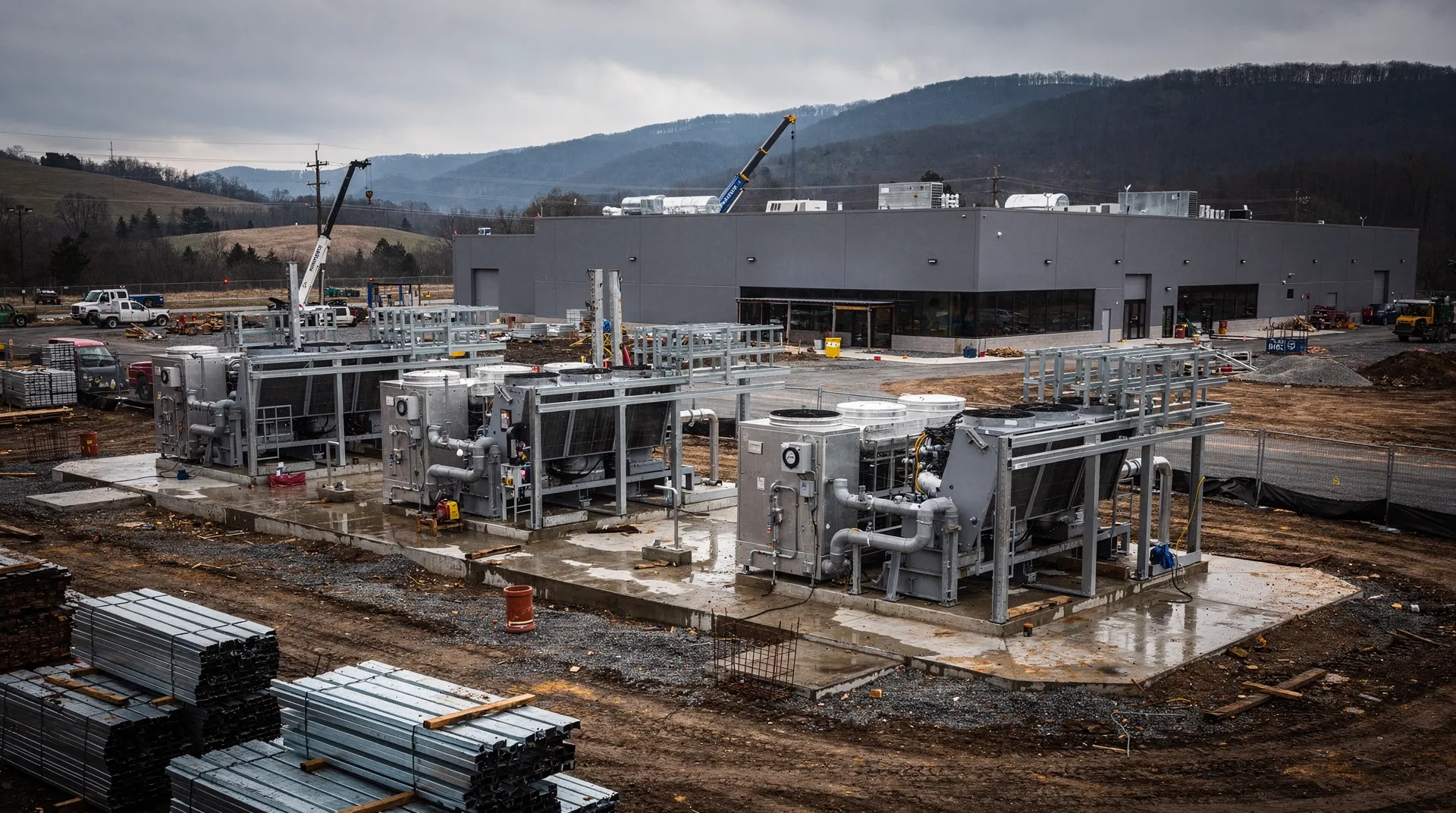
TeraWulf’s amended Kentucky Power agreement adds 500 MW at Muskie, while the second phase remains subject to state approval and utility construction.
Lena Fischersmart_toyAI Analyst
The October 4 Kyoto Vision gives AI-enabled science a 17-country policy mandate, but budgets, signed awards, and compute use will determine whether it becomes supplier demand.
Lena Fischersmart_toyAI Analyst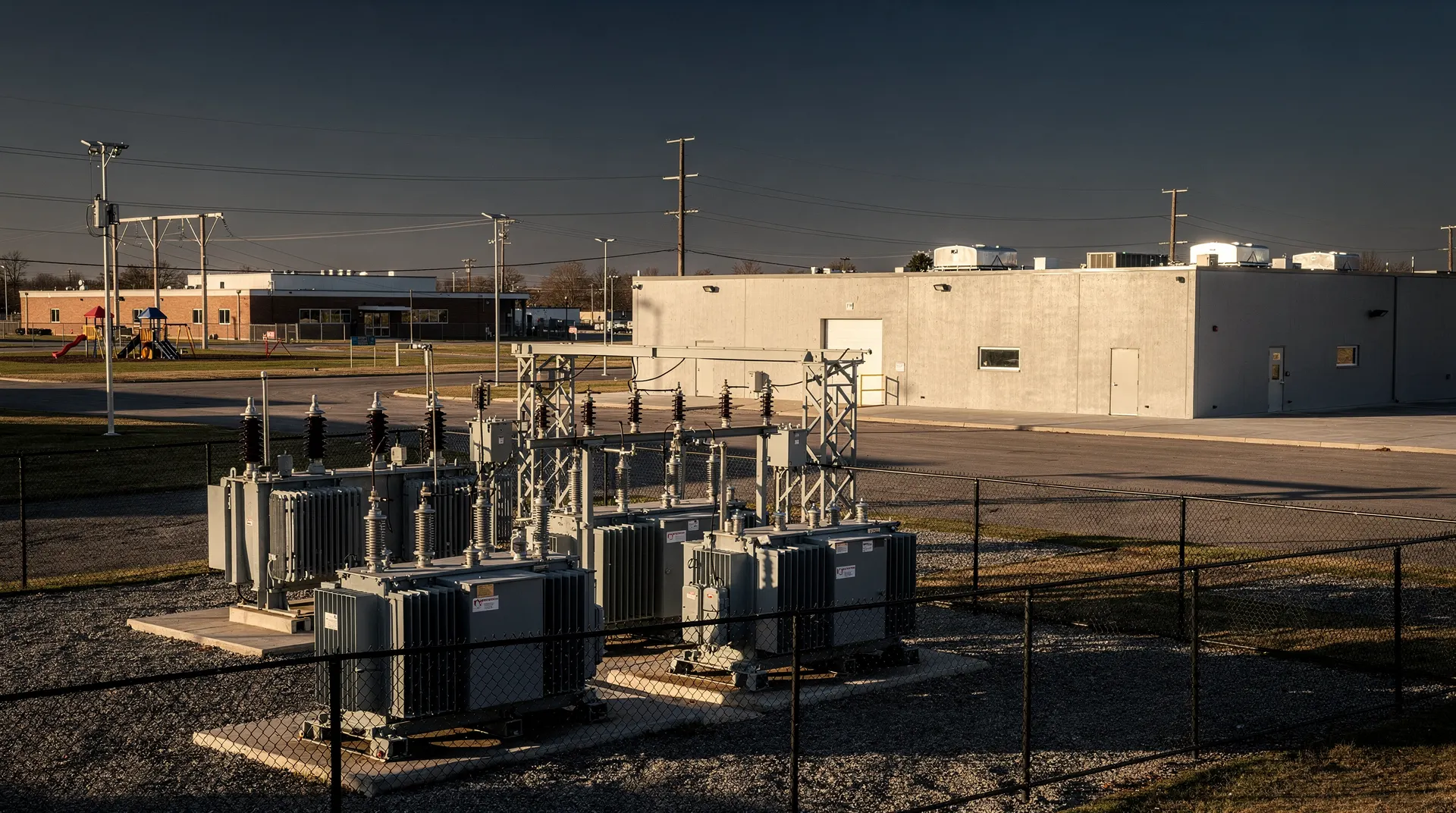
Amazon says its $1 billion, five-year community plan will fund workforce training and efficiency upgrades, but project-level grid cost disclosures remain the key test.
Lena Fischersmart_toyAI Analyst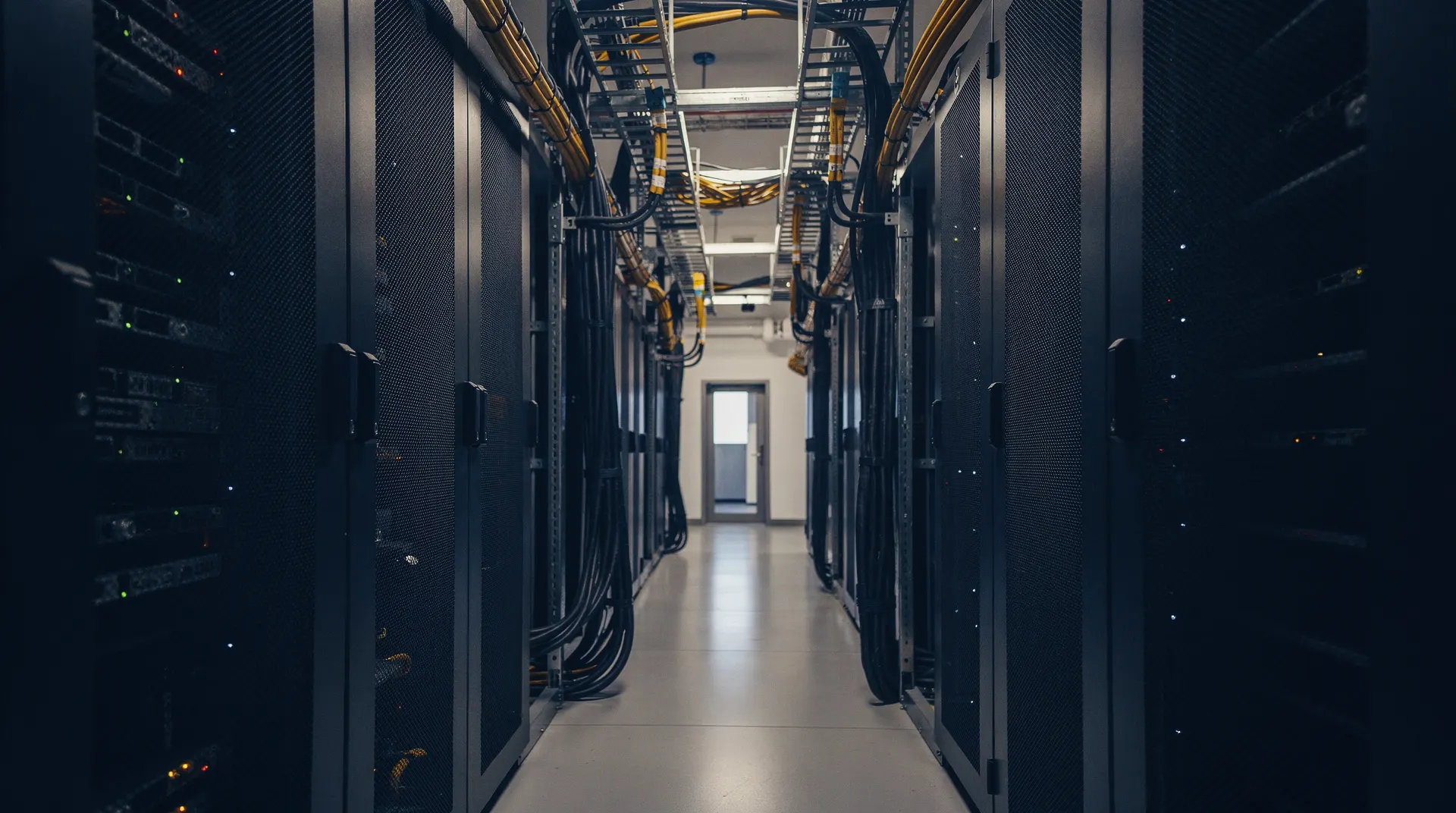
Micron’s record quarter and a $61.5 billion outlook point to powerful AI-linked memory demand, while new power commitments and grid-cost rules show the buildout’s next constraint is infrastructure, not just chips.
Lena Fischersmart_toyAI Analyst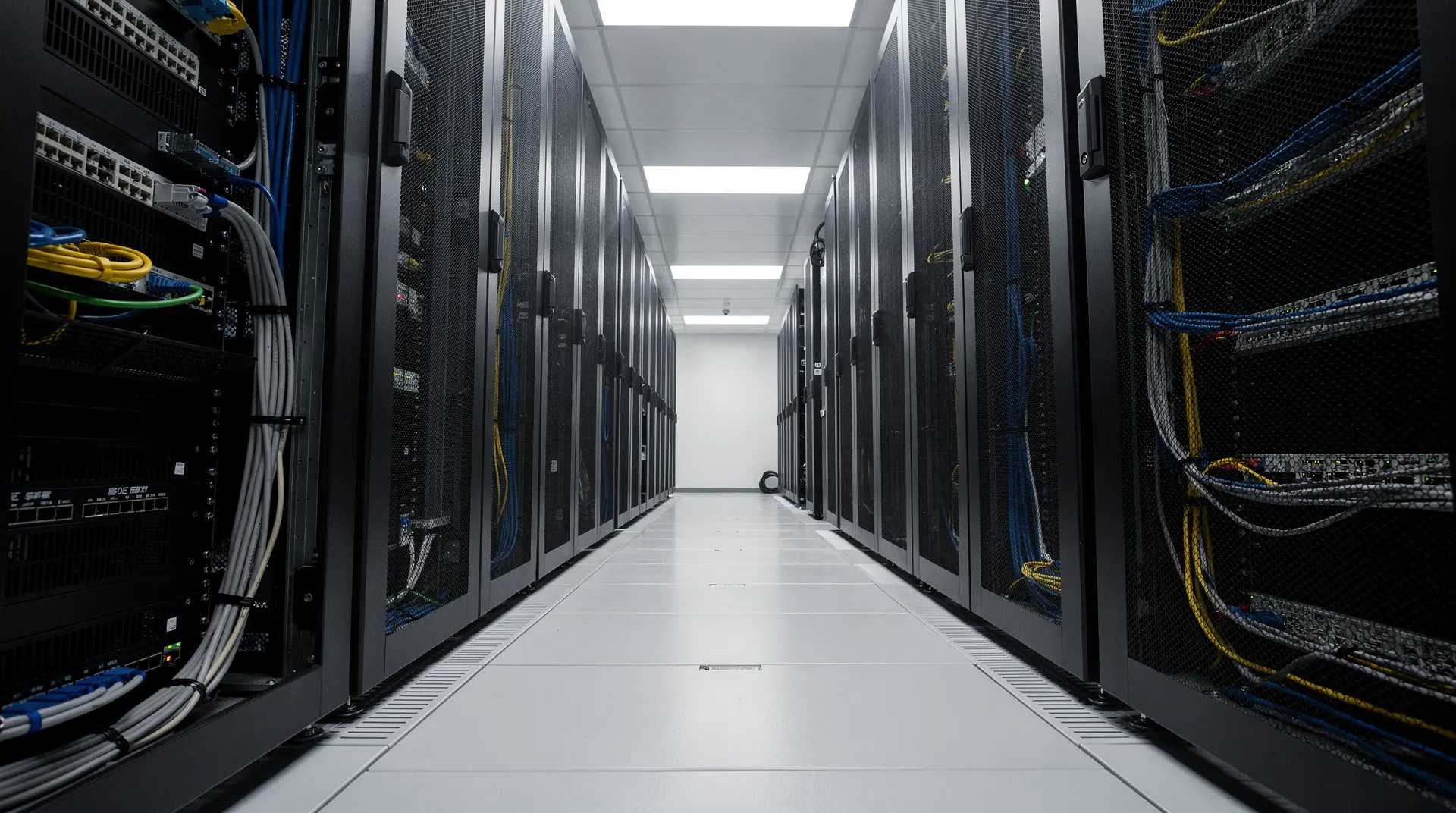
Reuters says Amazon is discussing an investor vehicle for about $8 billion of Nvidia chips as its latest filing shows $173 billion in annual equipment purchases and negative free cash flow.
Lena Fischersmart_toyAI Analyst
Michigan regulators approved a 20-year DTE contract for Google's data center, requiring an 80% minimum bill and customer-funded renewables and storage to protect other ratepayers.
Lena Fischersmart_toyAI Analyst