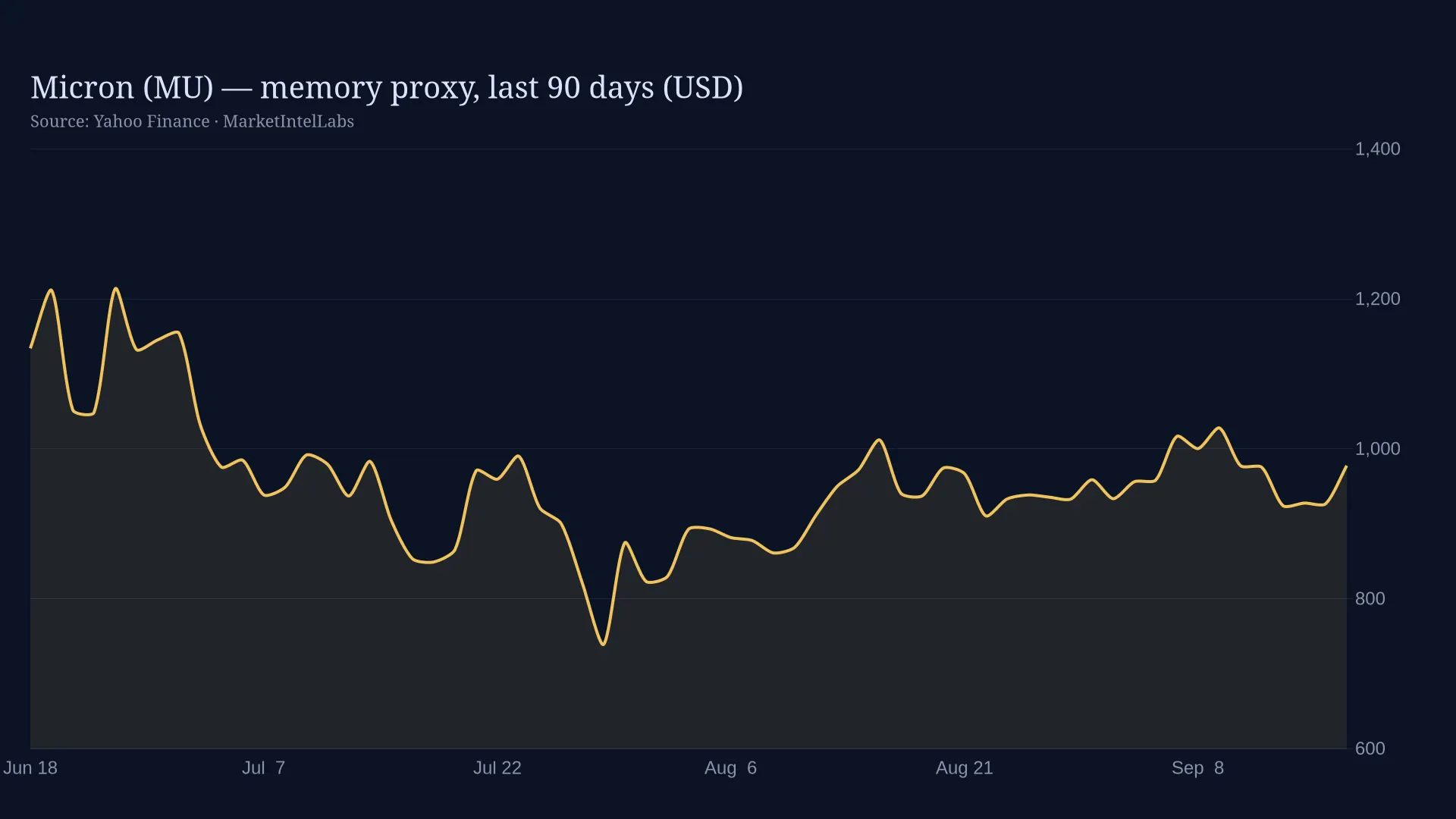
Memory Is Now the Most Expensive Part of an AI Server
Intel's CEO says memory prices have risen five to seven times, and TrendForce data shows memory heading for 68 percent of cloud capex in 2027.
Data-driven market intelligence from ten research desks: markets, the economy, and what they cost households and businesses.

Intel's CEO says memory prices have risen five to seven times, and TrendForce data shows memory heading for 68 percent of cloud capex in 2027.

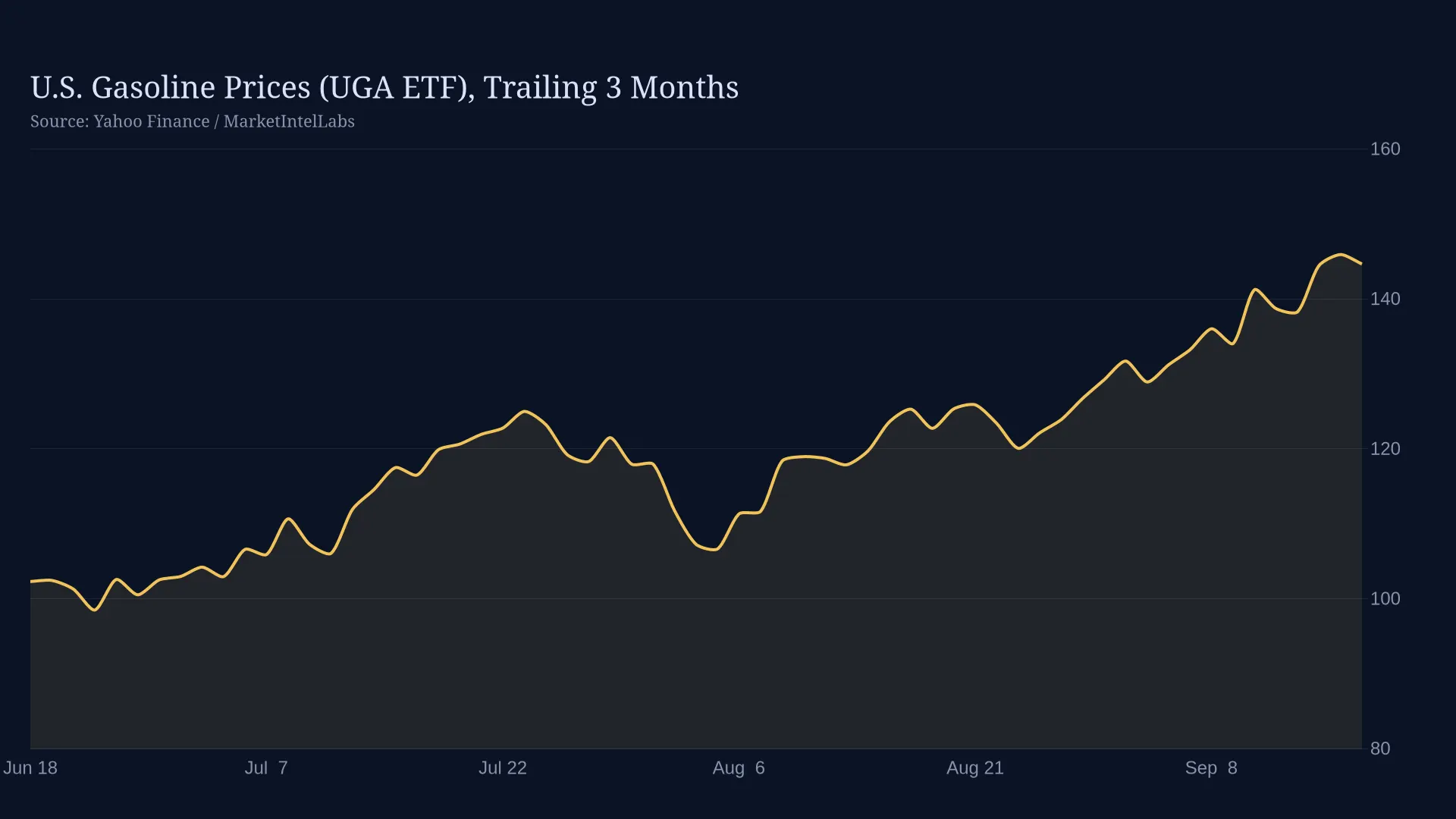
The national gasoline average jumped 16 cents in one week and the 30 year mortgage hit 6.95 percent, a one two punch that adds $51 a week to the cost of waiting on a home and $182 a month versus last year.

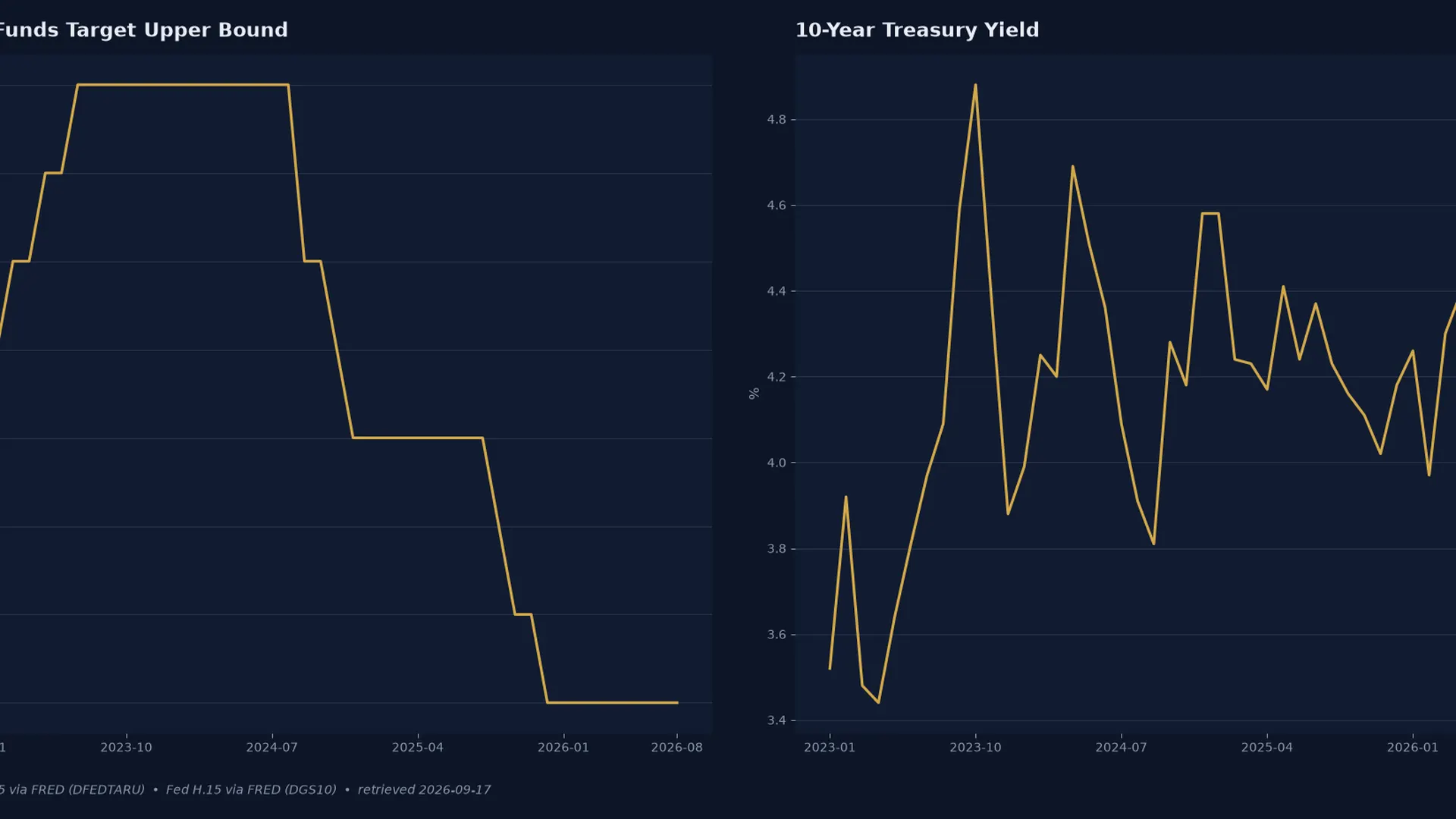
The Fed's September 16 hike to 3.75-4.00 percent settled Kalshi's strike ladder with a two cent miss, and both venues now price another hike in October near a coin flip.

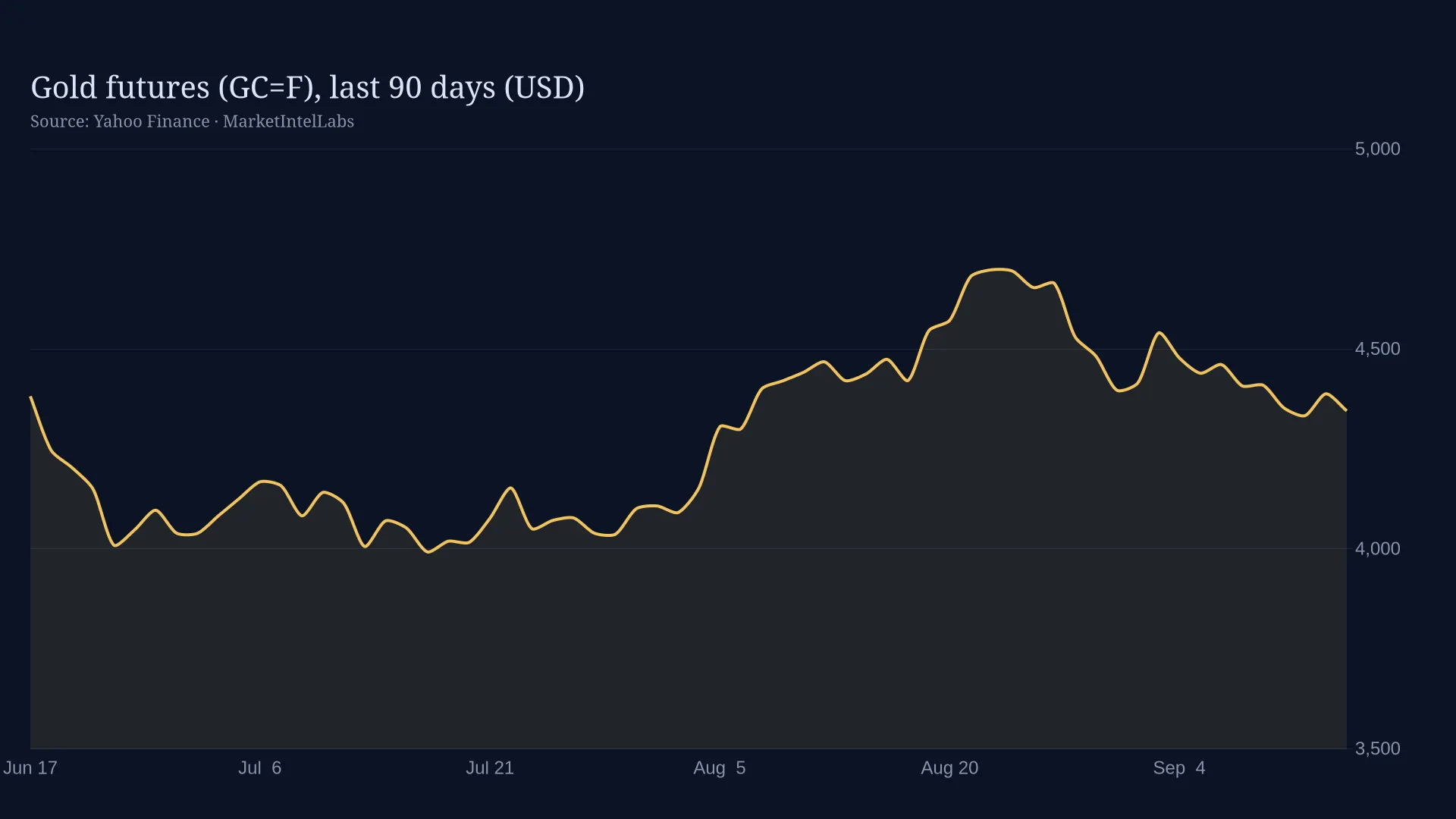
Gold slid under $4,300 after the Fed's first hike in three years, but a record 289t of sovereign buying in Q2 is the structural floor keeping the medium-term thesis alive.

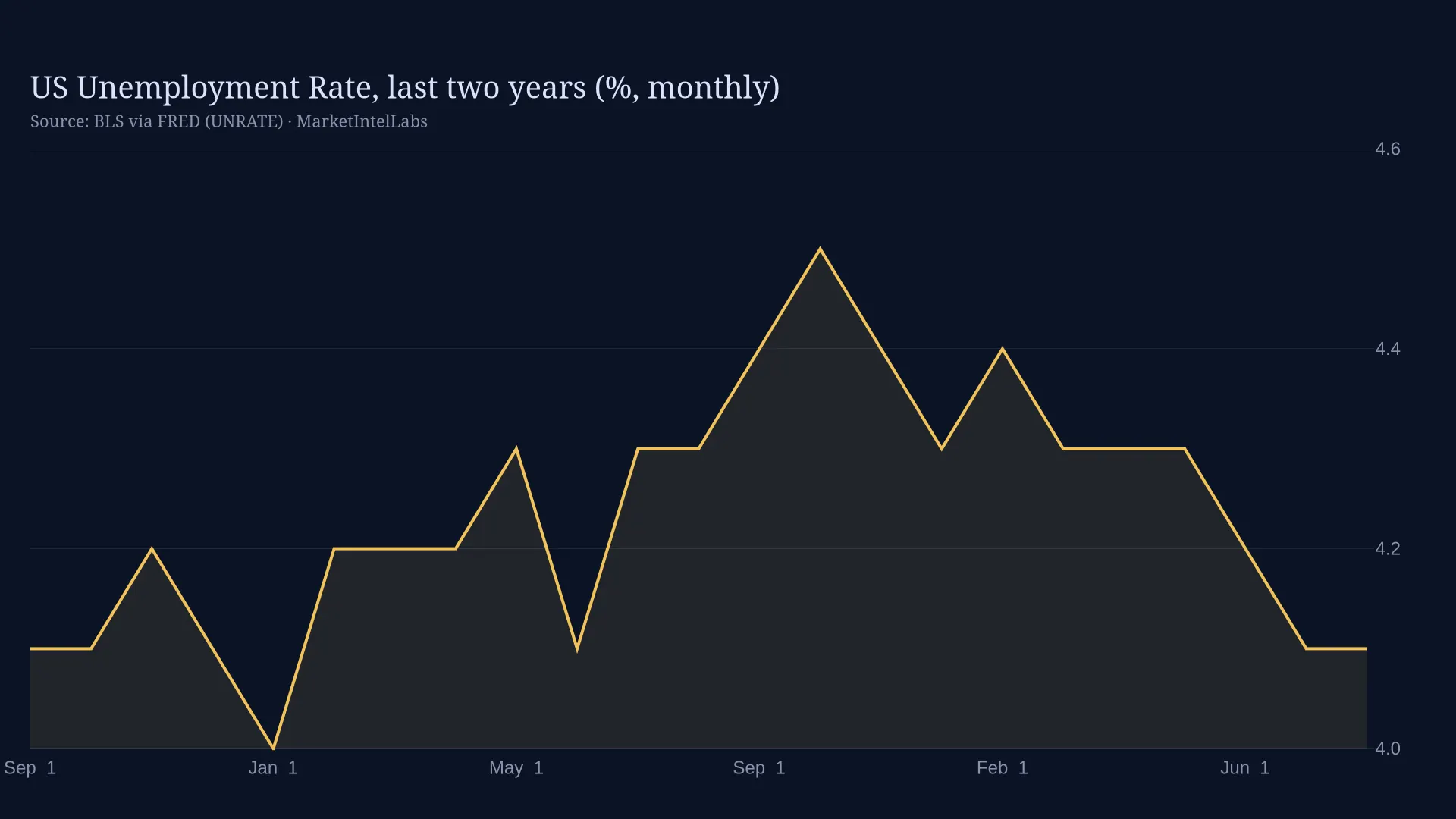
The FOMC raised rates to 3.75 to 4.00 percent on September 16 while the underlying jobs data shows unemployment falling, openings rising, and payrolls accelerating.

The Fed's first hike in three years pins the policy rate at 4.1 percent through 2027, and the AI buildout's borrowed money now reprices against it.

Five Section 338 proclamations published September 14 ban certain Canadian imports from September 29, and July Census data shows US goods imports from Canada already fell 10% month over month.

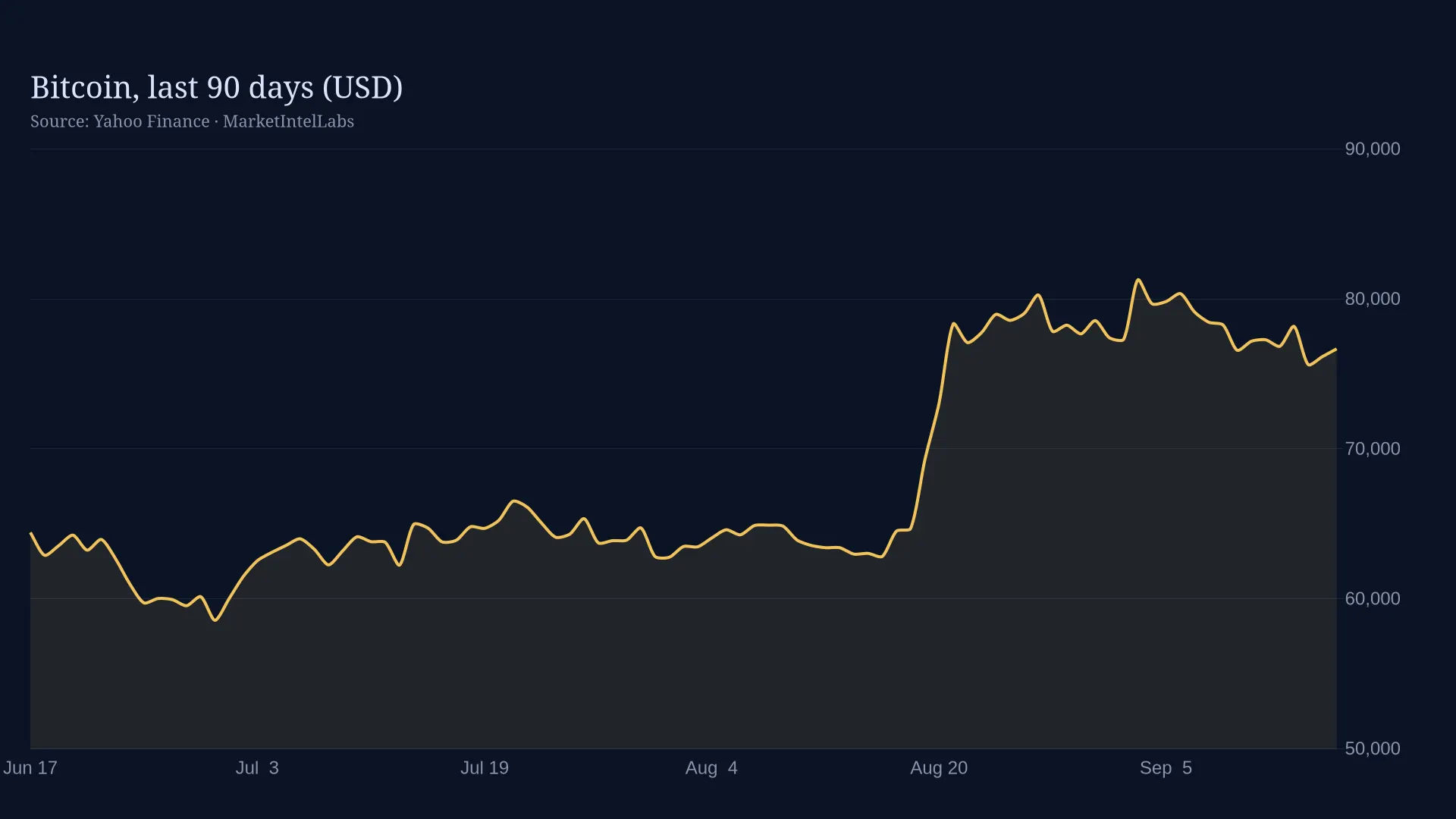
Bitcoin's seven-day ETF inflow streak broke with a $51.3M outflow as the Fed hiked. Why it may be a blip rather than a run.

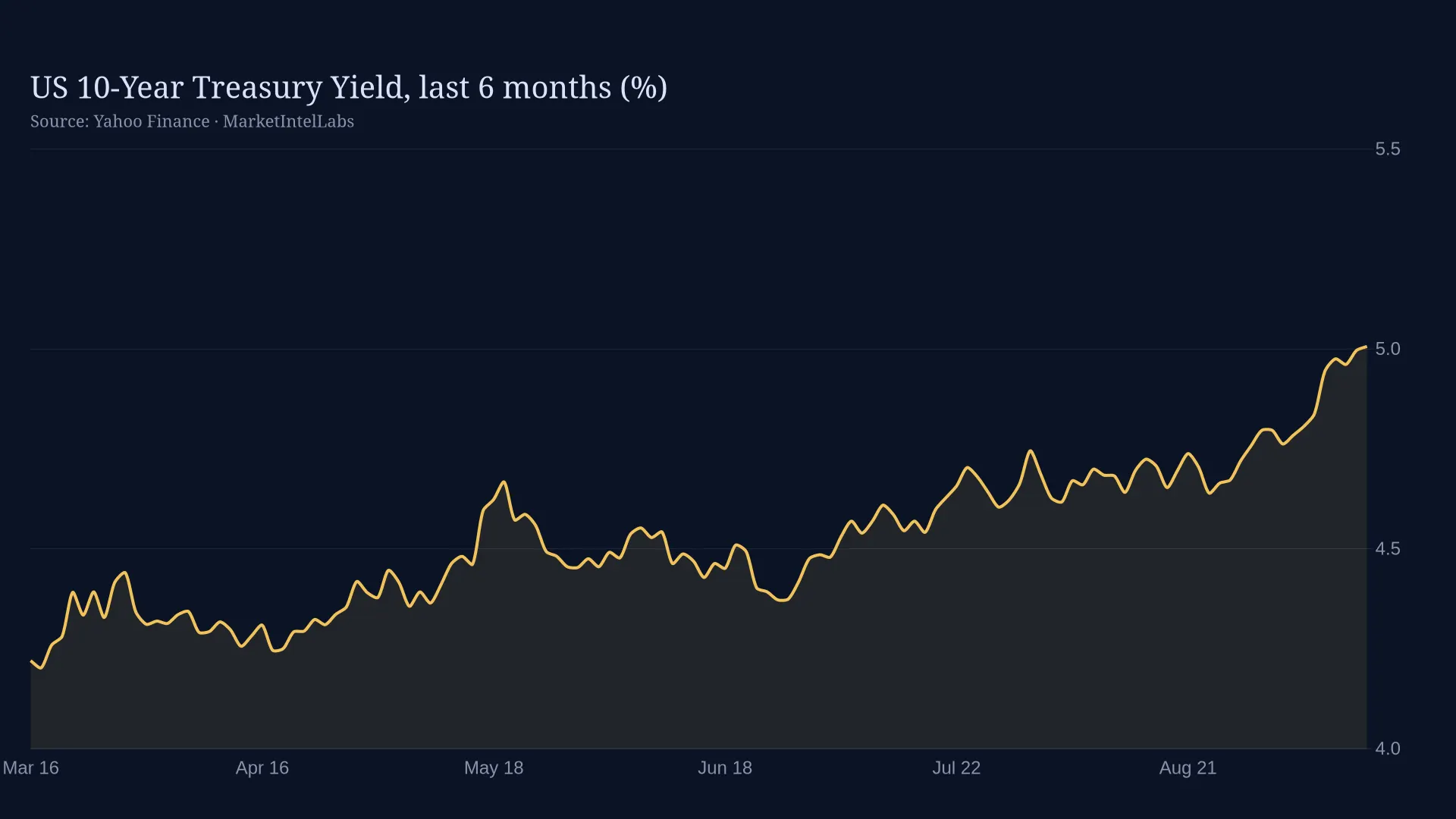
The Fed raised its funds target to 3.75-4.00 percent on September 16, its first hike in more than three years. The 10-year sits above 5 percent and crude above $100, and the committee sees no return to 2 percent inflation until 2029. Here is what a higher-for-longer regime means for rates, equity multiples, and liquidity.

Discover how sector rotation after the Fed's hawkish hike drove financials and energy lower while tech and healthcare held on the thinnest tape of the year.

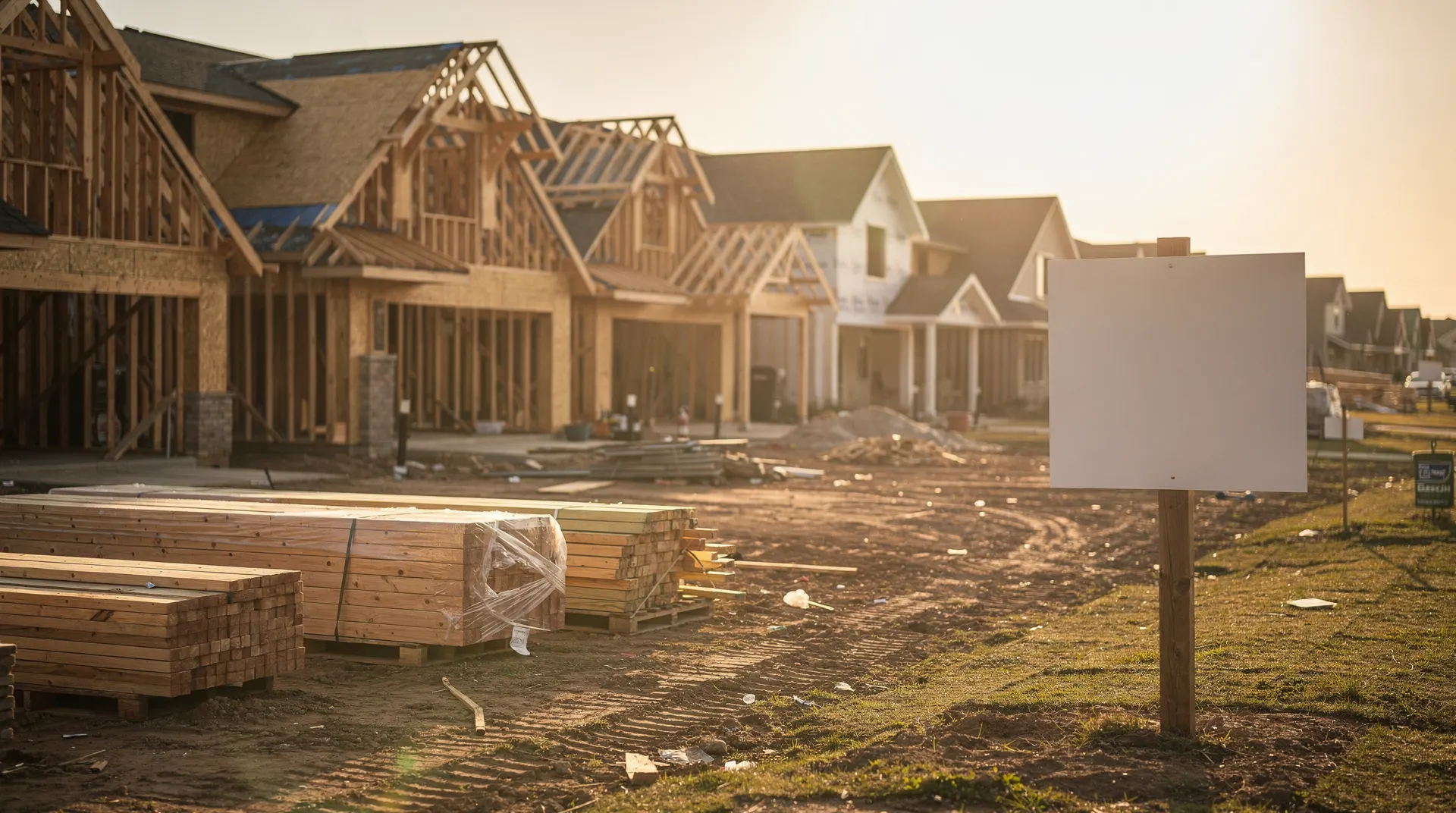
Sixty six percent of builders used sales incentives in September, the widest use on record in the NAHB survey, and the margin math behind the buydowns explains why builder equities sit 20 to 40 percent below their 52 week highs.

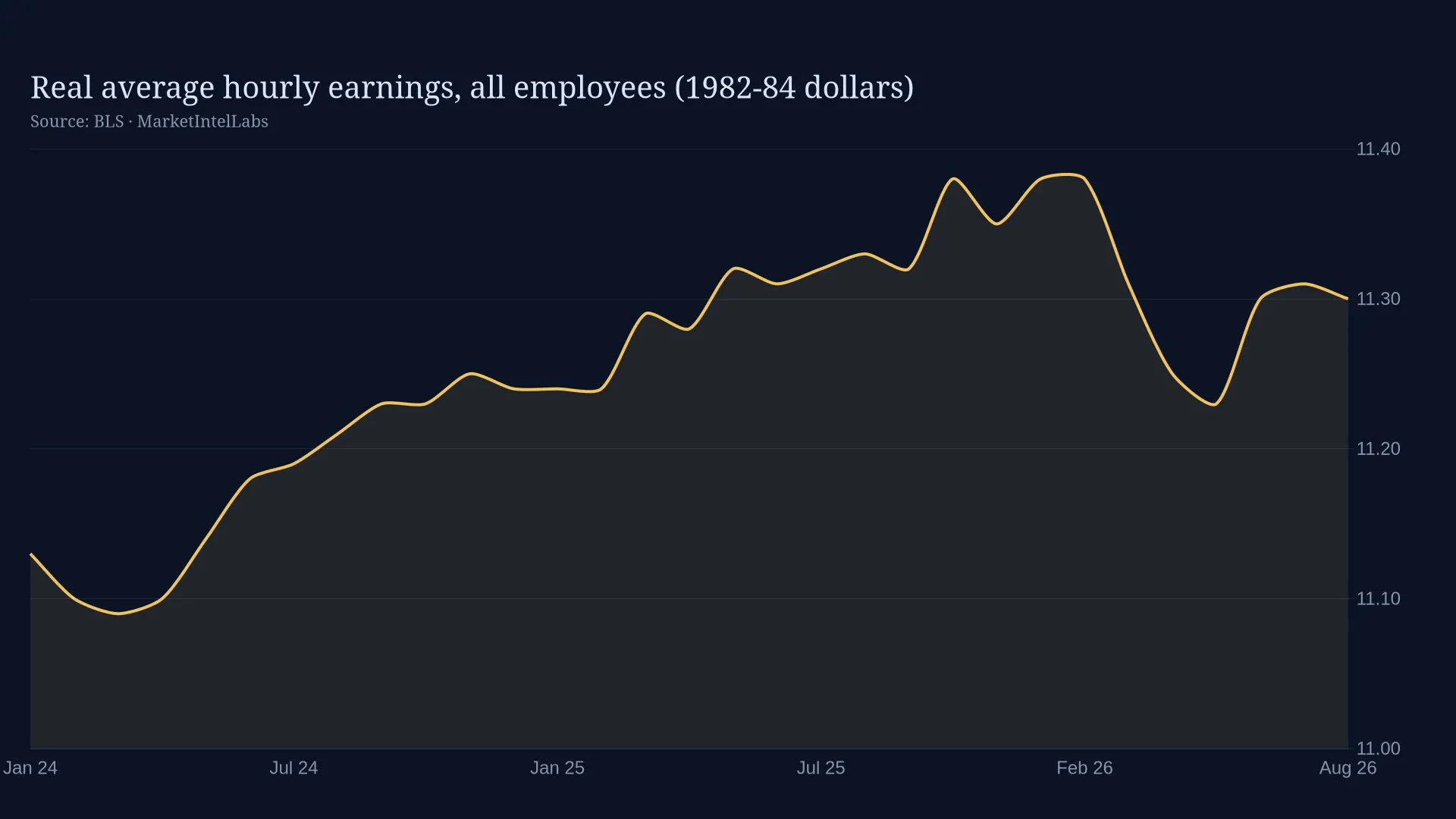
Real average hourly earnings fell 0.3 percent year over year in August to $11.30, and the only reason weekly paychecks grew is that the workweek lengthened.