Waymo pulls driverless taxis off US freeways after California ban

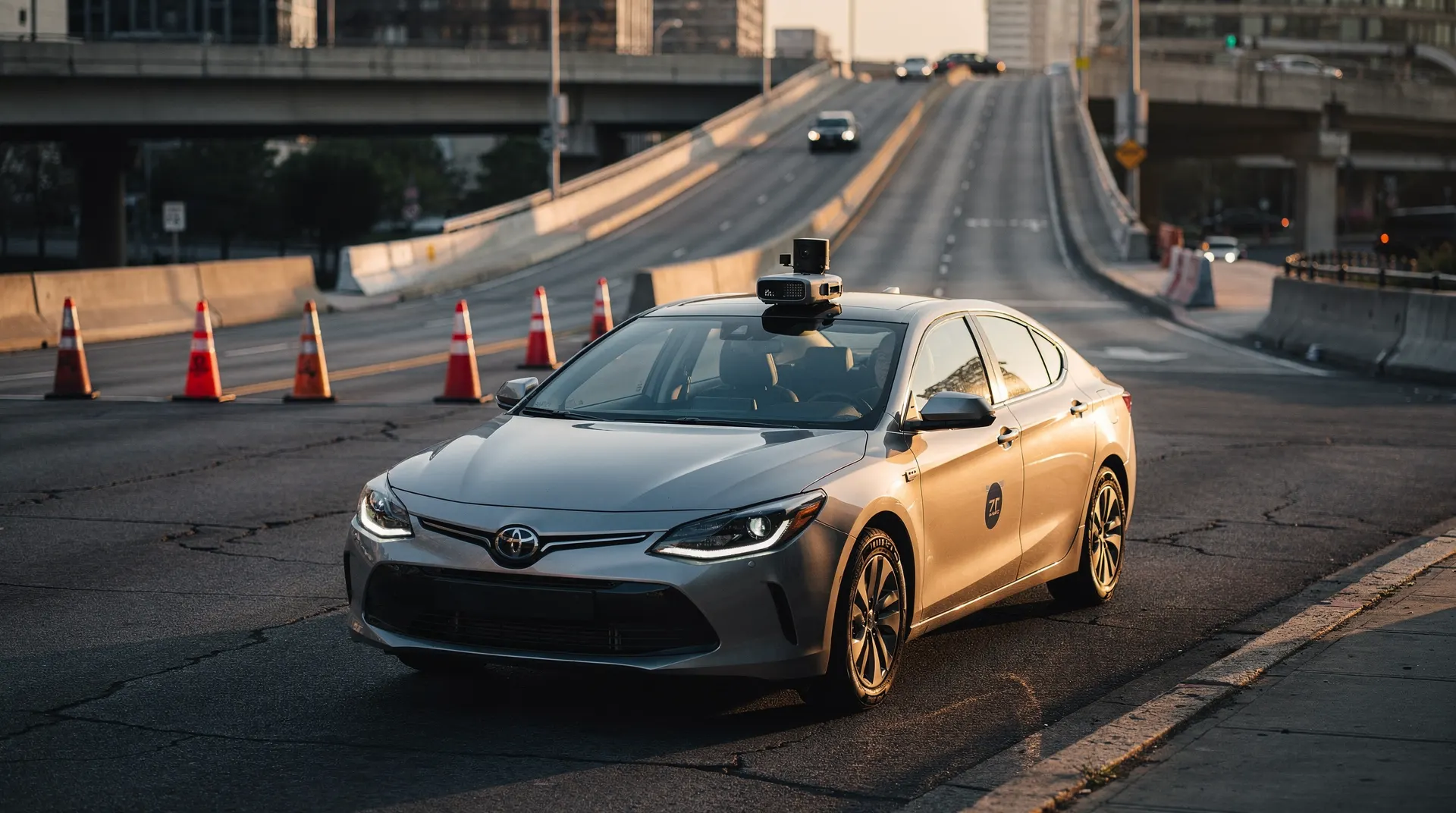
Waymo pulled all of its driverless taxis off U.S. freeways nationwide on November 11, the same day California's Department of Motor Vehicles banned the Alphabet-owned operator's robotaxis from the state's freeways, a temporary suspension that takes the highway portion of Waymo's network offline across San Francisco, Los Angeles, Miami, Phoenix and Austin and leaves the fleet running surface streets only.
The suspension followed two incidents on California freeways. On November 5, three of Waymo's driverless vehicles entered an active construction zone on U.S. 101 near Burlingame, south of San Francisco. The next day, video that circulated widely online showed a Waymo vehicle trying to pass California Highway Patrol vehicles conducting a traffic break, a maneuver used to slow or stop traffic. The DMV's ban bars Waymo from operating and testing its driverless vehicles on California freeways, and the company extended the restriction to commercial freeway rides in every market where it offered the service.
Related reading: SIM Swap Rule Takes Effect: Carriers Face Dec 17 Compliance.
"The Department determined that Waymo's driverless freeway operations pose an imminent hazard to public safety due to recurring incursions by its vehicles into active construction zones where construction workers, vehicles and equipment are present," DMV spokesperson Jonathan Groveman said in a statement. Groveman said the DMV had already imposed restrictions and required corrective action after similar incidents on May 18. Waymo has dealt with two recalls this year tied to the issue: roughly 4,000 vehicles over ignoring road closure signs and cones designating construction zones, and about 3,800 vehicles in a software recall covering slowing on high-speed roads and driving into floodwater. In this case Waymo noted that the recent encounters did not involve any injuries or collisions.
For Alphabet, the change is a narrowing of its fastest-growing transportation asset. Waymo confirmed the suspension affects every market where freeway rides ran, not just California, and said freeway testing continues with trained specialists behind the wheel. Surface-street service continues across its active cities, keeping the core ride-hailing network intact. The loss is the longest, highest-yield trips in the portfolio: freeway rides carry passengers over the distances that generate the largest fares, and their absence compresses how much network Alphabet can monetize per robotaxi until the restriction lifts.
Related reading: Keio ransomware cost: hotel revenue cut 1.8 billion yen.
The regulatory signal travels further than one state. California is the largest market for commercial robotaxis, and its DMV historically sets the bar other states watch. An order grounded in recurring workplace-safety incursions frames autonomous freeway operation as a permission granted conditionally, one a regulator can suspend on safety findings. Competitors that still hold or pursue freeway-capable operations now face a sector where the highway layer of the stack carries demonstrable regulatory chokepoints, which pushes the economics question to who can satisfy state safety reviews rather than who holds the best mapping.
The near-term catalyst is the resumption decision. Waymo said it is working with the California DMV and other state officials diligently and responsibly to bring freeway operations back, and has given no date. The next move is a negotiation between the company and the regulator over what corrective measures satisfy the hazard finding. Investors watching Alphabet will be pricing how long the freeway layer stays dark and whether the restriction spreads to other states that test on interstates. For now the market read is that Waymo's network shrank by its fastest segment, its rivals keep their own approval clocks, and the sector's tolerances are moving.
Related reading: L3Harris shares fell 4% after the FAA tied it to the nationwide ground stop.
Related reading: Nscale IPO filing reveals $5.5 billion debt and a widening loss before a roughly $35 billion listing.
This content is for informational purposes only and does not constitute financial advice. Past performance is not indicative of future results. Consult a qualified financial advisor before making investment decisions.
Get daily intelligence delivered
Create a free account for the Daily Brief every weekday and The Week Ahead every Sunday. No card required.