Oil prices plunge more than 3% as Middle East supply rebounds and Libyan pipeline restarts

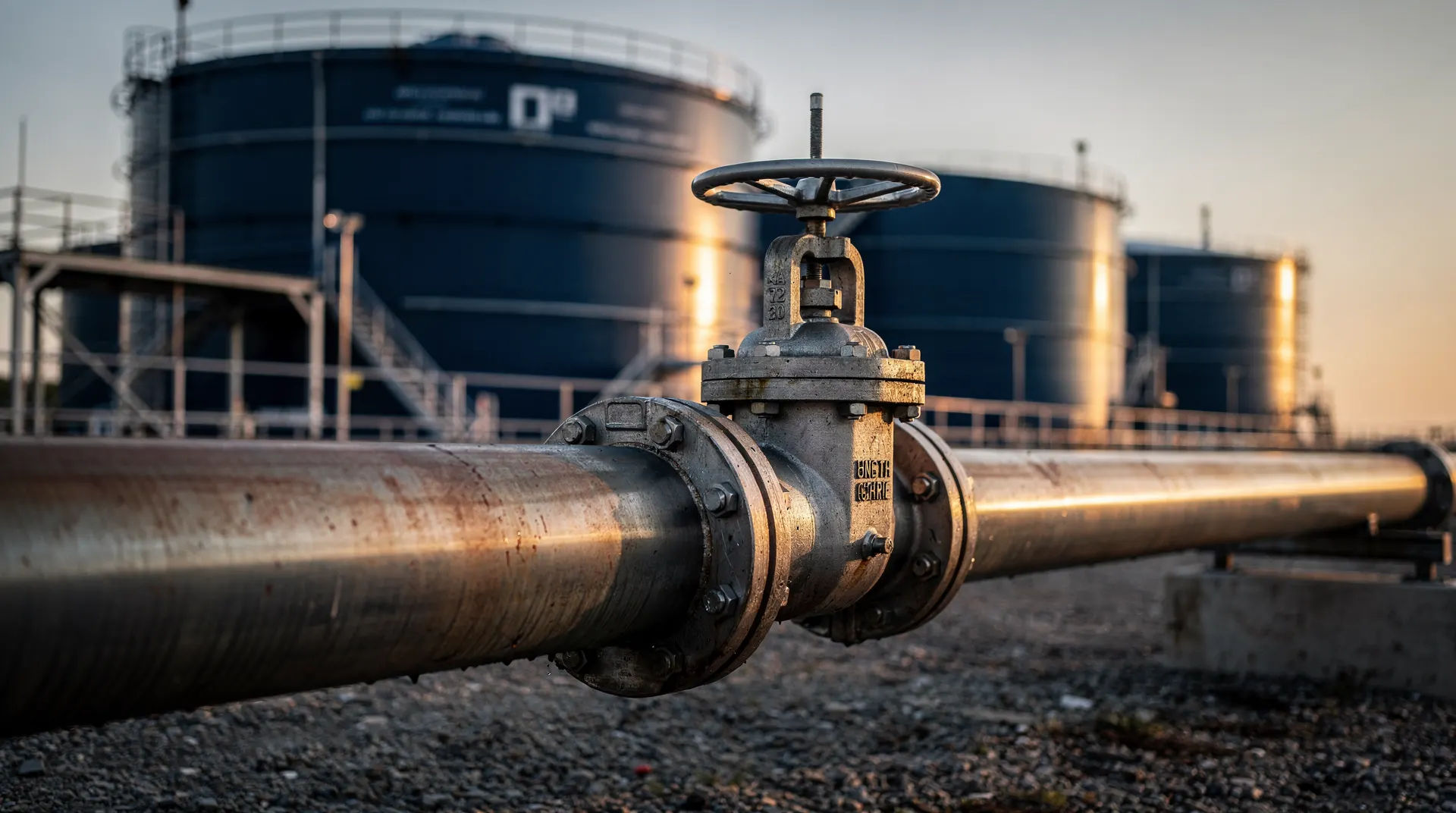
Brent and WTI crude each fell more than 3% in Monday trading as recovering Middle Eastern export flows and the restart of Libya's Sharara pipeline unwound part of the supply-disruption premium that had built over prior weeks. Around 2:15 p.m. ET, West Texas Intermediate was near $80.50 a barrel and Brent near $87, both down more than 3%, according to exchange futures data.
What changed in supply
The story this week is on the supply side. According to Reuters, as carried by Oil & Gas 360 on Nov 23, oil markets have responded to improving export flows from the Middle East. Although regional security conditions remain unsettled, increased shipments have reduced some of the supply concerns that supported prices during earlier disruptions involving Iran and the Strait of Hormuz. The recovery builds on work done this month: separate Oil & Gas 360 reports note Saudi crude exports reached a seven-month high in September and Gulf export volumes have moved back toward pre-conflict levels.
Related reading: US crude falls to $87 a barrel as recovering Middle East exports reset the oil outlook.
In Libya, the National Oil Corporation confirmed that the Sharara oil pipeline has reopened, with crude again flowing into storage tanks at the Akakus facility in Zawiya. That restores an important transportation route after an interruption that had threatened Libyan production and exports, putting a meaningful stream back into an already looser market.
The result was a sharp markdown at the open of the trading week. Exchange futures data around 2:15 p.m. ET showed WTI down about 3.4% to near $80.50 and Brent down about 3.2% to near $87. Oil & Gas 360, tracking the same session, reported Brent at $89.32, down 3.51%, and WTI at $80.44, down 3.56%, around 12:02 p.m. ET, with both benchmarks holding near their lowest levels since late August. The move stretches a three-week decline that has trimmed the war-risk premium built into prices after the autumn disruption window.
For the broader framework, see our crude oil coverage.
Related reading: Oil Price Drops 6% Below $100 as Iran Peace Draft Circulates.
The bullish case has not disappeared. Reuters and Oil & Gas 360 note that the Iran-aligned Houthi movement claimed an attack on a Saudi Arabian refinery on Sunday, while maritime authorities reported multiple incidents involving commercial vessels near the Gulf and Strait of Hormuz. Bahrain also reported an attack on an industrial facility. These are claims and incident reports, not confirmed supply losses, and that distinction matters for the price path. Bank of America has cautioned that relatively low global inventories leave markets vulnerable to renewed disruption. And Ukrainian officials reported continued attacks on Russian refining and pipeline infrastructure, with adverse weather and drone activity delaying some Russian crude shipments through Baltic and Black Sea terminals.
For U.S. exploration and production companies, sustained price weakness pressures drilling economics, operating cash flow and capital spending plans. Producers with lower operating costs and stronger balance sheets keep more flexibility on shareholder distributions and new investment. Refiners gain from cheaper feedstock and improved crude availability, though their profitability still depends on product demand and refining margins. For households, softer crude feeds through to lower gasoline and heating costs over time, a consumer-side benefit that tends to arrive with a lag.
Related reading: Oil prices ease on renewed diplomacy but the supply risk premium stays: Isaias cuts Gulf output as Russian refinery strikes mount.
What to watch
The November 29 OPEC+ meetings are the near-term catalyst. Producers are expected to discuss their 2027 output strategy, and that decision shapes whether this week's slide develops into a sustained period of lower prices. JPMorgan already forecasts futures could decline into the upper $70-per-barrel range in the first half of 2027, citing increased Middle East production outside Iran and additional supply from the Americas, particularly the United States.
Related reading: Oil Prices Plunge 9% on Democratic Sweep and Iran Peace Hopes; WTI Falls to $87.74.
This content is for informational purposes only and does not constitute financial advice. Past performance is not indicative of future results. Consult a qualified financial advisor before making investment decisions.
Get daily intelligence delivered
Create a free account for the Daily Brief every weekday and The Week Ahead every Sunday. No card required.