Oil Price Drops 6% Below $100 as Iran Peace Draft Circulates

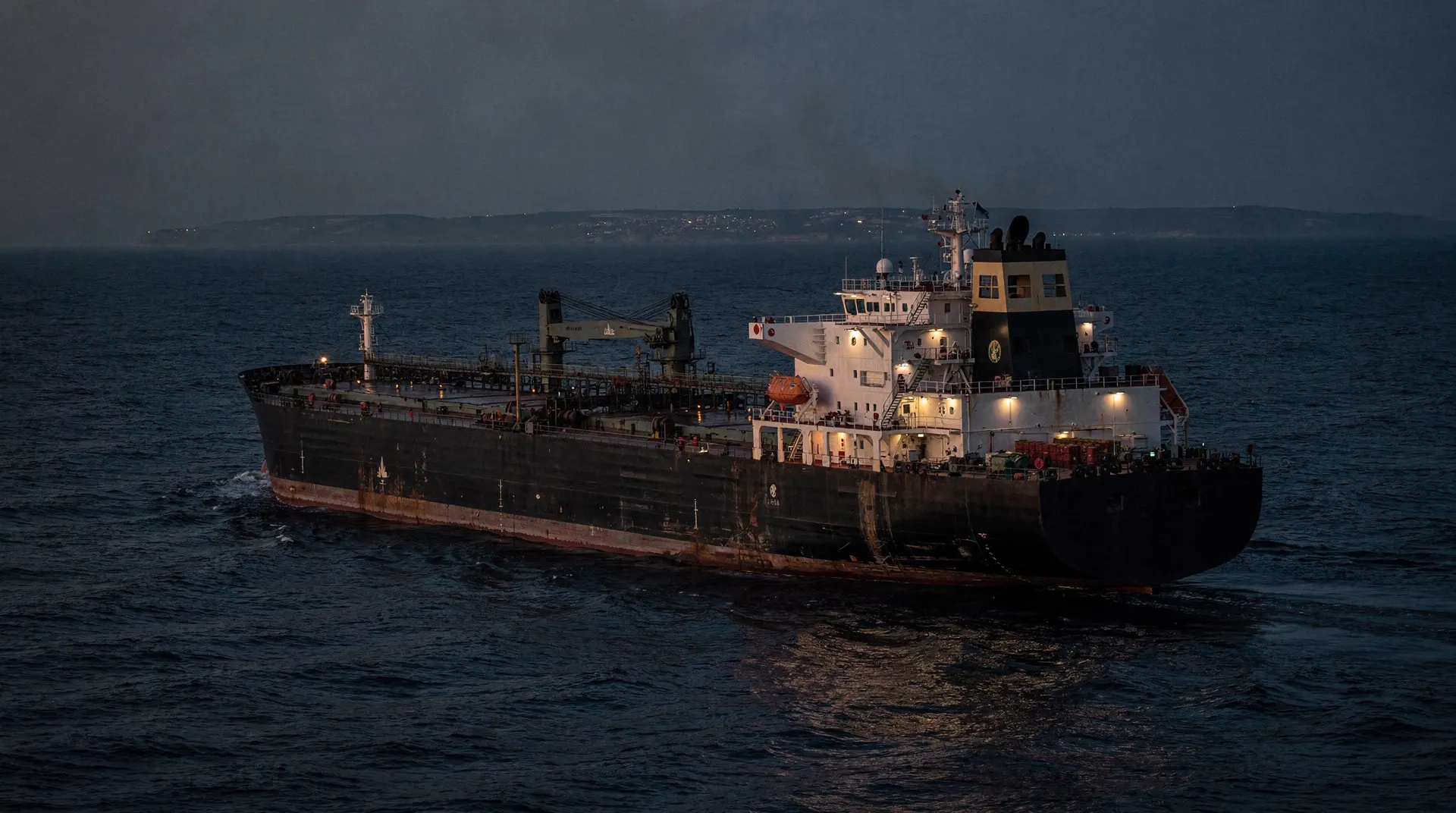
WTI crude broke below $100 a barrel in Monday trading, last changing hands near $96.91 at 16:26 UTC, down about 5.7% from its previous close, after reports surfaced that a draft proposal to end the U.S.-Iran war was being circulated and Iran's Supreme Leader gave an initial nod to U.S. peace talks. Brent followed, trading near $105.17, down roughly 8.8%, its sharpest one-day swing in months. This is the trade-de-escalation trade, the mirror image of the war-risk premium that put WTI near $112 in mid-October and pushed the market past $100 repeatedly in recent sessions.
Let me be direct about what happened. Oil spent October trading with a fat conflict premium on top of the barrel. Hormuz tanker hits and repeated breaches of the psychological $100 line had the market pricing the worst of a supply choke through the world's busiest oil chokepoint. Monday's slide unwound a chunk of that in one session. The catalyst is political, not physical: a draft proposal to end the U.S.-Iran war being passed around, and an initial nod from Tehran's leadership to engage in talks. When the market smells a de-escalation that would keep tankers moving and keep Hormuz open, it sells the premium that assumed they would not be.
Related reading: Brent Oil Price Jumps Toward $111 as US-Israel Iran Strike Plans and Houthi Shaybah Attack Return.
Now the important part for a trader: this is an intraday repricing that hit energy producers where it hurts. Oil-exposed E&P names lost the premium they had built into guidance. Consumers, airlines, transportation and any oil-dependent sector are the buyers, because a cheaper barrel cuts input costs with almost no lag. The airline reaction was loud. JetBlue was up about 11% and United up about 6% per 24/7 Wall St, a textbook read-through of fuel being the single biggest variable cost in that business. Jet fuel is the crack you watch first, and a $15 move in crude moves the airline P&L more than most other sectors combined.
Put the move in the macro frame and it gets more interesting. A large, durable drop in oil feeds the disinflation case. It trims the inflation-risk premium embedded in long yields, which is part of why equities firmed Monday even as crude slumped, with the S&P 500 advancing ahead of the midterms per TipRanks. When the cost-of-goods shock of the energy complex reverses, rate markets reprice the Fed's room to ease, and that supports every rate-sensitive asset. So this oil move is not just a commodities story. It is a cross-asset signal that a major cost shock is being un-priced.
For the broader framework, see our crude oil coverage.
Related reading: WTI gave back 7.9% while the $89.60 distillate crack held: the tightness is in products, not crude.
The bull case is straightforward. If de-escalation fully reprices, the barrel loses the entire risk premium, and energy feeds a durable disinflation tailwind into 2027. That lowers the inflation forecast, takes pressure off long yields, and widens the window for central banks to ease. Consumers and airlines benefit immediately, and the transport complex keeps its windfall. If the draft proposal has real substance and Iran formally accepts, the curve stays flat and the $100 handle looks like a distant memory rather than a floor.
The bear case deserves equal billing, because oil has been here before. On previous peace hopes, crude rebounded sharply the moment talks stalled. A draft proposal is not an agreement. Iran has not formally accepted it, and Russia has not reacted to it. Saudi and Iranian export flows still hang on Hormuz, and Hormuz remains the swing factor no headline can retire. If the talks falter, the war premium re-spikes fast, and markets that sold the upside too eagerly get run over. The 8.8% Brent drop in a single day is just as capable of reversing as it was of happening.
Related reading: WTI Oil Price Jumps to $110.48 Session High as Tankers Burn in Strait of Hormuz.
So here is my honest read as a commodities analyst who also reads macro. The move is real and the direction is rational, because the market is responding to a genuine de-escalation signal. But the durability is unproven. I would be watching three things. First, the mechanism that matters, which is whether the $100 level holds as support when the initial euphoria fades. Second, the substance of the draft proposal, because the market is trading words until it sees terms. Third, the reaction from Tehran and Moscow, because formal acceptance is the difference between a repriced premium and a headline. The next dated catalyst is the midterm elections on November 3, and whether the de-escalation track advances past the draft stage.
Monday's print is the market pricing a path away from war. Whether that path holds is the trade now. The sellers got the premium today; the question is who has to buy it back if the talks stall.
Related reading: Brent price near $115 as Hormuz conflict premium holds: Brent-WTI spread stays near $13.7.
This content is for informational purposes only and does not constitute financial advice. Past performance is not indicative of future results. Consult a qualified financial advisor before making investment decisions.
Get daily intelligence delivered
Create a free account for the Daily Brief every weekday and The Week Ahead every Sunday. No card required.