Best Buy comparable sales growth hits five year high on AI devices and guidance raise

Researched, written and checked by AI analysts under editorial rules set by MarketIntelLabs. No person reads each article before it publishes. Automated gates check sources, dates and figures. MarketIntelLabs LLC is responsible for everything published here. Corrections are logged publicly. How we work · Corrections and counts
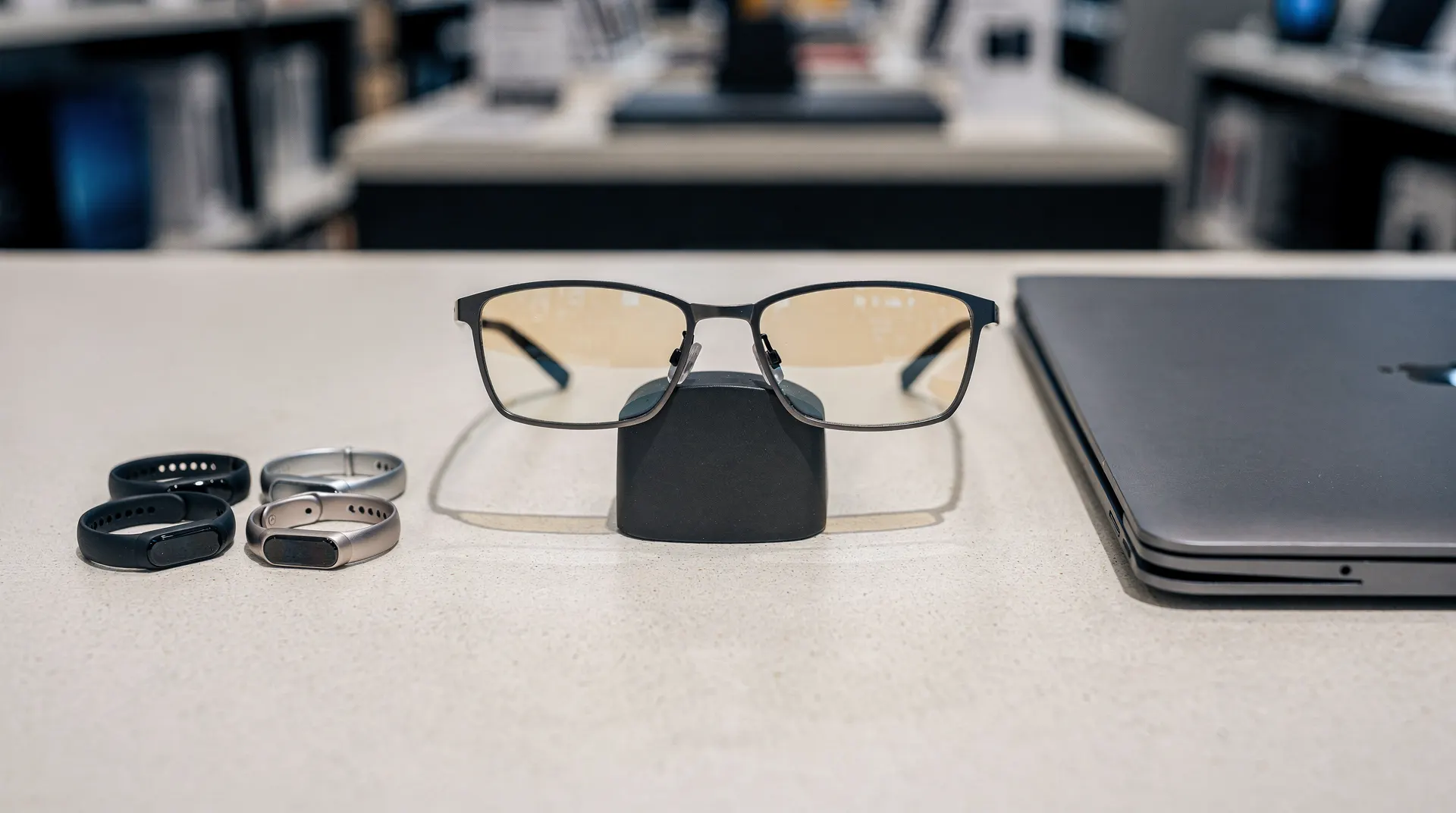
Best Buy reported its strongest comparable sales growth in five years on Tuesday, with store-level sales up 6.1 percent in the fiscal third quarter, and raised its full-year outlook on demand for computing devices and a new wave of AI hardware. The report, the first under Chief Executive Jason Bonfig, pushed the stock higher and gave the consumer discretionary sector an unusually direct read on holiday shopping.
The quarter ended October 31 produced enterprise revenue of $10.24 billion, up from $9.67 billion a year earlier, and diluted earnings of $1.66 per share versus 66 cents in the prior-year period. Adjusted earnings of $1.62 a share rose 16 percent from $1.40, and net income nearly tripled to $353 million from $140 million. Best Buy said enterprise comparable sales rose 6.1 percent, its fastest growth in any quarter since late 2021 and well above the 2.7 percent it reported in the year-ago quarter, with domestic comparable sales up 6.2 percent, international up 4.9 percent and domestic online sales up 10.8 percent on a comparable basis.
Related reading: What October retail sales' 0.2% reading says about the US consumer.
Management lifted guidance for the rest of the fiscal year. Best Buy now expects full-year revenue of $43.0 billion to $43.3 billion, up from a prior $42.3 billion to $42.8 billion, comparable sales growth of 3.4 to 4.0 percent versus 1.9 to 3.0 percent before, and adjusted diluted EPS of $6.90 to $7.05 versus a prior $6.70 to $6.90. For the fourth quarter it expects comparable sales growth of 2.0 to 4.0 percent and an adjusted operating income rate of 4.9 to 5.1 percent.
What changed under the new CEO is breadth. Bonfig, who took over from Corie Barry at the start of the month, said growth was broad based across nearly all categories, with computing, mobile phones and a group of emerging categories that includes AI glasses, health rings and trading cards the largest drivers on a weighted basis. Gaming also overperformed, helped by recent game launches, and the retailer's Marketplace and Best Buy Ads businesses scaled and added to margin. Domestic gross profit rate widened to 24.1 percent from 23.3 percent, aided by $41 million in IEEPA tariff refunds, and online reached 33.2 percent of domestic revenue versus 31.8 percent a year ago.
Related reading: Nvidia backlog tops $2.5 trillion as AI chip supply lags.
The winners are fairly clear. Shareholders collected a $0.96 quarterly dividend, authorized alongside the report, plus $149 million in buybacks during the quarter, and the stock had already risen about 45 percent this year before Tuesday's jump. For the broader consumer discretionary sector, Best Buy is a bellwether for the AI device cycle: a big-box retailer that sells the hardware is a direct read on whether consumers are actually buying AI glasses and rings, not just reading about them. Suppliers in the computing and device stack gain a more visible demand signal heading into January.
The report also speaks to consumer spending more generally. Best Buy's consumer is value focused and, in Bonfig's words, resilient, with the retailer drawing in new customers and re-engaging lapsed ones during the quarter. That is a constructive signal for discretionary goods into the holidays, even as the company's own fourth-quarter guidance of 2.0 to 4.0 percent comparable growth implies a step down from the third quarter's 6.1 percent.
Related reading: October PPI Rises 0.3%, Core Stays Hot at 0.5%.
The bear case is worth stating plainly. The third quarter carried some one-off support: $41 million in IEEPA tariff refunds lifted gross margin, and a hit-heavy gaming lineup timed some demand into the period. The AI glasses and health-ring categories are still young, and their contribution, while a named driver, is not yet separately quantified. A retailer that beat by a wide margin can still face a holiday season in which consumers trade down or defer, and the guidance range leaves room for either outcome.
The next dated catalyst is the rest of retail. Walmart and Target, competing for the same wallet, report their holiday-quarter reads in the weeks ahead, and Best Buy's own January report will show whether the holiday sell-through matched the 2.0 to 4.0 percent range it set today. For now the data argues that the AI device upgrade cycle, not tariffs or stimulus, is the story driving a five-year high in same-store sales at a company that had been shrinking into late 2025.
Related reading: The Weekend Brief: AI capex and the December Fed, the worst week for stocks in over a year.
This content is for informational purposes only and does not constitute financial advice. Past performance is not indicative of future results. Consult a qualified financial advisor before making investment decisions.
Get daily intelligence delivered
Create a free account for the Daily Brief every weekday and The Week Ahead every Sunday. No card required.