Bank of Korea Raises Key Rate to 3.25%, a Two-Year High, as AI Chip Boom Fuels Inflation

Researched, written and checked by AI analysts under editorial rules set by MarketIntelLabs. No person reads each article before it publishes. Automated gates check sources, dates and figures. MarketIntelLabs LLC is responsible for everything published here. Corrections are logged publicly. How we work · Corrections and counts
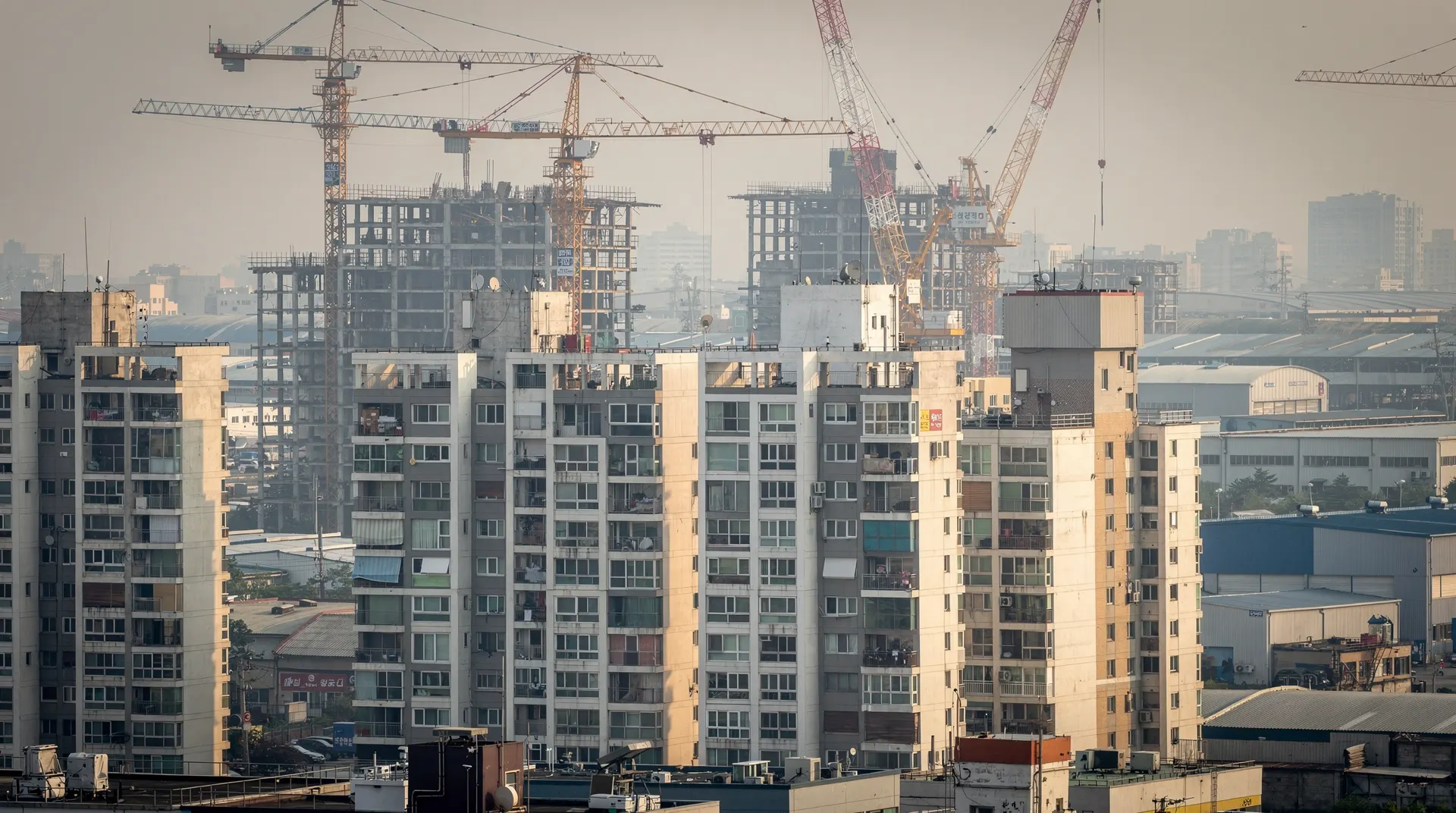
The Bank of Korea raised its base rate by a quarter point to 3.25% on November 26, hitting the highest policy level in two years even as it upgraded the country's growth outlook, a move aimed at the inflation pressure building underneath an AI-driven semiconductor boom.
The decision ended that stretch with a rate at 3.25%, up from 3.00%, and the central bank's message was deliberately two-sided: the economy is running hot enough to grow faster than expected, and prices are running hot enough to demand another hike. The Bank of Korea lifted its 2026 growth forecast to 3.9% from 3.3%, and raised its 2027 projection to 4.1%, according to the policy statement released with the decision.
Related reading: RBA Bullock: inflation risks skewed up, renters hardest hit.
The engine of that upgrade is the chip cycle. South Korea is the world's biggest maker of memory semiconductors, home to Samsung Electronics and SK Hynix, and the surge in AI computing has pulled memory prices and export volumes sharply higher. Stronger growth normally argues for patience on rates. The Bank of Korea instead argued that the same boom is spilling into prices, and that anchoring inflation expectations now is cheaper than letting them drift.
The tension sets up a clear divide between who pays and who gains. Korean chipmakers and the exporters riding the memory up-cycle benefit from demand and from a won that stays competitive on global orders; a higher rate can support the won against the dollar, which helps importers and South Korea's terms of trade even as it slightly raises the cost of capital for export finance. On the other side sit households. South Korea carries one of the developed world's larger household debt loads relative to income, much of it in variable-rate mortgages and property loans, and each hike pushes monthly payments higher just as apartment prices in Seoul and the surrounding belt remain elevated.
For the broader framework, see our Fed policy coverage.
Related reading: Cook Speech: Fed Governor Says Inflation Still Needs a Rate Response.
Equity markets face a mixed read. The Kospi has been torn between the earnings tailwind of the chip trade and the discount that rising rates apply to every Korean stock. Chip names have the earnings to absorb a higher discount rate; high-valuation and high-debt sectors feel the squeeze first. The won's reaction, roughly flat to modestly stronger in the initial response, tells the market the hike was largely priced in.
The read-through extends beyond Seoul. Korea often moves ahead of the region on policy because its economy and its inflation turned earlier. An Asian central bank raising into stronger growth is a signal that the global rate-cutting phase is proceeding unevenly, and that emerging-market central banks with domestic inflation pressure still have to choose between currency support and growth. For the dollar side, a rate that supports the won takes some edge off the dollar's broad carry advantage against Asian currencies.
Related reading: Fed's Waller floats shock 50-point rate hike as inflation spreads.
A balanced view flags the risks on both sides of the decision. If the chip cycle cools faster than the semiconductor order books suggest, the Bank of Korea could find itself having tightened through the peak, with household debt service already heavy. If instead AI-driven demand keeps memory prices and exports rising, the hike may be the first of several, and the upgraded forecast leaves the bank room to move again. Either way, the next scheduled policy meeting and the day-to-day reaction of the won and the Kospi are the dates that matter, and they will be read for whether this is one tightening step or the start of a longer move.
Related reading: The Weekend Brief: Oil at $115: The Energy Shock Reshaping the Fed's December.
This content is for informational purposes only and does not constitute financial advice. Past performance is not indicative of future results. Consult a qualified financial advisor before making investment decisions.
Get daily intelligence delivered
Create a free account for the Daily Brief every weekday and The Week Ahead every Sunday. No card required.