SpaceX data center: $24B air permit, tax break rejected

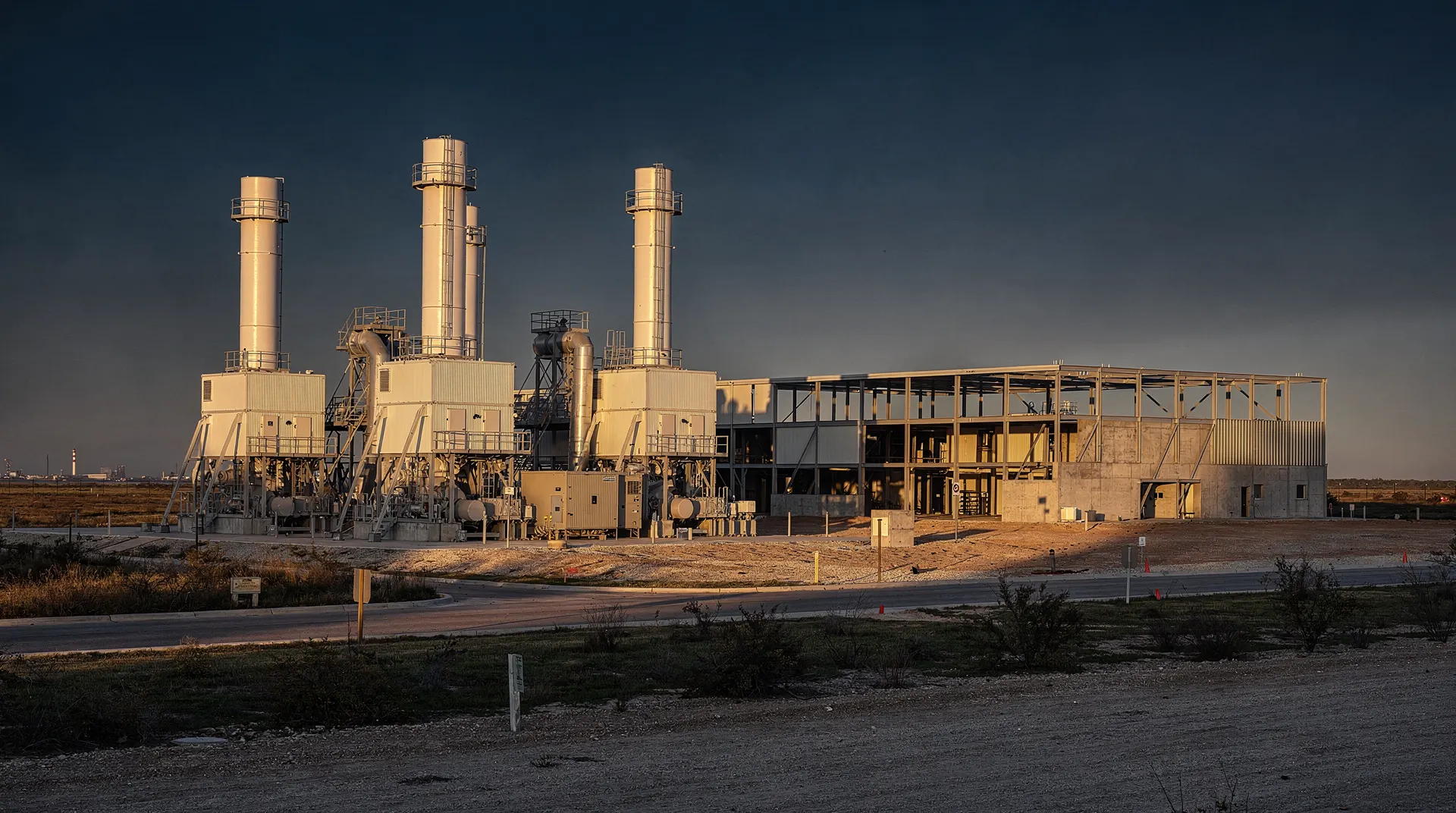
SpaceX cleared the biggest regulatory hurdle on the AI buildout it is planning at its Starbase headquarters when the Texas environmental agency issued an air permit for a gas-fired power plant feeding a $24 billion computing campus. Days later, the county that hosts the site refused the property tax abatement the company said the project economics depended on. The two decisions, taken together, show how fast the private AI infrastructure buildout is moving in Texas and how local governments are starting to price in its cost.
The air permit, issued by the Texas Commission on Environmental Quality, covers 35 natural gas-burning turbines producing about 750 megawatts at a 444-acre site inside the Starbase city limits near Boca Chica, according to a copy of the permit obtained by the environmental group FracTracker Alliance and shared with Politico. The grant was the state's first data center air approval since Governor Greg Abbott in September ordered the agency to pause all data center permitting while the grid operator ERCOT collected information on how large computing facilities affect the Texas power system. TCEQ said ERCOT had supplied the data and that the agency had resumed its normal review process.
Related reading: SpaceX AI Data Centers: $74 Billion Supercomputing Push in Texas, Arizona.
The numbers on the table are large even by hyperscaler standards. Bloomberg reported that SpaceX would build, own and operate both the compute campus and the power plant, a structure that keeps the facility off the ERCOT grid entirely while capping the company's exposure to whatever regulators decide the grid must absorb. The $24 billion attributed to the project is the initial phase, and the public hearing notice SpaceX filed notes the project could include future expansions. CRE Daily put SpaceX's total data center push at roughly $74 billion, with about $50 billion in Arizona and the $24 billion Texas build within it.
What makes the permitting sequence notable for the AI market is the sequence itself. The state moved the air permit forward within days of an environmental complaint alleging that construction began at the site without a permit, a filing by FracTracker and Public Citizen. SpaceX separately faces a federal lawsuit in Mississippi alleging it has been powering a second Memphis-area data center for more than a year without Clean Air Act permits. The company has argued in both cases that its mobile turbines may operate a year without a permit. TCEQ disputed that reading for the Starbase plant and approved the installation as a permitted facility.
Related reading: Google Malaysia data center investment hits $15 billion for 2027 and 2028.
Then the county pushed back on the subsidy. Cameron County commissioners voted 3-2 not to advance a 10-year, 100 percent property tax abatement for the project, a request made under a Texas economic development chapter. Commissioner Joey Lopez, who voted for the abatement, told KRGV there would be no second meeting and that "the request is dead." The rejection is nonbinding and does not block construction, but it removes the tax cushion SpaceX said it wanted, and SpaceX responded that it is weighing other sites in the county and argued Texas property tax rates are less competitive than other states.
The broader read for AI investors is that power and permitting, not chip supply, are becoming the binding constraints on the next wave of AI capacity. Texas is the largest US data center market along with Virginia, and its answer to a strained grid has been to let operators build their own generation, then hand those projects air permits under the 250-ton nitrogen oxide threshold that triggers a public hearing. The grant to 35 turbines producing 750 megawatts sits just under that line, which keeps the review administrative rather than contested. That is regulatory latitude, and it is exactly the kind of thing local governments are starting to claw back.
Related reading: GDS Q3: capex cut to RMB8.5B, data center utilization 81.2%.
What is dated next: a public hearing on the tax abatement was scheduled for December 9, though the county vote has made that path effectively moot. The company's response to the rejection, whether it shifts the campus to another county or proceeds at Starbase without the abatement, will be the near-term signal. Construction timing, the fourth quarter of 2026 through the second quarter of 2027, is the schedule against which to judge whether the permitting delays stall the AI power the project was meant to supply.
Related reading: SpaceX Data Center Satellites Approval Explained: What FCC Allowed.
This content is for informational purposes only and does not constitute financial advice. Past performance is not indicative of future results. Consult a qualified financial advisor before making investment decisions.
Get daily intelligence delivered
Create a free account for the Daily Brief every weekday and The Week Ahead every Sunday. No card required.