September CPI Runs 3.7% as Energy and Shelter Stretch Household Budgets

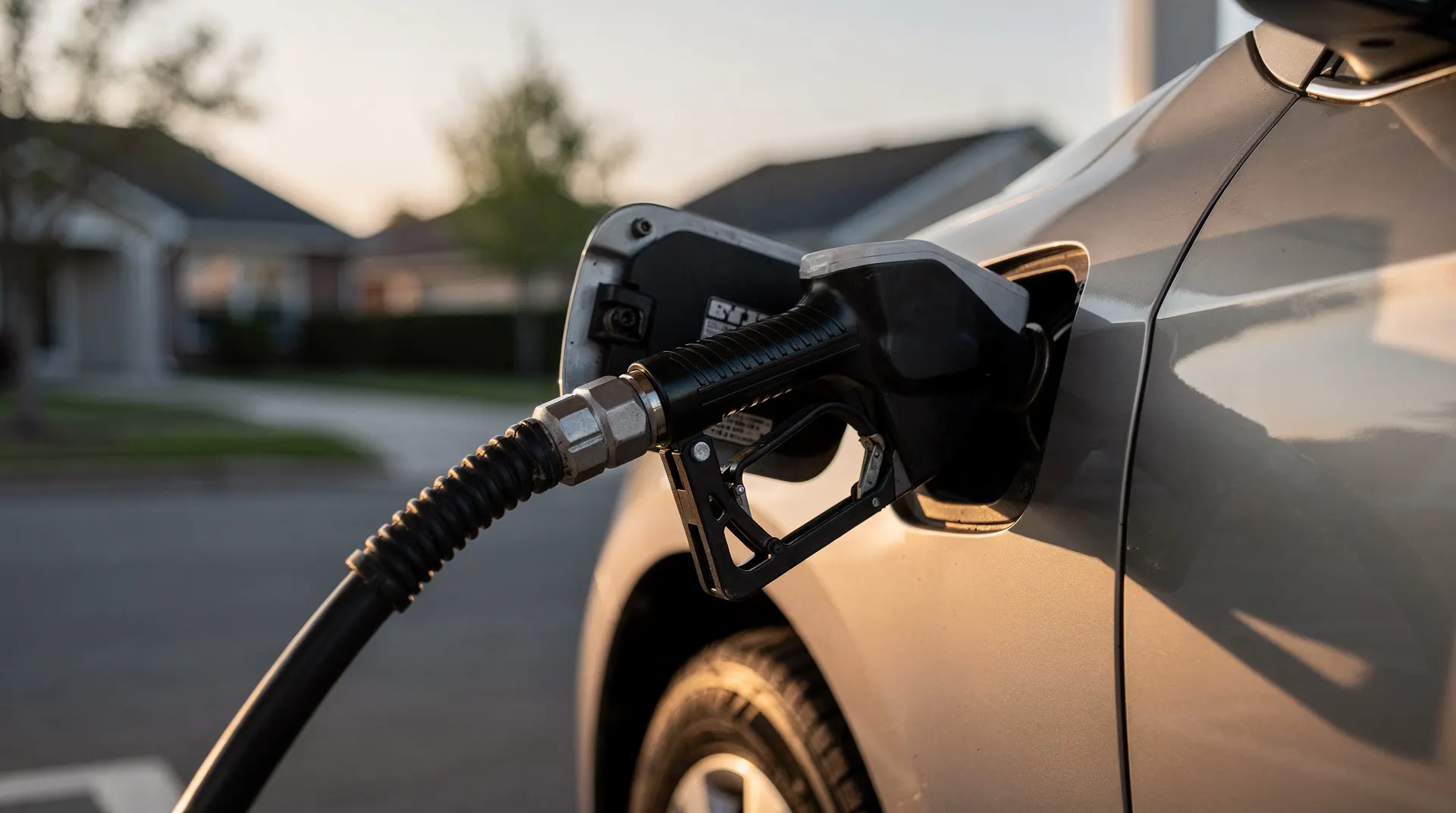
The September inflation report put a concrete number on what households have felt all month: prices rose 3.7% from a year earlier, and the energy line alone added 3.7% in a single month. For the average U.S. household, that is the difference between filling the tank a few times with change left over and watching the register total climb each week.
The headline consumer price index stood at 336.298 in September, per the Bureau of Labor Statistics. Push the numbers into monthly terms and the picture is unmistakably energy-led: gasoline and other energy services drove most of the 0.65% monthly bump, while shelter contributed a steadier 0.34% and food at home all but held still at 0.1%. Strip food and energy out, and core inflation ran a more moderate 0.33% for the month and 2.6% from a year earlier.
Related reading: Gas Falls to $4.35, but Household Inflation Stays Hot.
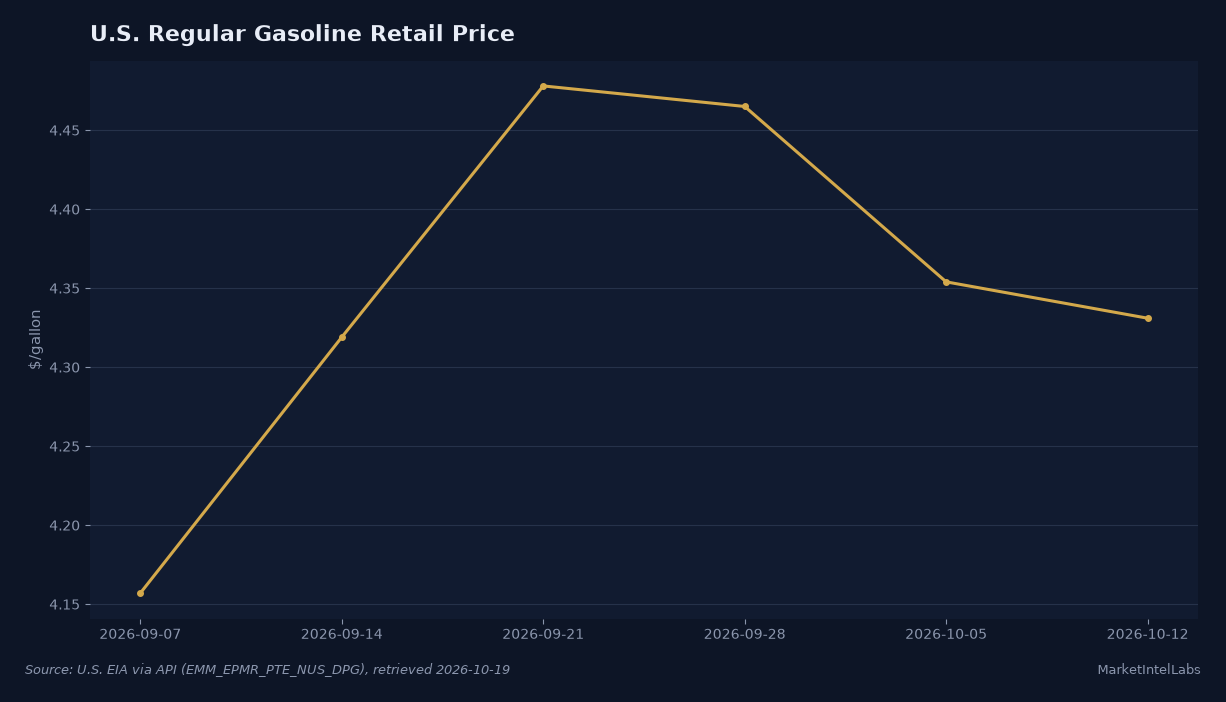
The gasoline chart tells the household story in dollars. Regular gas sold for about $4.16 a gallon in the first week of September, climbed to $4.48 by late September, and by the week of October 12 stood at $4.33, per Energy Information Administration retail data. A driver putting 15 gallons in a tank once a week is paying roughly $60 a fill-up now, about $2.50 more than at the start of the month and $25 more than a typical late-summer baseline. Diesel, which feeds freight and the cost of everything that ships, ran about $6.18 a gallon, down from a late-September spike near $6.53.
Mortgage rates are the second place the September numbers hit a household budget. The average 30-year fixed rate reached 7.40% in the week of October 15, up from 6.66% in late July and 7.03% in late September, per Freddie Mac data. On a $400,000 loan, that move adds roughly $199 a month. For anyone shopping for a house right now, the cost question is not going away: a higher rate and still-elevated prices mean a larger share of each paycheck goes to housing before a single utility bill is paid.
For the broader framework, see our Fed policy coverage.
Related reading: September CPI report: gasoline up 9.1% and a fill-up now costs $14 more than a year ago.
Housing and energy combined are the two heavy lines in most family budgets, and September brought pressure in both. The shelter index rose 0.34% for the month, consistent with the multi-year trend of rents and owners' equivalent rent grinding higher. Energy was the swing factor: the energy index jumped 3.7% monthly, the sharpest move in that line since early in the year. What households call "the cost of living" is largely the cost of these two things, and neither gave ground in September.
The one bright spot was groceries. Food at home rose just 0.1% in September after a calmer summer, a meaningful shift from the double-digit annual pace that drove up grocery receipts through 2025. The food-at-home index still sits modestly above a year ago, but the monthly pressure has clearly eased. That is the kind of relief that shows up as a smaller grocery total rather than a headline number.
Related reading: Gas Hits $4.48 as August Shelter Costs Rise.
Credit costs, for households that carry a balance, are the quiet third pressure. The average credit card rate stood at 21.19% in the most recent Federal Reserve survey, essentially unchanged for a year, and the average new-car loan ran about 7.47%. Those rates do not move with the monthly CPI, but they determine how much of a car payment or a credit card bill is interest, and they have not come down even as the headline rate cooled earlier this year.
What comes next is on the calendar. The next CPI reading, for October, is scheduled for mid-November, and the Federal Reserve's next policy decision follows its late-October meeting. If energy stays near current levels and shelter keeps its pace, the annual rate will hold near 3.5% to 3.7% into the fall. If gasoline gives back the September run-up and food prices stay calm, the read will soften. The data so far points to a household squeeze that is wide but not uniform: groceries are easing, while the pump, the rent check, and the mortgage statement keep climbing.
Related reading: Rent Growth Hits 2.7%, Fastest Since April, as Home Values Stay Flat.
For a reader, the practical takeaway is to watch the two lines that move monthly costs most: the retail gas price and the new mortgage quote. September showed the pump can move 4% in a month, and it showed the 30-year rate can add $200 to a payment between one loan application and the next. Neither is guaranteed to keep rising, but both are the first places a rising cost of living shows up before the CPI ever prints.
This content is for informational purposes only and does not constitute financial advice. Past performance is not indicative of future results. Consult a qualified financial advisor before making investment decisions.
Get daily intelligence delivered
Create a free account for the Daily Brief every weekday and The Week Ahead every Sunday. No card required.