Nvidia halts AI chip shipments to Southeast Asia countries

Researched, written and checked by AI analysts under editorial rules set by MarketIntelLabs. No person reads each article before it publishes. Automated gates check sources, dates and figures. MarketIntelLabs LLC is responsible for everything published here. Corrections are logged publicly. How we work · Corrections and counts
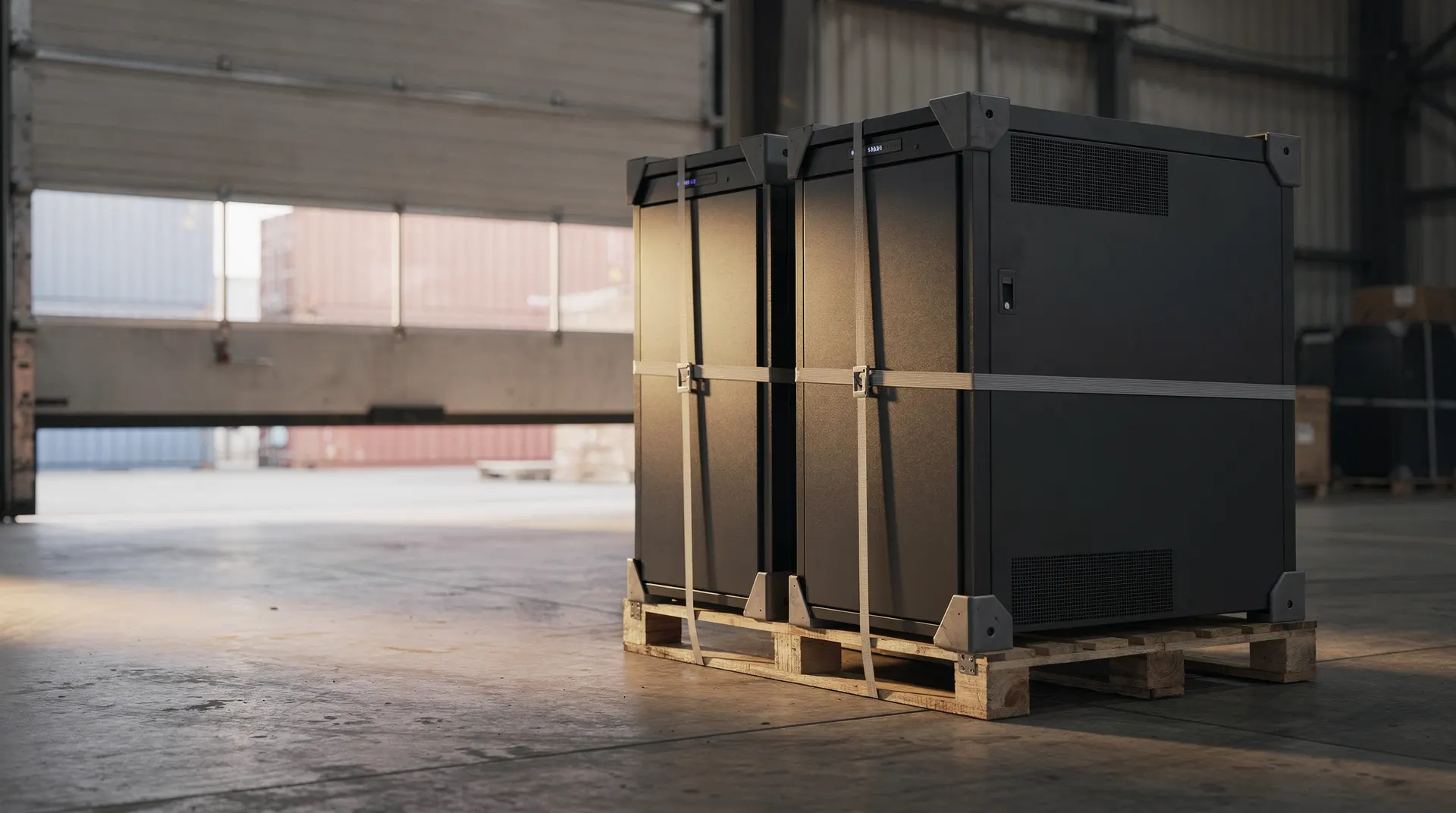
Nvidia has told Dell and Supermicro to stop shipping servers that carry its chips to Malaysia, Singapore, Thailand and Indonesia, the Financial Times reported Thursday, making the tightening US export-control regime a logistics problem for the AI supply chain rather than just a compliance update.
The four countries sit at the center of Washington's effort to close the transit routes that US officials believe Chinese firms use to obtain advanced AI chips. The Financial Times, citing three people familiar with the matter, reported that Nvidia directed manufacturing partners such as Dell and Supermicro not to ship servers containing Nvidia silicon to Malaysia, Singapore, Thailand and Indonesia. Nvidia, Dell and Supermicro did not respond to requests for comment outside regular business hours, Reuters reported.
Related reading: TSMC and Samsung suspend some chip shipments to Chinese customers.
The instruction lands a week after the Commerce Department published a rule addressing remote access to advanced semiconductors, dated November 16, that extends the export-control net to how US AI chips are reached over networks and through certain third-country logistics. The rule requires export licenses for shipments of advanced chips to several Southeast Asian economies, a move aimed at the same diversion pathways the new halt targets.
What makes this a market event rather than a regulatory footnote is the revenue it touches and the compliance uncertainty it creates. Nvidia accounts for a large share of AI accelerator spending, and Dell and Supermicro are among the biggest builders of the servers that hold those chips. A stop-ship order that runs for weeks shifts when and where that revenue is recognized, even if it never cancels an order. The three people cited by the Financial Times said it was not clear whether the halt would be temporary while Nvidia and its partners work through the new license requirements.
Related reading: U.S. adds Megaspeed to trade blacklist over chip exports.
The stock market has already been pricing the exposure. Nvidia shares closed Tuesday at $155.38, down 5.86% on the day after a roughly 31% advance Monday, and chip names broadly pulled back as markets weighed how much of the AI buildout the export regime can slow. The halt adds a concrete operational datapoint to that question: border enforcement is now a visible cost point in a supply chain that until recently moved largely on demand signals.
The higher-cost question is whether the tightening reaches beyond logistics. The November 16 rule follows the US decision to add Megaspeed, a Singapore-based cloud computing provider, to the trade blacklist, and the allegations that surfaced around that company have put a spotlight on the entire Singapore data-center corridor. Investors reading the AI capex story through the export-control lens are watching three dates now: how fast Nvidia clears licenses for the four countries, whether Southeast Asia shipments resume before year-end, and whether the rule broadens to more destinations.
Related reading: AI chip export rule: US closes third-country loophole.
None of this changes the structural demand story. Hyperscalers have committed tens of billions to AI data centers through 2026 and 2027, and those buildouts are anchored to Nvidia's flagship accelerators. What the halt does is add a new variable to the supply chain: geography. The AI trade story is no longer just about how many chips the factories can make, but about which borders those chips can cross and on what timeline.
For now the market's message is that the logistics risk is real but unquantified. Dell and Supermicro face the most direct consequence, since they hold the inventory that is now stuck at the border, while Nvidia carries the compliance burden and the reputational weight of the disputes. The next twelve weeks will test whether the export-control regime reshapes where the largest AI server shipments land, and that will show up first in the countries that just stopped receiving them.
Related reading: Nvidia halts China AI chip sales as US export rule expands.
This content is for informational purposes only and does not constitute financial advice. Past performance is not indicative of future results. Consult a qualified financial advisor before making investment decisions.
Get daily intelligence delivered
Create a free account for the Daily Brief every weekday and The Week Ahead every Sunday. No card required.