TSMC and Samsung suspend some chip shipments to Chinese customers

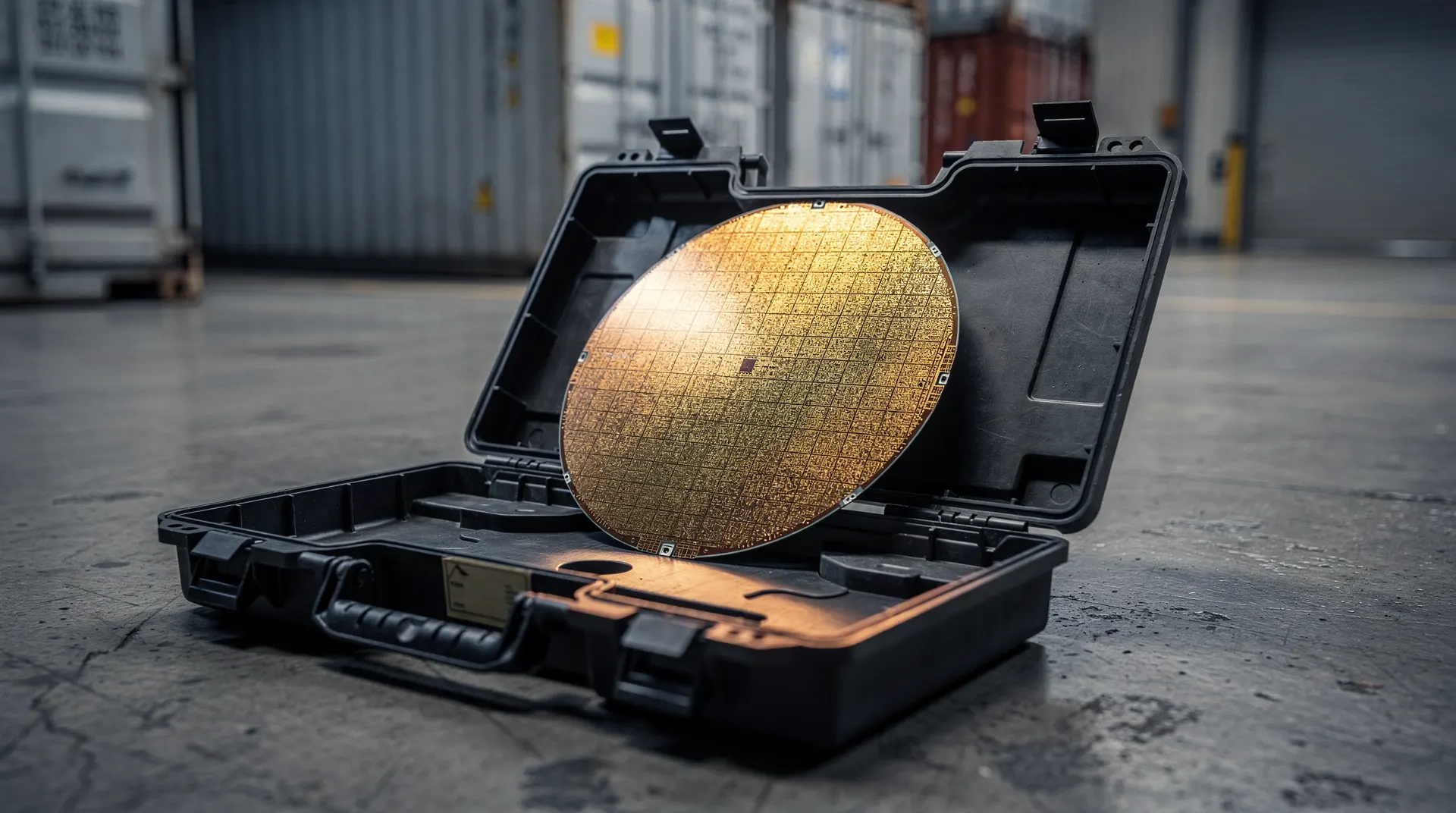
TSMC and Samsung Electronics have suspended some chip shipments to Chinese customers while they work through license requirements under the stricter US export rules that took effect this month, the Financial Times reported on November 19. The pullback reaches beyond chipmakers to the foundries and packaging lines that serve Chinese buyers, and it lands in the same week that members of Congress pressing for tighter enforcement pushed the Commerce Department to go further on existing curbs.
What the suspension covers
The Financial Times reported that Taiwan Semiconductor Manufacturing and Samsung paused deliveries of certain chips to Chinese customers and are seeking US export licenses rather than ship against the new controls. The move sits on top of the Commerce Department's Bureau of Industry and Security interim final rule published November 16, which we covered when Nvidia halted China AI chip sales as the export rule expanded. That rule now requires licenses for covered AI chips and it also now requires licenses for data centers that serve Chinese customers remotely, closing a route that had let Chinese buyers access advanced compute through overseas facilities.
Under the new framework, foundries must confirm their customers' end use, and the earlier packaging and testing workaround for non-AI chips is being closed. The Financial Times reported that TSMC and Samsung now need licenses even for advanced smartphone processors bound for customers such as Xiaomi, Oppo and Vivo, not just data-center chips. Samsung's suspended deliveries reportedly touch the chip needs of ByteDance and Baidu's AI computing unit, while law-firm analyses of the rule point to licensing triggers based on shipment scale for a single data center.
Supply and pricing read
The practical effect is a tightening floor on how much advanced silicon can reach Chinese data centers, and that is showing up in project economics. The Decoder, summarizing reporting by The Information, said Chinese AI firm Moonshot walked away from a $150 million contract in Indonesia rather than proceed under the new regime. The move de-risks suppliers before a formal denial, which is the pattern investors now have to weigh: how much of the slowdown is the rule, and how much is companies choosing not to test it.
For chip supply, the read is a slow bleed of sanctioned volumes rather than an immediate cliff. The licensing queue becomes the pacing mechanism, and until Commerce acts on applications, foundries can hold cargo. That is bullish for the AI infrastructure names already short on capacity in the US and allied markets, but it adds uncertainty to every supplier with a China line in its revenue stream, TSMC included.
Exposure and the algorithm for markets
For suppliers, the math is about revenue mix. Nvidia booked $2.4 billion of licensed Hopper sales to China in the quarter ended October 25 and then removed the line from forward guidance, as our Nvidia Q4 guidance coverage detailed. TSMC and Samsung carry meaningfully smaller China exposure than Nvidia did, but they are the manufacturing chokepoint, and losing Chinese orders into a boom cycle pressures utilization even as AI backlog stays full.
For the AI names with China revenue, the sector read is the same one that pushed Nvidia's stock after Jensen Huang would return as Nvidia CEO; chip stock slides: the rule is now a known quantity, and the open question is enforcement. The next dated catalyst is any formal agency action from Commerce on the licensing queue or a follow-up rule on packaging and testing, plus the congressional pressure campaign that is already circulating in Washington. Letters to the Commerce Department do not move markets; a denial or another interim final rule does.
This content is for informational purposes only and does not constitute financial advice. Past performance is not indicative of future results. Consult a qualified financial advisor before making investment decisions.
Get daily intelligence delivered
Create a free account for the Daily Brief every weekday and The Week Ahead every Sunday. No card required.