Norse Atlantic bankruptcy: Norwegian budget airline files for insolvency and suspends all flights

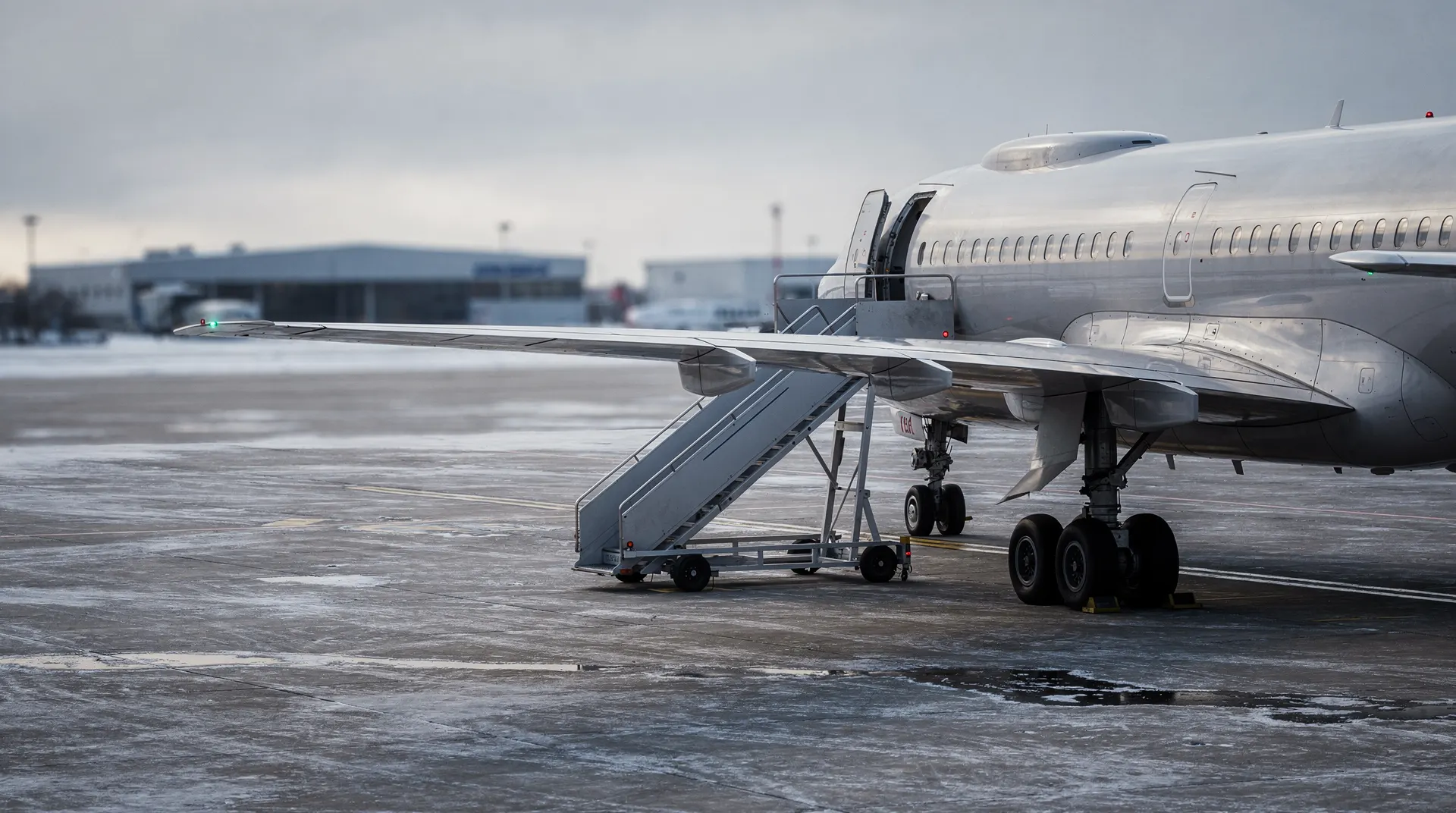
European airline insolvency is no longer a winter rumour. Norse Atlantic Airways AS, the Norwegian operating unit of transatlantic budget carrier Norse Atlantic, filed a bankruptcy petition Friday at the Agder District Court and suspended all flights, cancelling every forward booking. Parent company Norse Atlantic ASA said in its statement that the airline had not secured the short-term funding it needed and no longer had a basis to continue operations.
The filing is a collapse of the operating unit, not yet of the whole group. Norse Atlantic failed to find a buyer or a capital lifeline, which the company said had left the board with no workable alternative. The board concluded that the Norwegian carrier no longer has a basis to continue, and said the listed entity Norse Atlantic ASA and its UK subsidiary are still working to find a solution for the remaining business.
Related reading: Bank of England hike to 4.0% is the week's defining international print.
"Despite extensive efforts, the Company has so far not been able to secure sufficient funding to meet its short-term liquidity needs," the firm said in a statement Friday. Chief executive Eivind Roald apologised to passengers, employees and partners, and confirmed that the board had filed the petition with the Agder District Court, where a trustee will be appointed to manage the process further.
The numbers behind the collapse are a story of a fuel shock on a thin-cost model. The US-Iran war began on February 28 and sent jet fuel prices sharply higher. Prices were up nearly 72% year on year to $155 a barrel as of the week ending November 20, according to the IATA Jet Fuel Price Monitor. Roald told CNBC in May that the airline had cancelled more than 700 flights since the start of the conflict, affecting more than 240,000 passengers. The carrier, founded in March 2021, flew a fleet of leased Boeing 787 Dreamliners between Europe, the US, Africa and Asia, including routes out of London Gatwick, on which it competed directly with established transatlantic carriers on price.
Related reading: EU Russia Sanctions Hit Nearly 50 Banks and Major Oil Refineries.
Who pays and who gains from this filing is the question travellers and the market are asking. Prepaid ticket holders are ahead of shareholders but behind secured creditors in the Norwegian insolvency order, and the trustee will steer the compensation process. Equity holders are effectively wiped out: the shares closed 85% lower on Wednesday after the company warned of its critical financial situation. Aircraft lessors, owed for the 787 fleet, are first in line for the asset recovery, and several were already pressing for the return of aircraft. Competitors benefit most, because Norse's long-haul budget slots from London Gatwick and other bases do not disappear with the airline, they are released for network carriers and larger low-cost operators to absorb.
Norse's failure is a sector signal, not an isolated event. Ryanair chief executive Michael O'Leary warned in April that elevated jet fuel prices would push other European airlines into financial difficulty over the winter, and the warning is playing out. Several carriers have already stopped operating this winter season, including Slovakia's AirExplore, Spain's AlbaStar, Ireland's Fly4 and Spain's Plus Ultra, which has cancelled all flights without permanently closing. The discount long-haul model, which depends on high load factors and cheap fuel to make narrow margins work, is exactly where the fuel-price squeeze bites first.
Related reading: Norges Bank Holds Policy Rate at 4.5%, Keeps the Door Open to Another Hike.
For the global traveller and the dollar investor, the read is straightforward. A single Oslo-listed budget carrier is small relative to the Norwegian sovereign balance sheet, so the collapse is a corporate event, not a currency event, and it does nothing meaningful to the krone or Norwegian yields. What it does change is transatlantic pricing: capacity out of London Gatwick and into US leisure markets is coming off the market, which supports rivals' yields and fares just as the industry faces its most expensive fuel in over a year.
The next dated step is the Agder District Court process. A trustee will be appointed to run the insolvency, creditors will file claims, and the listed parent and UK subsidiary will either find a buyer for the routes and aircraft or wind down. Passengers should expect the compensation process to be administered through the Norwegian proceedings, not through a quick refund window. Until the court appoints a trustee and a sale process is set, the fleet sits grounded and every forward booking stays cancelled.
Related reading: Cerberus buys Airbus US satellite unit in US ownership push.
This content is for informational purposes only and does not constitute financial advice. Past performance is not indicative of future results. Consult a qualified financial advisor before making investment decisions.
Get daily intelligence delivered
Create a free account for the Daily Brief every weekday and The Week Ahead every Sunday. No card required.