LA-Long Beach Port Watchmen Strike Threat Extended to Nov 5 as Volume Peaks

Shipping turned from the calendar to the picket line this week. The Pacific Maritime Association and International Longshore and Warehouse Union Local 26, which represents about 250 maritime watchmen at Los Angeles and Long Beach, agreed to extend their negotiating deadline from Nov 1 to Nov 5, Reuters reported on Oct 30, averting a strike that had been authorized to begin at 5 p.m. Pacific time that Sunday.
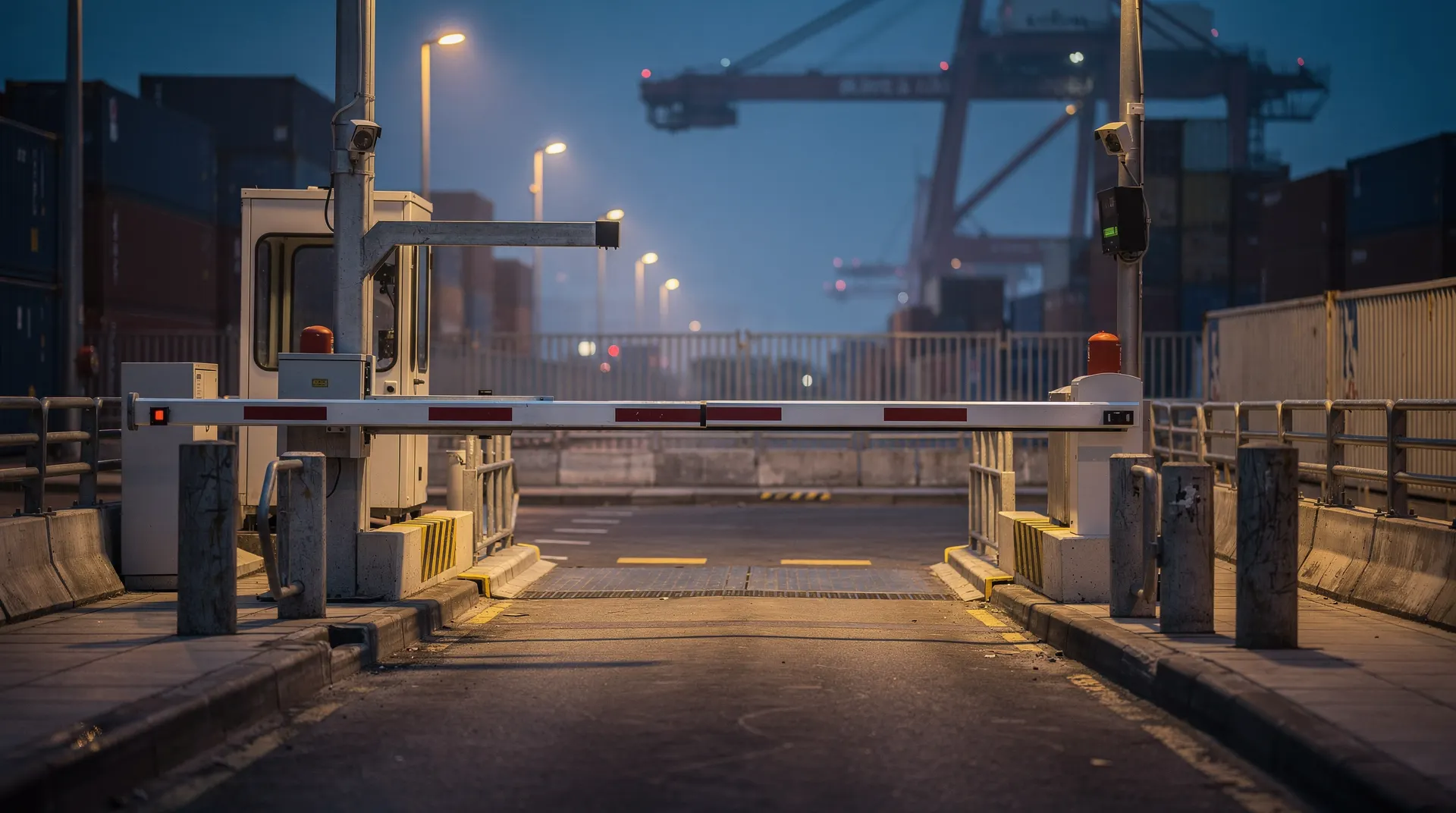
The watchmen are the gatekeepers of the country's busiest container gateway. They control and inspect truck and employee entries at terminal gates, provide terminal security, and guard and track containers crossing the docks, Reuters reported. Their numbers are small, but their position is not. The Pacific Maritime Association, which represents the employers, said members of Local 26 are about 2% of ILWU workers at the two ports, yet they staff the gates at terminals that handle roughly 85% of the cargo moving through Long Beach and 33% of the cargo through Los Angeles.
Related reading: LA-Long Beach Cargo Record Signals a Front-Loaded Peak Season as Container Rates Climb.
The stakes extend past the watchmen themselves. The employers group told FreightWaves it expects other ILWU members to honor picket lines if the watchmen walk, and that such a response could halt vessel, yard, and gate operations at affected facilities. That is the freight scenario shippers have been watching since the threat surfaced: a small workforce standing at the choke point of a complex that has been running at record volume.
The read on the two sides does not line up cleanly, which is why the market has not fully priced the risk. The union holds the positional advantage: a walkout by a few hundred workers, backed by sympathy pickets, can stop gates that move the majority of the complex's box volume. The employers hold the wage ground: an average of more than $170,000 a year for full-time watchmen, plus fully paid benefits, is a strong baseline, and the union has not spelled out what more it wants. With federal mediators in the room and a short new runway, the most likely near-term path is another short extension rather than an immediate walkout, but that is a probability, not a certainty.
Related reading: Crude Tanker Rates Hold Near Record as Baltic Primorsk Loadings Face a New Strike Threat.
The dispute is not new. The watchmen's previous agreement expired in July 2025, and the workers have continued under extensions for more than a year of bargaining. The latest extension was set to lapse Sunday before the two sides agreed to keep talking through Nov 5. The Pacific Maritime Association said it remains committed to a fair agreement and will negotiate in good faith through the deadline and beyond if necessary. The union has not detailed its demands publicly. The employers said their offer includes wage increases and pension improvements, and that full-time watchmen currently earn an average above $170,000 a year plus fully employer-paid health care and pension benefits.
The Federal Mediation and Conciliation Service is assisting the talks, Reuters said. The contract covering Local 26 is separate from the coastwide agreement for ILWU longshore workers and marine clerks, which runs through 2028, according to FreightWaves. That distinction matters for the freight picture: the bargaining here is localized to the gate and security function, not the full dock workforce, which is one reason shippers have not treated the threat as a full-port event.
Related reading: September Set to Be 2026's Busiest Month at US Ports.
The timing makes the stakes concrete. Los Angeles and Long Beach each reported all-time cargo volume records for September, according to Reuters, with the peak defined by retail goods for the holidays, equipment for AI data center construction, and auto parts. The Pacific Maritime Association's contingency message and the Port of Los Angeles statement urging good-faith negotiation reflect how little slack the complex has heading into the busiest part of the year.
For rates and capacity, the extension keeps the near-term picture intact. A strike over the weekend would have yanked a meaningful share of trans-Pacific terminal throughput out of service at the exact point importers are bringing holiday inventory ashore, and the ocean market would have repriced that scarcity within days. Instead, the peak-season schedule stays on track until Nov 5, and the freight market continues to price a functioning gateway.
Related reading: Los Angeles Port Report: Rail Dwell Hits 5.1 Days.
The number to watch is Nov 5, and after it, whether the two sides let another extension lapse. Every day the talks run is one more day the front-loaded peak, which shows up in the September records and the container-rate rollover other desks have already flagged, keeps moving without a gate disruption. Freight buyers on the trans-Pacific lane should treat the extension as a reprieve, not a resolution: the watchmen remain one mediation session away from closing the country's largest import door at the worst possible moment of the season.
This content is for informational purposes only and does not constitute financial advice. Past performance is not indicative of future results. Consult a qualified financial advisor before making investment decisions.
Get daily intelligence delivered
Create a free account for the Daily Brief every weekday and The Week Ahead every Sunday. No card required.