September CPI report: gasoline up 9.1% and a fill-up now costs $14 more than a year ago

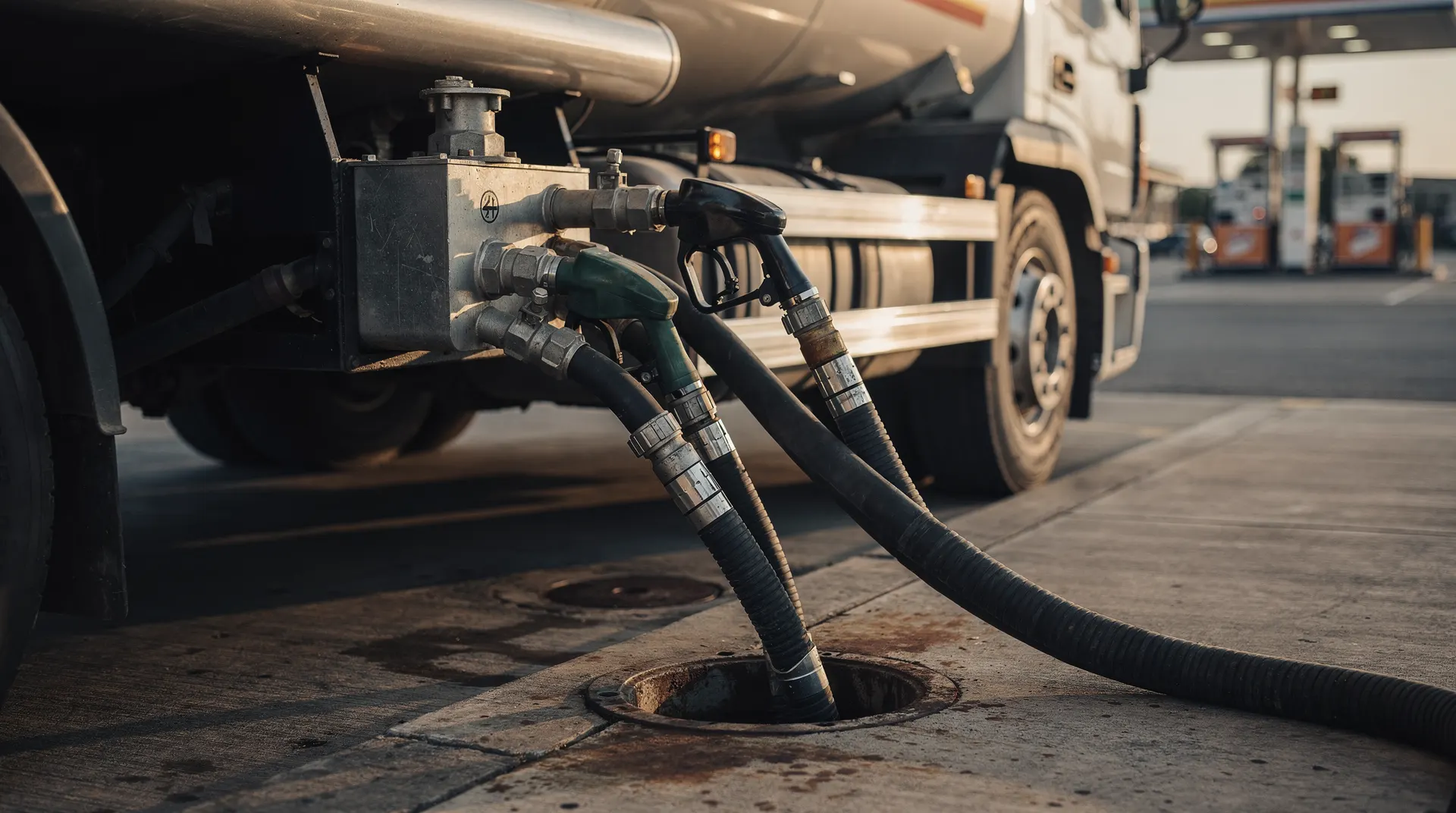
September's consumer price index, released by the Bureau of Labor Statistics at 8:30 a.m. Eastern on Wednesday, October 14, rose 0.6% for the month and 3.7% from a year earlier, accelerating from 3.4% in August. The familiar culprit did most of the damage: the energy index jumped 5.2% in one month, and gasoline alone rose 9.1%, accounting for about half of the entire increase in the headline number, per the BLS. For a household at the pump, the bite was immediate.
A fill-up is a cleaner number than a percentage for most readers. The U.S. average for regular gasoline sat at $4.354 a gallon in the week ended October 5, according to weekly EIA data. A year ago, with gasoline prices up 34.2% over that stretch per the CPI, the same grade averaged roughly $3.24 a gallon. On a 13-gallon tank, that is about $56.60 today versus $42.18 a year ago, roughly a $14 difference on every fill. Diesel tells a heavier story for anyone who heats with oil or pays freight on groceries: the national average was $6.199 a gallon in the same EIA week, and the CPI's fuel oil component has roared 74.2% higher over the past year.
Related reading: Gas Falls to $4.35, but Household Inflation Stays Hot.
It is worth being precise about where the September rise came from, because energy is only part of it. Core CPI, which strips out food and energy, climbed 0.3% in September to a 2.6% annual rate. That came in above the 2.5% economists had penciled in, a sign the increase was not purely a fuel story. Shelter rose 0.4% for the month, used car and truck prices jumped 0.7%, and apparel, a line that tracks tariffs, rose 0.3% and is up 3.4% from a year ago. Food prices were flat for the month and up 2.5% year over year, a relative bright spot for the grocery budget that the desk reported separately earlier this week.
For the household budget, the split matters. The energy lines are the ones moving fast and leaving the biggest monthly mark: the 9.1% month-over-month gasoline move is the kind of swing that hits the spending line within days, not months. Shelter, at 0.4% monthly, is slower and stickier, which is what keeps the core rate elevated and what the Federal Reserve watches most closely. The two together are why the annual inflation rate has held well above the Fed's 2% target since March 2021.
For the broader framework, see our Fed policy coverage.
Related reading: Gas Hits $4.48 as August Shelter Costs Rise.
The September report is the final CPI reading the Federal Open Market Committee sees before its October 27-28 meeting. Markets are pricing meaningfully for action: traders put about 54% odds on a rate increase at that gathering, and better than 96% odds on at least one hike before the end of the year, with a near coin flip on a half-point move by December, according to the CME Group's FedWatch tool. The Fed already responded in September with its first rate increase in more than three years, a quarter point that took the benchmark funds rate to a 3.75% to 4.00% range. Where the energy shock goes from here is the open question. Supply-driven spikes are usually treated as temporary and looked through, but the longer the disruption runs, the greater the risk that it feeds into broader expectations and sticks.
A couple of dated data points round out the month. The September producer price index, a measure of wholesale costs that often leads consumer prices, lands Thursday, October 15. The Commerce Department's personal consumption expenditures index, the Fed's preferred inflation gauge, arrives later this month and is what officials will weigh most heavily for their December decision. And on the cost-of-living ledger that affects seniors directly, the Social Security Administration on Wednesday announced a 3.6% cost-of-living adjustment for 2027, up from the 3.3% pace of CPI-W before September's print.
Related reading: Gasoline Prices Jump as WTI Near $97 and Hormuz Premium Hits the Pump.
The takeaway for households is not a single number but a direction. Nothing in the September report gives the average budget room to ease. Gasoline is the fastest-moving line and the one most households feel each week, and it accounts for about half of the headline climb. Core prices climbing faster than expected means the pressure is broad, not isolated to the fuel pump. Watch Thursday's PPI print for confirmation of whether wholesale energy costs keep feeding through, and the October 27-28 FOMC decision for whether higher rates are the cost of bringing all of it back down.
Related reading: EIA October Outlook: Diesel Fell 18 Cents.
This content is for informational purposes only and does not constitute financial advice. Past performance is not indicative of future results. Consult a qualified financial advisor before making investment decisions.
Get daily intelligence delivered
Create a free account for the Daily Brief every weekday and The Week Ahead every Sunday. No card required.