IEA oil release accelerates and prioritizes diesel: what the 100 million barrels means

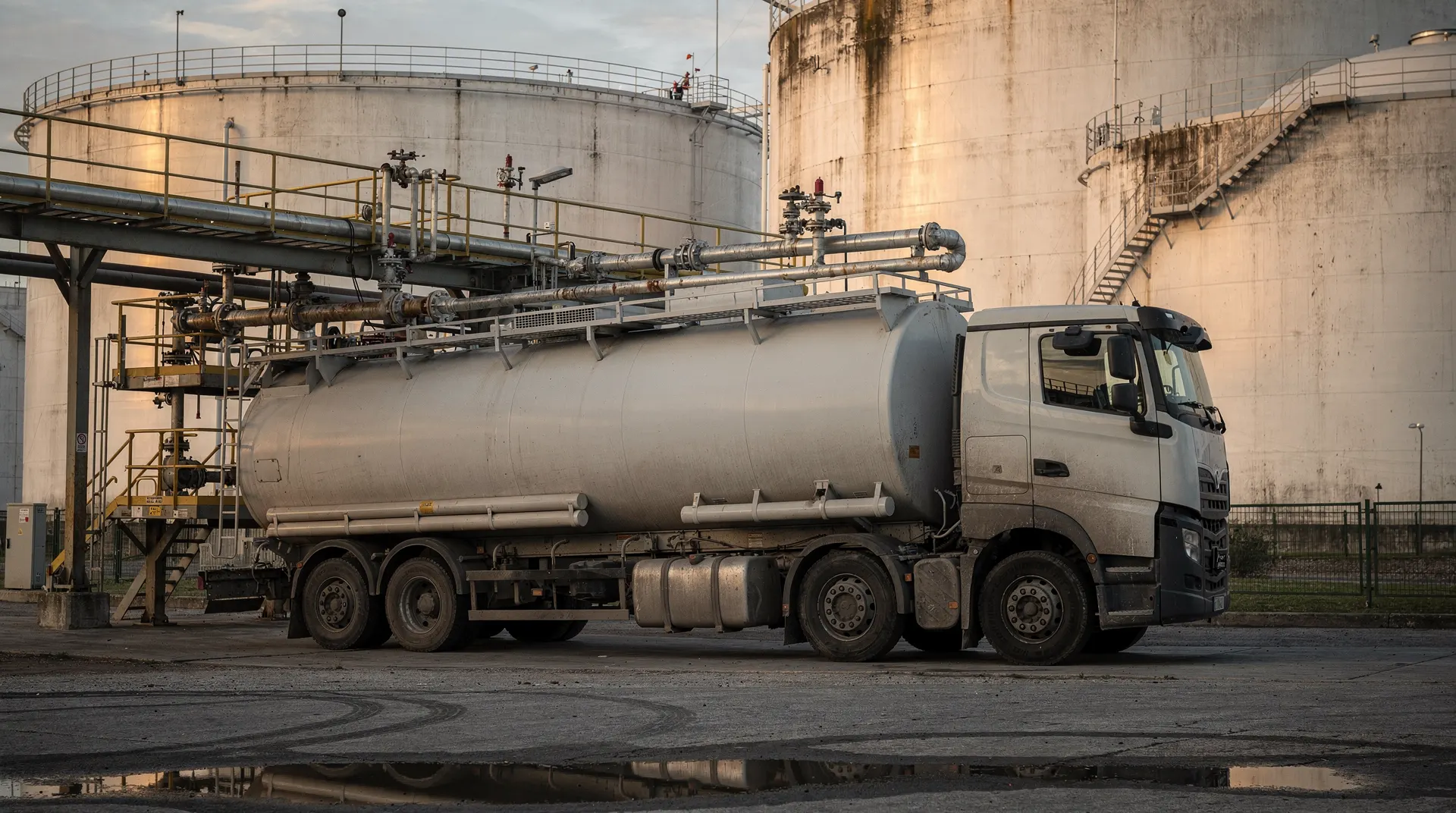
The International Energy Agency agreed on Wednesday to accelerate the coordinated release of oil stocks agreed under its March plan and to prioritize diesel, with around 100 million barrels still to be released, according to Reuters. The move is the formal IEA decision layer on top of the earlier G7 commitment, and it is aimed squarely at the refined product that is doing the most damage to household and freight budgets.
Let me be precise about what this is, because the headlines can overstate it. This is not a fresh 100-million-barrel intervention on top of everything else. It is the same March coordinated action being completed faster, and it reorders what leaves the tanks first, with diesel and other distillates ahead of gasoline. Roughly 325 million barrels have already been released since the Iran war began in February, and the remaining tranche under the earlier commitment is now being pushed out of the gates at a quicker clip, according to The National.
Related reading: G7, IEA release 100 million barrels to break the diesel squeeze.
What the acceleration actually does
The supply/demand logic here is simple. Diesel is the fuel that keeps trucks, trains, farm equipment and backup power running, and it is the input baked into almost every physical good price. Europe is the pinch point: a record EUR 2.24 a litre, up from EUR 1.59 before the war. The US is not far behind on stress, with retail diesel above $6 a gallon. When a coordinated release prioritizes distillates, it is an explicit attempt to attack the tightest part of the barrel rather than the loosest.
G7 countries are coordinating the effort through the IEA, and Reuters reported that Germany said it would join a further release. IEA Executive Director Fatih Birol put the standing threat on the record: the agency stands ready to release more of these stocks to the market if and when required. That sentence matters, because it signals the floor is not fixed, and it gives the market a reason to price in additional supply even before it physically arrives.
For the broader framework, see our crude oil coverage.
Related reading: Crude Sheds Risk Premium Near $98; Diesel Crack Stays ~$106.
The cost is not an abstract index print. Every trucked mile of freight carries the cost, which works its way into grocery prices and construction materials. Airlines absorb jet fuel alongside diesel-oriented refining economics. Home heating oil in the Northeast tracks the same distillate pool. The release is meant to cap those costs, but the transmission takes weeks, and the physical barrels need to move from storage to refinery to truck stop before the retail number budges.
The counterweight is the supply side. The Strait of Hormuz remains the open risk to crude, and the diesel basis is still stretched, which keeps the distillate crack elevated even with release barrels on top of the market. A release puts downward pressure on product prices, but it does not close the war premium embedded in the barrel, and it does not fix the refinery economics that are pricing distillates separately from crude.
Related reading: Strait of Hormuz oil shipping: crude flows recover to 10.3M bpd, attacks keep freight at $1M a day.
What the curve and the crack say
Crude eased on the acceleration news, per WSJ and Economies.com reporting on Wednesday evening. That is the expected first reaction: more prompt supply, lower near-term price. The more interesting read is in the products. If the release is diesel-weighted and arrives on schedule, the diesel crack should compress toward the pre-war shape as distillate inventories rebuild. If the barrels are slow, or the Hormuz disruption widens, the crack stays bid and diesel keeps outperforming crude, which is exactly the kind of divergence a trader watches for clues on whether this is a policy fix or a headline event.
The near-term pressure cut goes both ways. More release barrels is a bearish signal for prompt prices and a drag on backwardation. But a release that arrives amid ongoing supply disruption, a record diesel basis and a fragile refining system can compress the curve even as spot crude wobbles, because the market is being told more supply is coming while the physical pipeline stays tight.
Related reading: $150 Oil Forecast: Citi's Hormuz Scenario and the IEA Option.
What is dated next
The next real catalysts are the diesel-sensitive prints, not the headlines. Watch the weekly retail diesel numbers from EIA and the distillate inventory builds to see whether the release is actually hitting storage. European and US CPI prints that carry fuel components will be the market-readable test of whether the record EUR 2.24 and $6-plus readings start rolling over. Any further G7 or IEA follow-through, including a formal decision to extend the release window or raise the tranche, is the next event risk on the calendar.
The honest read is that this accelerates supply that was already promised and tilts it toward the product that hurts the most. It gives the market a reason to price in a softer diesel path, but it does not resolve the underlying supply disruption that drove the squeeze in the first place. Watch the crack, watch the storage builds, and treat the 100 million barrels as the mechanism, not the finish line.
Sources: Reuters, The National, Euronext (G7 joint statement), IEA news.
This content is for informational purposes only and does not constitute financial advice. Past performance is not indicative of future results. Consult a qualified financial advisor before making investment decisions.
Get daily intelligence delivered
Create a free account for the Daily Brief every weekday and The Week Ahead every Sunday. No card required.