Strait of Hormuz oil shipping: crude flows recover to 10.3M bpd, attacks keep freight at $1M a day

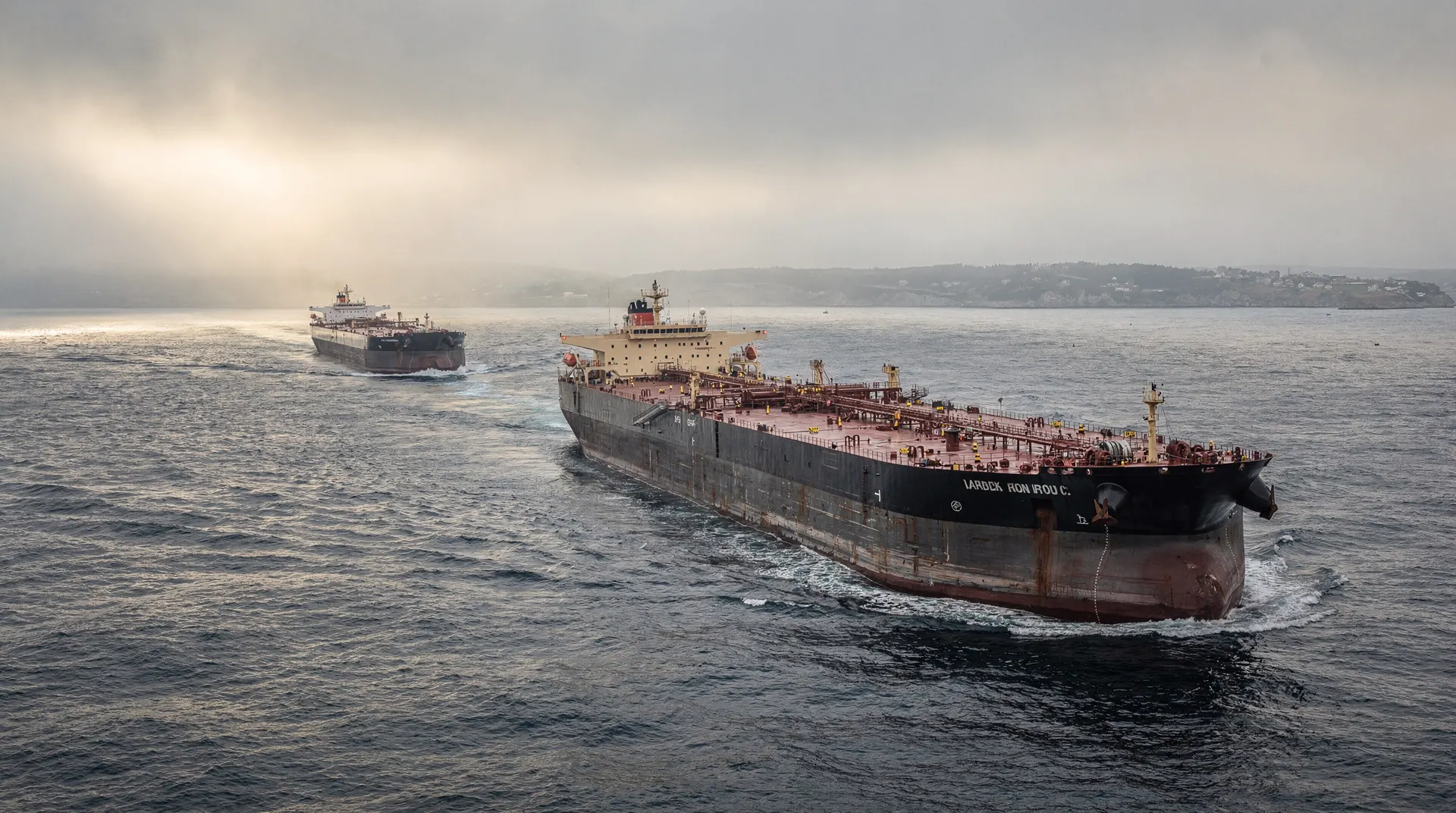
Crude oil exports through the Strait of Hormuz are recovering, but the tankers hauling them are under more attack and the freight bill is the story. Shipments averaged about 10.3 million barrels a day in the week ended Saturday October 3, roughly 23 percent below a prewar baseline of 13.5 million, according to ship tracker Kpler in a briefing published Monday October 5. Windward, which tracks vessels for governments, puts the current range lower, at 9 to 10 million barrels a day against a 14.5 million prewar estimate.
Yet the recovery has a cost in crew safety and in money. Nearly 20 commercial ships, most of them tankers, came under attack in the past month while sailing through Hormuz, the Persian Gulf or off the coast of Oman, according to the Joint Maritime Information Center, a US-allied military group that advises merchant vessels. Iran attacked roughly two ships for every 100 crossings of the strait in the third quarter, said Michelle Wiese Bockmann, senior maritime intelligence analyst at Windward. Since July, nine sailors have died and 18 have been injured, per the IMO.
Related reading: Freight This Week: Container Rates Slide as Tanker Costs Surge Through Hormuz.
The cost shows up in freight prices. Shipping crude from the Persian Gulf to China has risen to about $1 million a day per tanker, Bockmann said, as owners demand a war-risk premium for the strait. Much of the oil now moves in a shuttle system: tankers bring crude through Hormuz, then transfer it to other ships in the Gulf of Oman for the Asia leg. That reduces exposure to attack but needs more vessels, which pushes rates higher.
In crude, the reopened flows have taken some heat out of prices. Brent settled down 1.9 percent at $100.32 a barrel on Monday October 5, while WTI traded near $89.50, as Gulf crude flows outside Iran climbed past 81 percent of prewar levels and the G7 agreed to release 100 million barrels of diesel and crude from emergency reserves. Prices still sit about $20 a barrel above the prewar norm, a premium analysts put at $20 to $25.
For the broader framework, see our crude oil coverage.
Related reading: BIMCO Puts a Number on the Freight Party: 14 Million TEU of New Ships Are Coming.
Refined products tell a tighter story than crude. JPMorgan has estimated Middle East crude shipments at about 17.5 million barrels a day, close to 98 percent of prewar volume, but refined products such as diesel and gasoline are flowing at only about 58 percent of their earlier rate, per the same research. That is why diesel prices at the pump have stayed elevated even as the headline crude price has eased, and it is consistent with what the site's Cost of Living desk has been reporting on the consumer side.
Part of the crude recovery is rerouting, not restarted capacity. Kpler estimates that about 40 percent of the region's crude now leaves by routes that avoid Hormuz, up from 17 percent before the war, with Saudi Arabia shipping more from its Red Sea port of Yanbu. Saudi Arabia also cut the official selling price of Arab Light crude into Asia for November, a sign producers are competing to place barrels, per ING. The alternative routes carry their own risk: the Houthis claimed strikes on a Saudi refinery at Rabigh on Monday, and the UK Maritime Trade Operations reported Iran ordering a tanker to turn back or face being targeted.
Related reading: Aramco Weighs $9 a Barrel Discount to Offset Record Hormuz Freight.
The deeper risk is that the world has drawn down inventories to pay for this. Saudi Aramco chief executive Amin Nasser warned at the Energy Intelligence Forum in London on Monday October 5 that global oil stocks had become, in his words, scarily thin, and that rebuilding them could take up to two years after the strait reopens. He called the G7 release temporary relief. Analysts agree the floor is fragile. Goldman Sachs has outlined a scenario where oil rises to as much as $120 a barrel if attacks on vessels intensify, and returns toward $80 if exports normalize, with Daan Struyven, co-head of global commodities research, telling Bloomberg that shipping risk has become a key driver of crude prices.
The people this reaches are the refiners and importers in Asia that take most Hormuz crude, and behind them every household paying for diesel, gasoline and heating fuel. The number to watch is not just the barrels crossing the strait but the freight and insurance added on each one. As long as tanker rates sit near $1 million a day and the attack count stays in double digits for the month, the market is pricing a recovery that could reverse on a single incident.
Related reading: G7, IEA release 100 million barrels to break the diesel squeeze.
This content is for informational purposes only and does not constitute financial advice. Past performance is not indicative of future results. Consult a qualified financial advisor before making investment decisions.
Get daily intelligence delivered
Create a free account for the Daily Brief every weekday and The Week Ahead every Sunday. No card required.