GlobalFoundries to Run Two New Fabs Under $21 Billion US-Japan Initiative

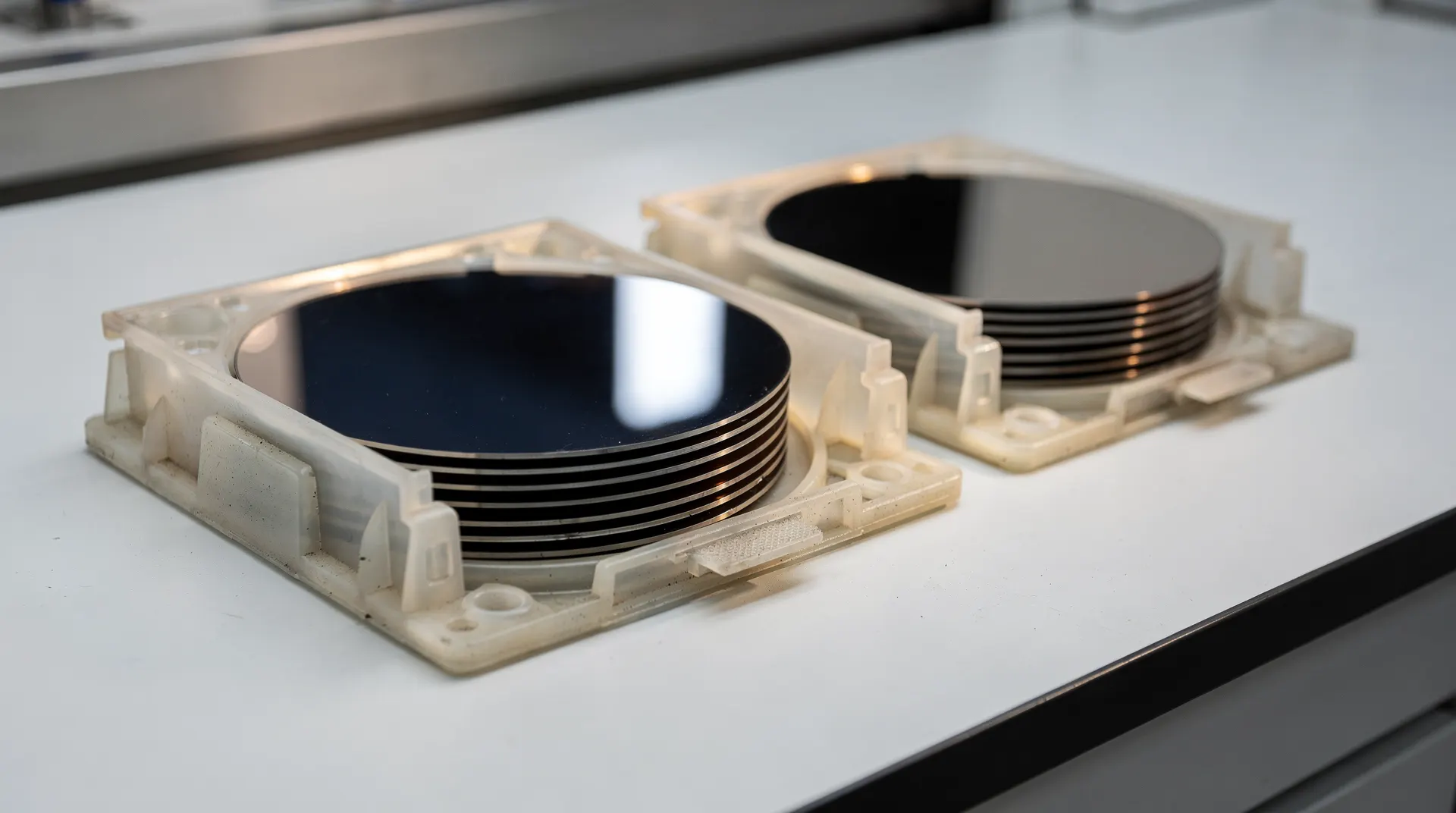
GlobalFoundries was selected to operate two new semiconductor fabs at its Malta, New York site under a US-Japan initiative worth up to $21 billion, the company announced Oct. 14. The project, enabled by the US-Japan trade and investment agreement, adds roughly 1.8 million 300mm wafers of annual American capacity when both lines are online, with the first fab set to start production in 2029.
Japan supplies the capital and GlobalFoundries supplies the technology and operating expertise, a structure the company describes as first of its kind. An initial investment of roughly $10 billion funds a new 300mm fab expected online in 2029, and an additional roughly $10 billion backs a second fab, each contributing about 900,000 300mm wafers of annual US manufacturing capacity when fully operational. The Malta site is permitted and shovel-ready, with construction expected to begin later this year.
Related reading: GlobalFoundries TSMC Deal Adds $2B to AI Packaging Supply.
The deal sits squarely on the AI supply chain. GlobalFoundries is a foundry making the differentiated, power-efficient chips that run inside data centers, connected infrastructure, automotive and industrial systems, distinct from the leading-edge logic that Nvidia and AMD buy from TSMC. Foundry capacity is the binding constraint in AI compute this cycle, and this dollar figure is large enough to move the national supply outlook, not just one company's.
Federal money is part of the picture. GlobalFoundries agreed with the US Department of Commerce to amend its existing CHIPS and Science Act award, reallocating $955 million to accelerate investments in silicon photonics, silicon-germanium (SiGe) and advanced packaging at facilities in Malta, New York and Burlington, Vermont. In a separate agreement, Commerce will receive equity in the company of approximately 4 percent, giving the American public a direct claim on GlobalFoundries' future growth rather than a one-time grant.
Related reading: AI Research Funding: White House Announces $2.4B Genesis Commitments.
The jobs math is sizable. The project is expected to create about 27,000 construction and related jobs plus more than 1,000 high-skilled manufacturing jobs in New York's Capital Region, according to GlobalFoundries. Governor Kathy Hochul tied the expansion to the state's Green CHIPS program and said New York looks forward to working with Japan's semiconductor supply chain. The company framed the deal as a vote of confidence in a site that has operated since 2009 through its Fab 8 facility.
Anchored customers are already attached. Apple COO Sabih Khan said GlobalFoundries has produced chips for Apple products in the United States as part of Apple's $600 billion American investment commitment, and that the new fabs will help expand domestic chip manufacturing. GM President Mark Reuss described expanding domestically owned fab capacity as a decisive step for American manufacturing, noting GM and GlobalFoundries established the first direct automaker-to-foundry supply agreement. Renesas CEO Hidetoshi Shibata said his company is planning around the new New York capacity as an extension of its own production footprint, and Tokyo Electron CEO Tony Kawai said the toolmaker will contribute to the US expansion.
Related reading: Tencent's $7 Billion Oracle Lease Finds the Gap in the Export Control Rulebook.
Markets reacted immediately. GlobalFoundries (Nasdaq: GFS) rose 3.68% to $48.42 in US trading around the announcement, per Yahoo Finance data retrieved this session. The stock has traded between a 52-week low of $32.02 and a high of $92.55. The move came ahead of a company webcast for investors and analysts scheduled for Oct. 14 at 1 p.m. Eastern.
The commercial logic deserves scrutiny. The expansion is not only about new demand; it is about geography and trust. Foundry output in the United States is a strategic hedge against concentration in East Asia, and both governments have made domestic semiconductor capacity a stated priority. For GlobalFoundries, the arrangement converts two committed sovereign investors into long-term operating partners, which reduces the funding risk that normally shadows a project this size.
Related reading: DayOne Data Center IPO Filing Shows 2.3 GW in Bookings.
There are real risks worth tracking. The second fab's roughly $10 billion tranche is contingent, and a startup target of 2029 leaves room for schedule slippage common in facility construction. Wafer demand from automotive and industrial end markets has been uneven through 2026, and foundry utilization is the swing factor that determines whether this capacity earns its cost. The 4 percent Commerce equity also introduces a government shareholder into a company that has only recently stabilized its financial profile after years of uneven profitability.
The watch item for the AI markets beat is what this does to the broader foundry pricing and capacity picture. TSMC, Samsung and GlobalFoundries each announced expansions this year, and the sum of announced US capacity now eclipses what the domestic market consumed even in peak 2024 shipping quarters. Matching that supply against AI, automotive and industrial demand, rather than political support, is the number that will decide whether these fabs produce value for shareholders and for the grid that powers them.
This content is for informational purposes only and does not constitute financial advice. Past performance is not indicative of future results. Consult a qualified financial advisor before making investment decisions.
Get daily intelligence delivered
Create a free account for the Daily Brief every weekday and The Week Ahead every Sunday. No card required.