Germany Flash PMI Shows Manufacturing at 54.2 as Input Cost Inflation Accelerates

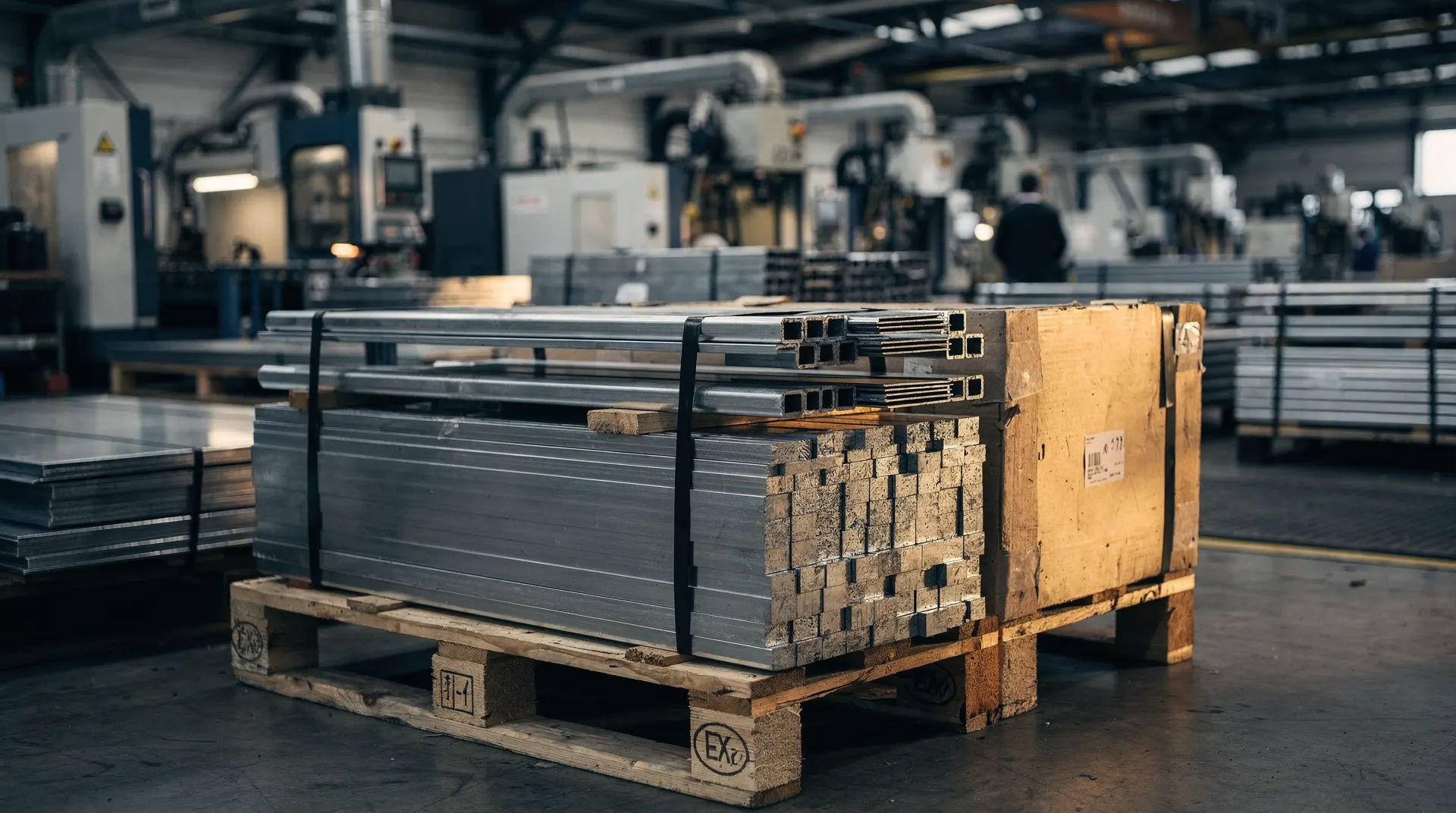
German manufacturers kept expanding in October, with the S&P Global flash manufacturing PMI rising to 54.2 from 53.9 in September, its best reading in two months. The cost side of that expansion is the more consequential story for the goods economy: input cost inflation in the manufacturing sector accelerated for a second straight month to its highest since May, driven by higher oil prices and rising raw material and component costs.
The split between the flash output and headline readings matters for anyone tracking European goods flows. Production growth cooled, with the manufacturing output index at 55.1 against 56.0 in September, a three-month low, yet the headline PMI still climbed because order books held up. New business in manufacturing kept growing, supported by a sustained upturn in export sales, and the sector's backlog of work ticked higher again while services firms saw their work in hand shrink. That divergence is a leading signal: German factories are still filling orders, but the demand underneath is softening.
Related reading: U.S. Supply Chain Costs Rise as Factory Orders and Wholesale Sales Expand.
What makes this flash release a supply chain event rather than just another macro print is the price line. Manufacturers reported input cost inflation at its steepest since May, driven by higher oil prices and rising raw material and component costs. For a European industrial base that sources heavily from Asia and pays for it in container freight, that is a landed-cost story. Across the border, the same signals are showing: the eurozone October manufacturing PMI came in at 52.4, and factory input cost inflation there was the steepest since May on energy, fuel and transportation costs.
The demand check does not yet agree with the cost alarm. The overall rate of inflation in prices charged for goods and services fell to a seven-month low, with businesses citing competitive pressure and discounted fuel prices. That is the squeeze in one sentence: factories are paying more for inputs and charging less for output. The margin question is whether input cost inflation at German plants works its way into broader European producer prices, which would give the ECB a fresh reason to watch factory pricing even as the composite activity number inches lower.
For the broader framework, see our Fed policy coverage.
Related reading: Shanghai to New York Freight Rose 7% to $10,428 as WCI Fell 1%.
Services, the other half of the composite, held expansion but barely. The flash services business activity index came in at 51.7 against 52.9 in September, with new business stalling as customers delayed decisions and squeezed budgets. The composite output index fell to 52.8 from 53.8, still above the 50 no-change mark. Even within a softening composite, manufacturing remains the more constructive part of the German picture, which is the opposite of the usual European narrative where services carries the economy.
The other soft spot is confidence. German firms stayed optimistic about output twelve months out, but factory expectations fell noticeably to the lowest since July, and the anecdotal evidence ties that directly to rising input prices. Employment is the lagging tell: manufacturing workforce numbers came close to stabilizing, with only a marginal fall that was the weakest in over three years, while services added staff for a third straight month. When a sector stops cutting headcount at the same time its cost inflation is picking up, it usually means management expects the volume to come back.
Related reading: Jobless Claims Forecast: 200K Before Fed's October Decision.
Two dates matter next. The final October manufacturing reading publishes November 2, and the final services and composite numbers land November 4. The flash estimates can move between now and then as the survey panel closes, so the input cost and order book sub-indices are the ones to watch rather than the headline. Also ahead this week is the S&P Global flash US PMI, scheduled for release later Friday, which will be the read on whether the American factory leg shows the same cost divergence German plants are reporting this morning.
For importers and freight buyers, the October flash is an early warning, not a confirmed trend. A two-month-high manufacturing PMI with input costs at a five-month high and prices charged falling reads as a margin squeeze on European industrial firms rather than a demand collapse. The number that will settle it, factory pricing in the final print on November 2, tells you whether the cost pressure reaches the goods prices consumers and ECB policymakers actually see. Until then, German factories are still moving goods and still building backlogs, just at a higher cost of doing so.
Related reading: Diesel Prices Near $6.18, Up 69% Year Over Year: What Freight Costs Next.
This content is for informational purposes only and does not constitute financial advice. Past performance is not indicative of future results. Consult a qualified financial advisor before making investment decisions.
Get daily intelligence delivered
Create a free account for the Daily Brief every weekday and The Week Ahead every Sunday. No card required.