DWP cyber incident hits UK benefits and pension systems

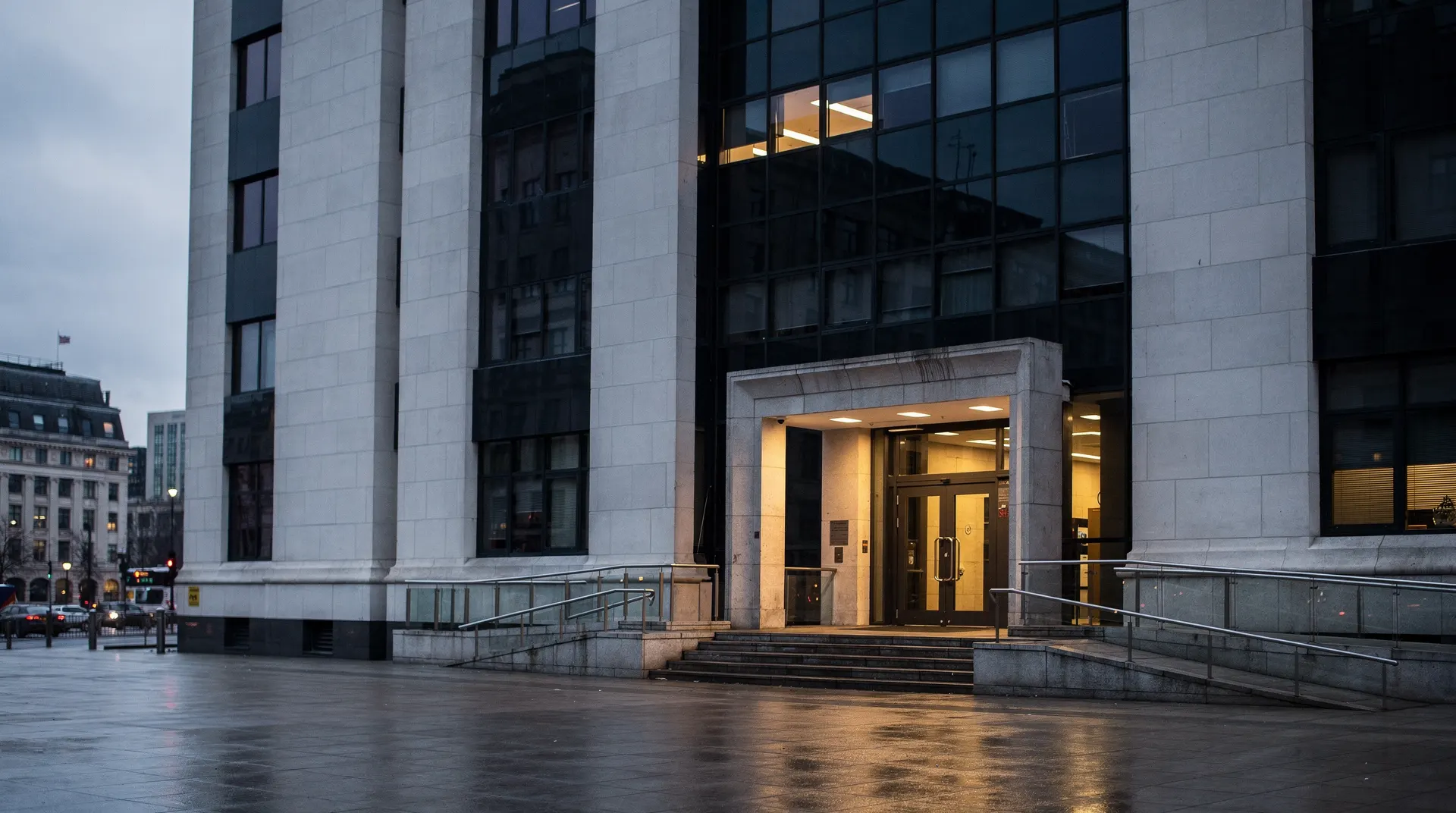
The UK's Department for Work and Pensions took almost all of its online pensions and benefits services offline on the morning of Friday 27 November after identifying what it called a cyber incident affecting its systems. Officials have not confirmed a cause, and no restoration timeline has been announced, leaving millions of recipients unable to check accounts, claim benefits or complete mandatory job-search logs.
The scale is the money story for a macro reader. Universal Credit alone covers 8.4 million claimants who, per the department, could not access their online journals, the tool used to prove active job-seeking and trigger a payment cycle. Add state pensioners, who typically file through an online portal, and PIP applicants, and the affected population runs into the millions of households. The department's own statement, published on GOV.UK on 27 November, said "regular benefit and pension payments are not affected and will be paid as normal," and it told customers with problems to call their usual benefit line.
Related reading: FinCEN Cyber Attack: Watchdog Takes Systems Offline.
The reassurance has not fully landed. BBC reporting on 27 November spoke to claimants who said the money they rely on had not come through by payday, and to others who feared sanctions for missing the job-search journal entries they could not file. DWP has said it "will not sanction" customers who cannot attend or update their circumstances during the outage, though sanctions already processed earlier still apply. For a system that runs on a tightly scheduled payment cadence, the gap between an official guarantee and individual account statements is precisely the kind of timing risk that matters.
Work and Pensions Secretary Pat McFadden described the event as a "serious cyber incident" in press comments on 27 November, saying the government took systems down "in order to protect the public" and to protect personal information, while keeping regular payments running. Downing Street separately said there was currently no evidence that customer data had been lost and no evidence that a malicious actor had targeted other government departments; the prime minister's official spokeswoman declined to rule out that the DWP outage itself had been a hack, calling it a "live and ongoing incident." The department said it is working with GCHQ's National Cyber Security Centre and the Government Cyber Coordination Centre to investigate unusual activity first identified on Thursday 26 November.
Related reading: CIA and ODNI cyberattack breached unclassified intelligence systems, officials say.
The unresolved questions are what a benefit-and-pensions platform breakdown costs and how long it lasts. DWP sits across the largest transfer payments in the British state, with personal independence payments, Universal Credit and the state pension together accounting for a large share of annual welfare expenditure. Payments themselves are the liability, and DWP says they continue. The exposure is operational and reputational: any delay or error in a scheduled payment ripples directly into household cash flow, and each day offline extends the backlog of unprocessed claims and journal updates that must be cleared before the system draws level.
The broader signal sits outside any single department. The event is one entry in a run of disruptions that the Financial Times has framed as a wave of cyber incidents rattling western economies, and UK authorities have flagged the trend in advance. Earlier in November the National Cyber Security Centre's chief executive, Richard Horne, warned of the "real prospect of an unprecedented rise in the number of cyber incidents," and UK financial regulators have proposed guidance for firms to prepare for and recover from attacks. Against that backdrop, a multi-day outage at the agency that pays welfare and pensions reads as a test case of critical-infrastructure resilience, not an isolated IT fault.
Related reading: HII REMUS 620 contract: $186M Royal Navy UUV order.
For the investor following sovereign and consumer stress, the date to watch is the next scheduled DWP payment cycle and any official update on restoration. The department has given no timeline, and until it names one, the risk is concentrated in payment timing and the large backlog, running alongside the wider rise in incidents that officials themselves have warned is coming.
Related reading: Federal Reserve flags AI as the top financial stability risk in its latest survey.
This content is for informational purposes only and does not constitute financial advice. Past performance is not indicative of future results. Consult a qualified financial advisor before making investment decisions.
Get daily intelligence delivered
Create a free account for the Daily Brief every weekday and The Week Ahead every Sunday. No card required.