Cerebras stock jumps on Microsoft deal and record Q3 revenue

AI chipmaker Cerebras Systems reported record revenue for the third quarter, raised its full year 2026 core revenue outlook to a range of $940 million to $960 million, and was reported to have added Microsoft as a customer. In the wake of the Nov 12 after-hours release, Cerebras shares jumped and were changing hands near $108 in Nov 13 trading, up about 20% on the session from the previous close of $89.68, per the live market quote. The move is a reminder of both the scale of the AI compute boom and how much is already priced into challengers to Nvidia.
The numbers land at a moment of peak competition in AI compute. Cerebras said third quarter GAAP revenue rose to $210.8 million, a record, and that cloud revenue grew 265% from a year earlier, per the Nov 12 earnings release. The company frames results through a core revenue measure that strips out the cost of contracted data center capacity; that core revenue hit $230.9 million, up 70% year over year, with cloud driving the growth at $144.9 million, up 272%.
Related reading: TSMC Q3 Earnings: Record Profit Up 68.7% as AI Demand Lifts 2026 Outlook.
The guidance is the more consequential signal. Cerebras now expects full year 2026 core revenue of $940 million to $960 million, up from the prior range, and guides fourth quarter core revenue to $310 million to $330 million at a core gross margin of 47% to 49%. Management also said 2027 revenue is expected to triple from 2026, a trajectory that depends on keeping enough AI wafer capacity contracted and delivered on time.
That is where the Microsoft story fits. Financial media, including Barron's and CNBC, reported on Nov 12 that Microsoft had become a Cerebras customer as part of an effort to broaden the chipmaker's base beyond its anchor OpenAI relationship. Cerebras did not name Microsoft in its own release, which cited commercial wins including new hyperscaler customers and growing inference demand. Reported customers matter in this market because hyperscalers are the buyers that validate an alternative to Nvidia at scale.
Related reading: Intel Q3 Earnings: AI Server Revenue Jumps 78% as the Stock Falls 21%.
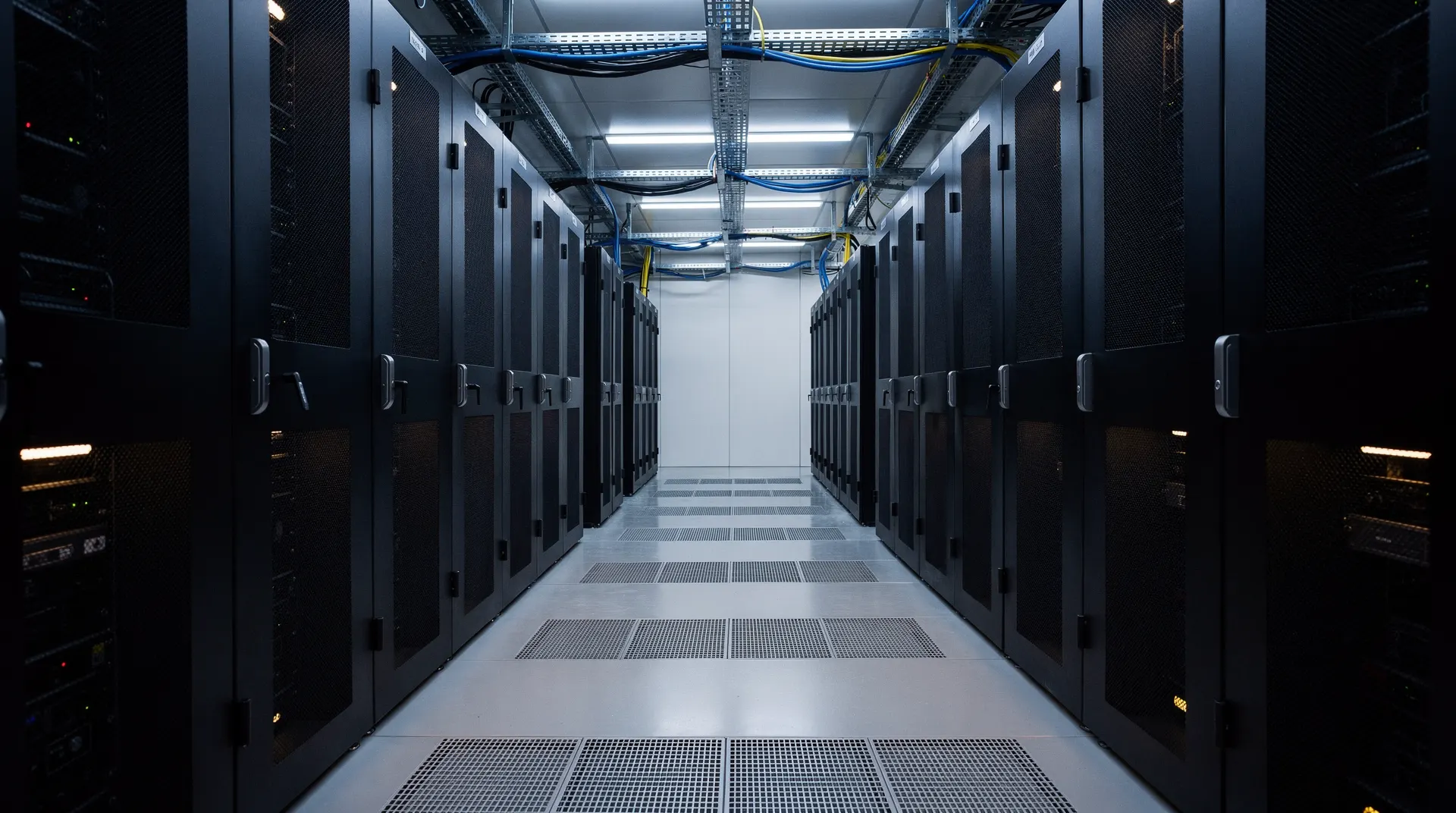
The capacity backdrop gives the deal weight. Cerebras said it has 700 megawatts of data center capacity under contract for delivery by the end of 2027, with a pipeline it says already reaches gigawatt scale. Remaining performance obligations stood at $26.1 billion as of Sept 30, 2026. On the balance sheet, the company holds about $7.8 billion in cash and equivalents with $850 million of additional debt capacity, funding it to build out those megawatts ahead of revenue.
The bull case is straightforward: an installed base of committed capacity, a hyperscaler now reported on the customer list, and a backlog that stretches years into the future. Cerebras positions itself as the low latency inference alternative to graphics processing units from Nvidia, and inference is where hyperscaler spending is compounding. A customer win of Microsoft's scale, once confirmed in filings, would add a second pillar to a revenue story that today still leans heavily on OpenAI.
Related reading: AMD Q3 earnings: data center revenue nearly doubles to a record $8.5 billion.
The risks are just as concrete. Gross margin on core revenue, guided to 42% to 44% for all of 2026, remains thin for a hardware company, and the model depends on filling thousands of newly contracted megawatts at prices that cover their cost. Nvidia defends the segment with newer accelerators and a far deeper software stack, and Microsoft is a major Nvidia customer in its own right. Any slippage in delivery dates, a repricing of contracted capacity, or a slower pace of incremental hyperscaler wins would test a valuation that the market has already marked down sharply from the 52 week high.
For the AI markets desk, the takeaway is that silicon competition has moved from announcement to execution. Cerebras turned in the quarter, raised the number, and handed the Street a marquee customer story in the same breath. Whether Microsoft converts from a reported win to a named one, and whether the megawatts under contract keep converting to revenue, is the next checkpoint, and the counterweights sit with Nvidia's own roadmap and the pace at which hyperscalers commit more of their capex to alternatives.
Related reading: Lam Research Posts Record Quarter but Supply Bottlenecks Cap the AI Chip Equipment Ceiling.
This content is for informational purposes only and does not constitute financial advice. Past performance is not indicative of future results. Consult a qualified financial advisor before making investment decisions.
Get daily intelligence delivered
Create a free account for the Daily Brief every weekday and The Week Ahead every Sunday. No card required.