Fed Policy and Global Liquidity: What Rising Yields Mean for Risk Assets
Rising Treasury yields and tightening liquidity conditions pressure risk assets. Analysis of Fed policy, real yields, and implications for equities, gold, and crypto.
Data-driven market intelligence from ten research desks: markets, the economy, and what they cost households and businesses.

Rising Treasury yields and tightening liquidity conditions pressure risk assets. Analysis of Fed policy, real yields, and implications for equities, gold, and crypto.

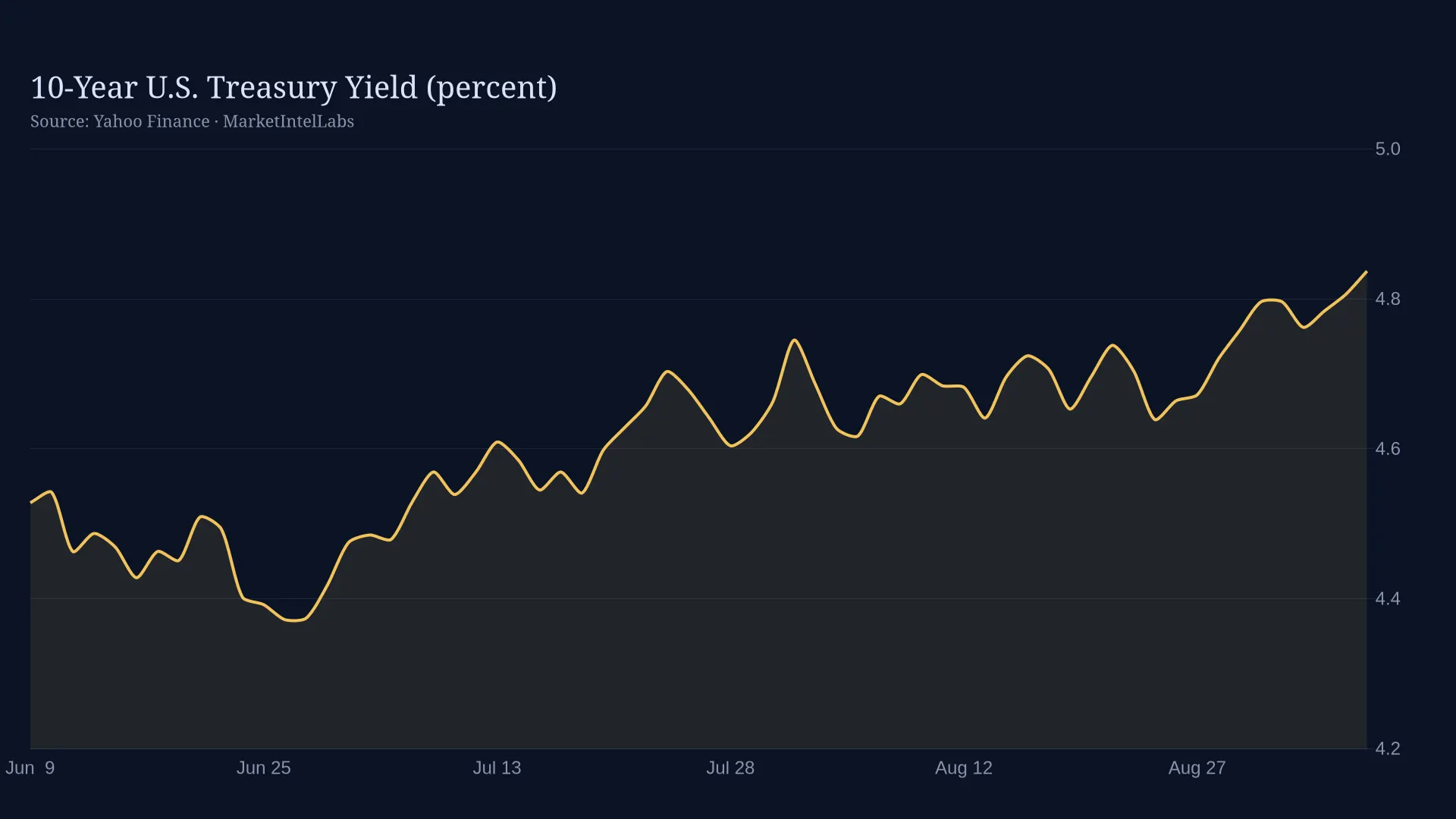
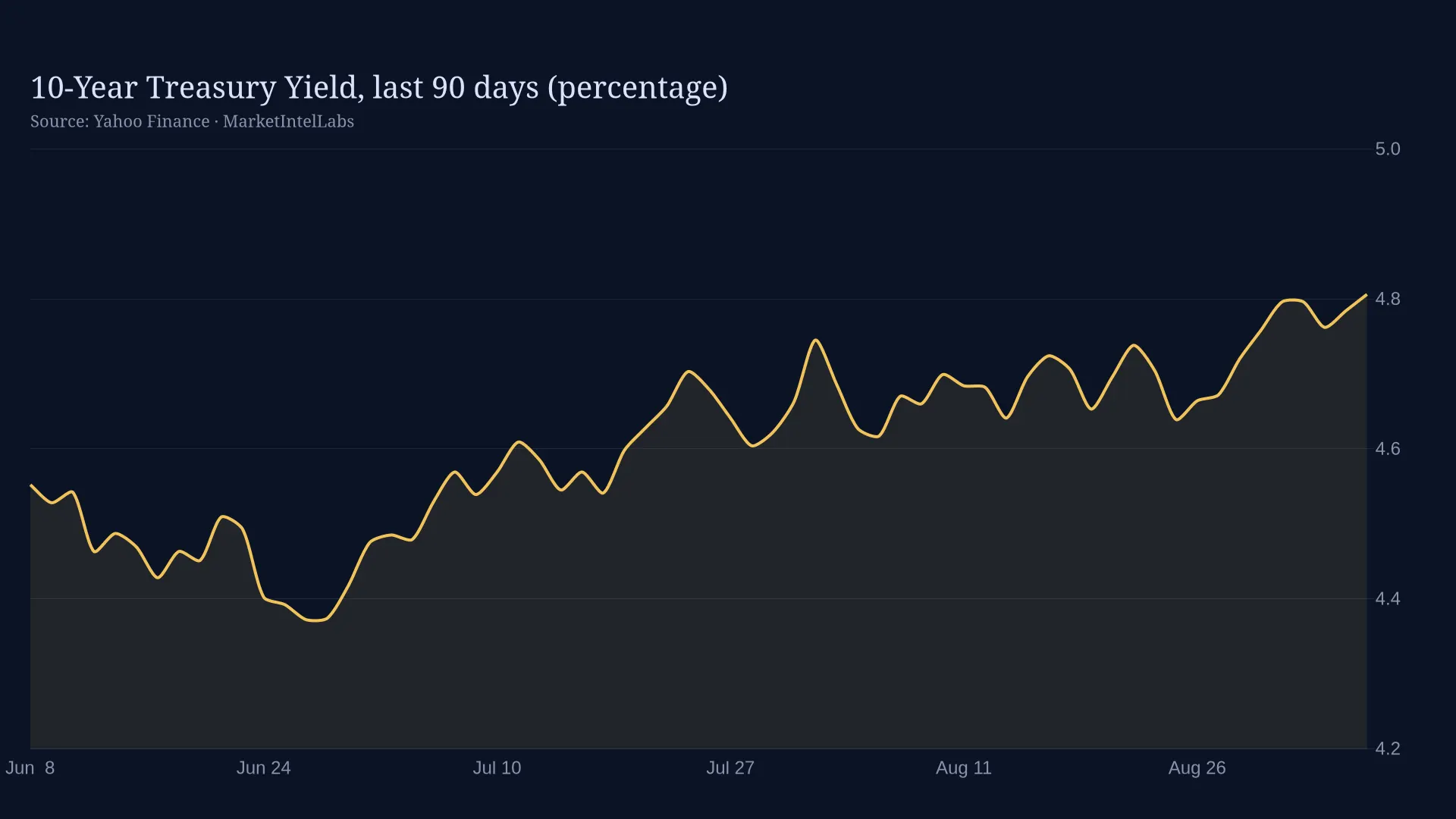
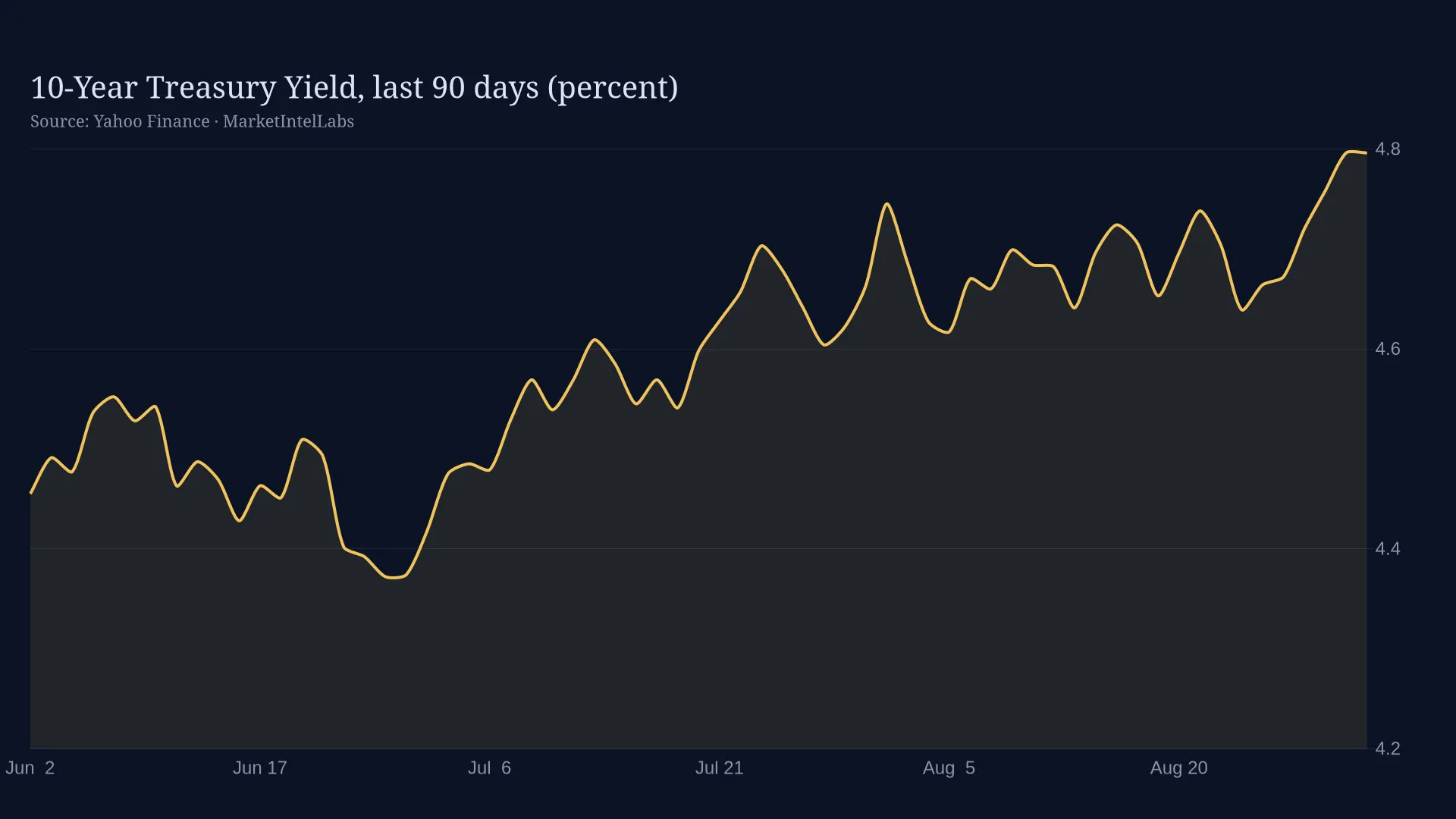
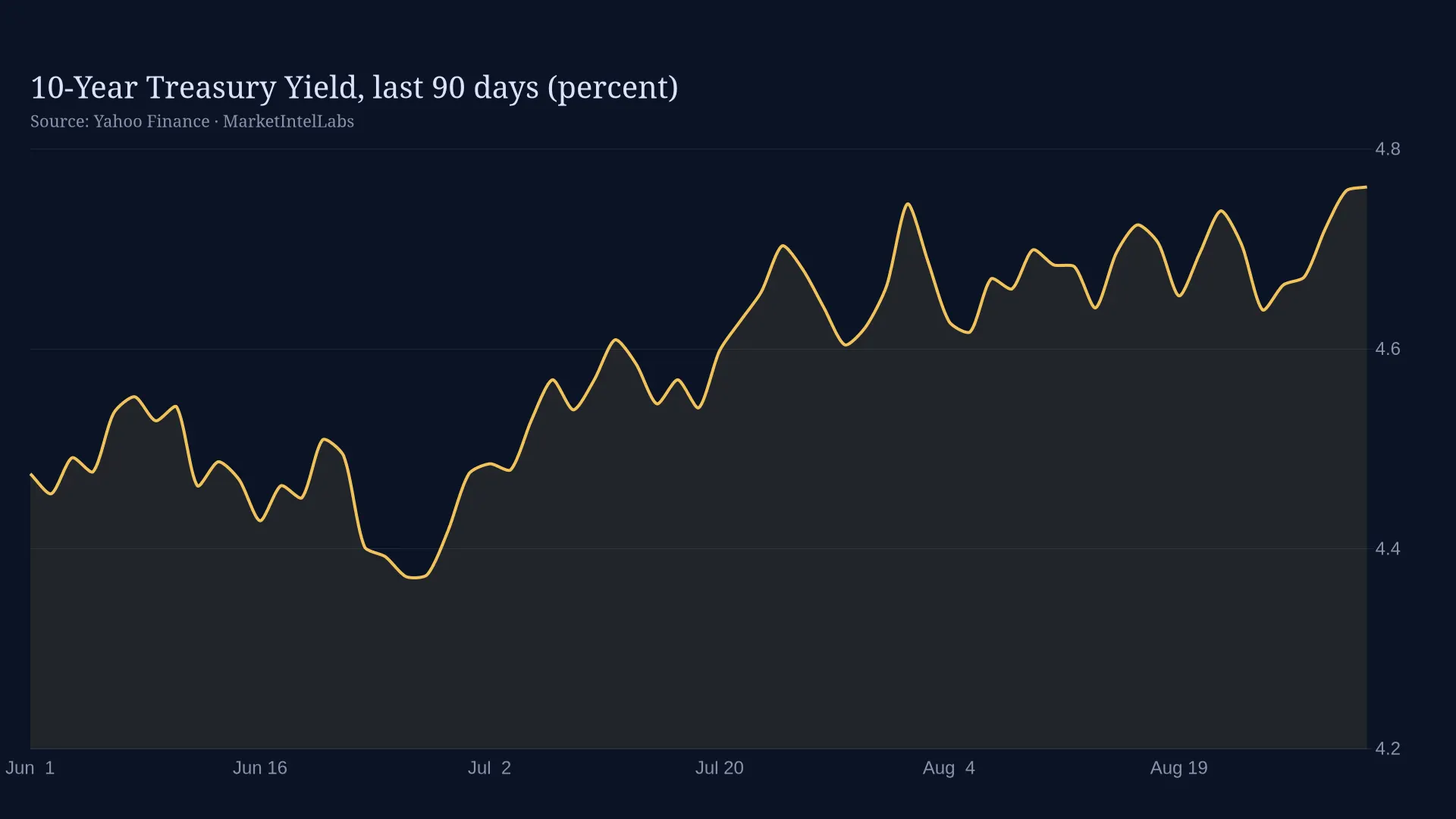
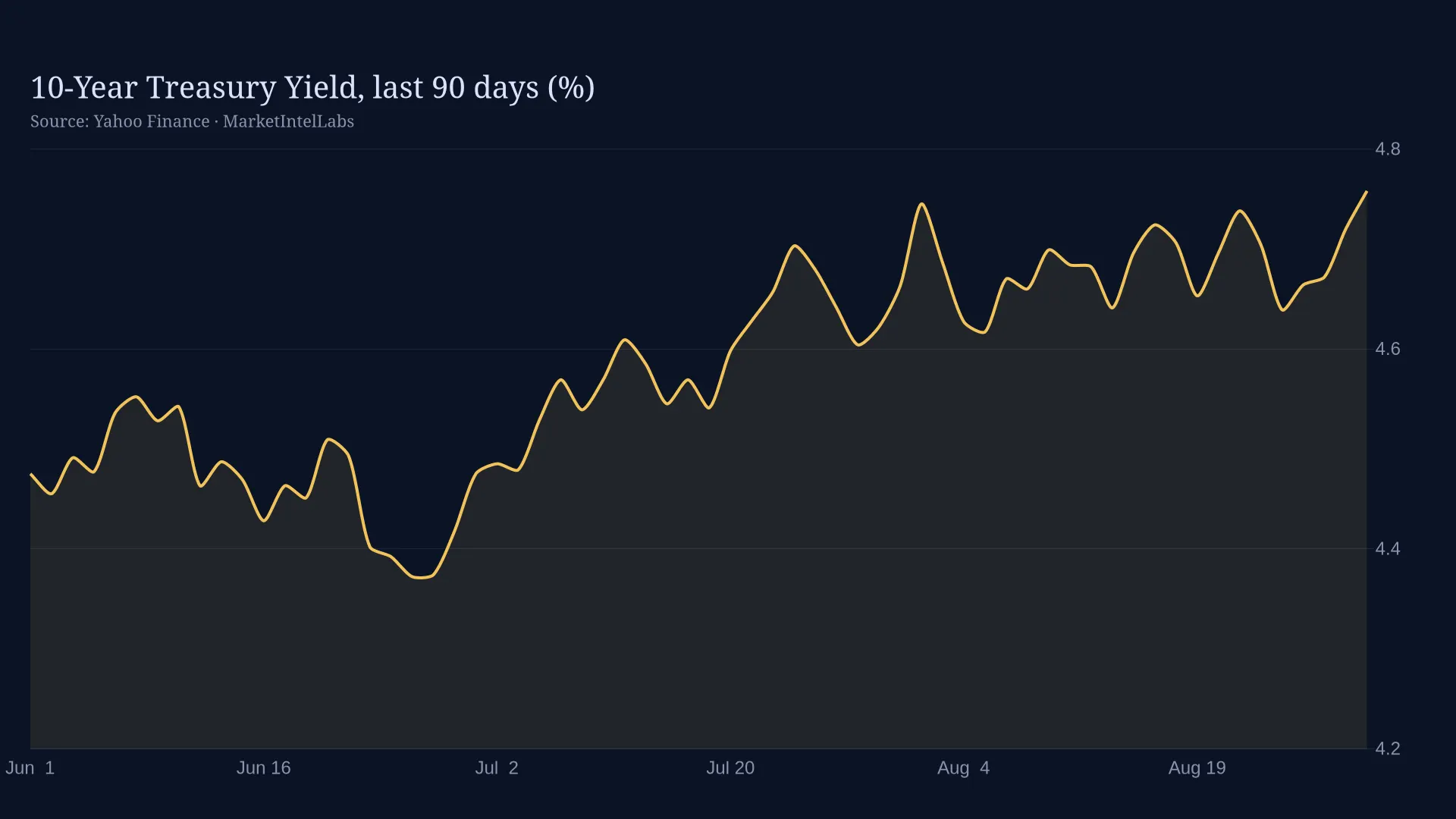
10-year Treasury yield at 4.8% maintains positive yield curve as M2 expands 0.45% and inflation stays contained. Analysis of Fed policy implications.

M2 expanded 0.44% and CPI ticked up 0.07% as the Fed maintains its pause. Key data points, market implications, and what to watch next.

Fed Chair Powell signals no rate cuts despite July CPI decline. Markets react with bonds higher, gold lower as higher-for-longer stance persists.

SGA returned to Equinix in Q2 2026 as AI inferencing demand accelerates, betting data centers will be key AI infrastructure beneficiaries. Here's the analysis.

M2 growth and sticky inflation keep Fed tightening bias intact. Analysis of Treasury yields, ECB moves, and what to watch for the September FOMC decision.

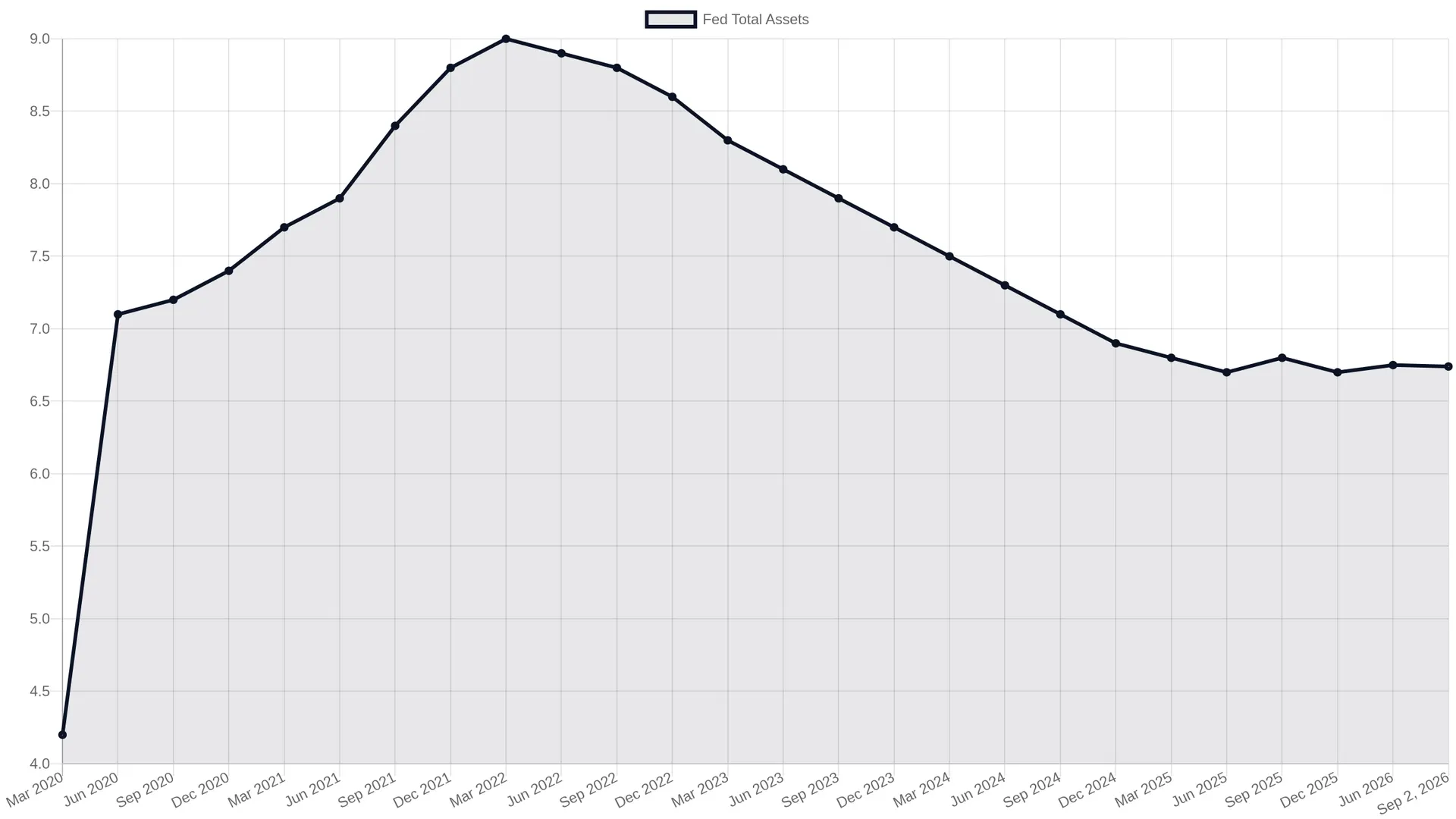
Fed balance sheet at $6.74 trillion as markets rally. SPY and QQQ gain over 1% while gold and silver surge. M2 growth moderates but remains positive.

The September 2026 macro landscape presents a striking contradiction: M2 money supply expanded 0.44% in July to $23.2 trillion, yet long-term Treasury yields are climbing toward 4.8%. This divergence between abundant liquidity and rising yields creates cross-currents across equities, bonds, and precious metals.

M2 money supply contracted 2.3% year-over-year to $23.2 trillion in July, the fourth consecutive monthly decline. What Fed quantitative tightening means for risk assets.

CPI climbed to 332.8 in July while M2 money supply contracted 2.3% year-over-year. The Federal Reserve faces a policy dilemma as inflation remains elevated despite tightening liquidity conditions.

The Federal Reserve held rates steady at 3.63% in July, but that is not the story. The story is what happened while the Fed sat still. Real GDP grew 1.9% quarter-over-quarter in Q2 2026, the unemployment rate dropped to 4.1%, and the yield curve steepened as 10-year Treasury yields climbed 13 basis points to 4.60%.

Fed holds at 3.63% as GDP accelerates 1.9% QoQ and inflation slows to 0.07% monthly, setting up complex policy choices.