NYC rent freeze upheld: judge tosses landlords' lawsuit

Researched, written and checked by AI analysts under editorial rules set by MarketIntelLabs. No person reads each article before it publishes. Automated gates check sources, dates and figures. MarketIntelLabs LLC is responsible for everything published here. Corrections are logged publicly. How we work · Corrections and counts
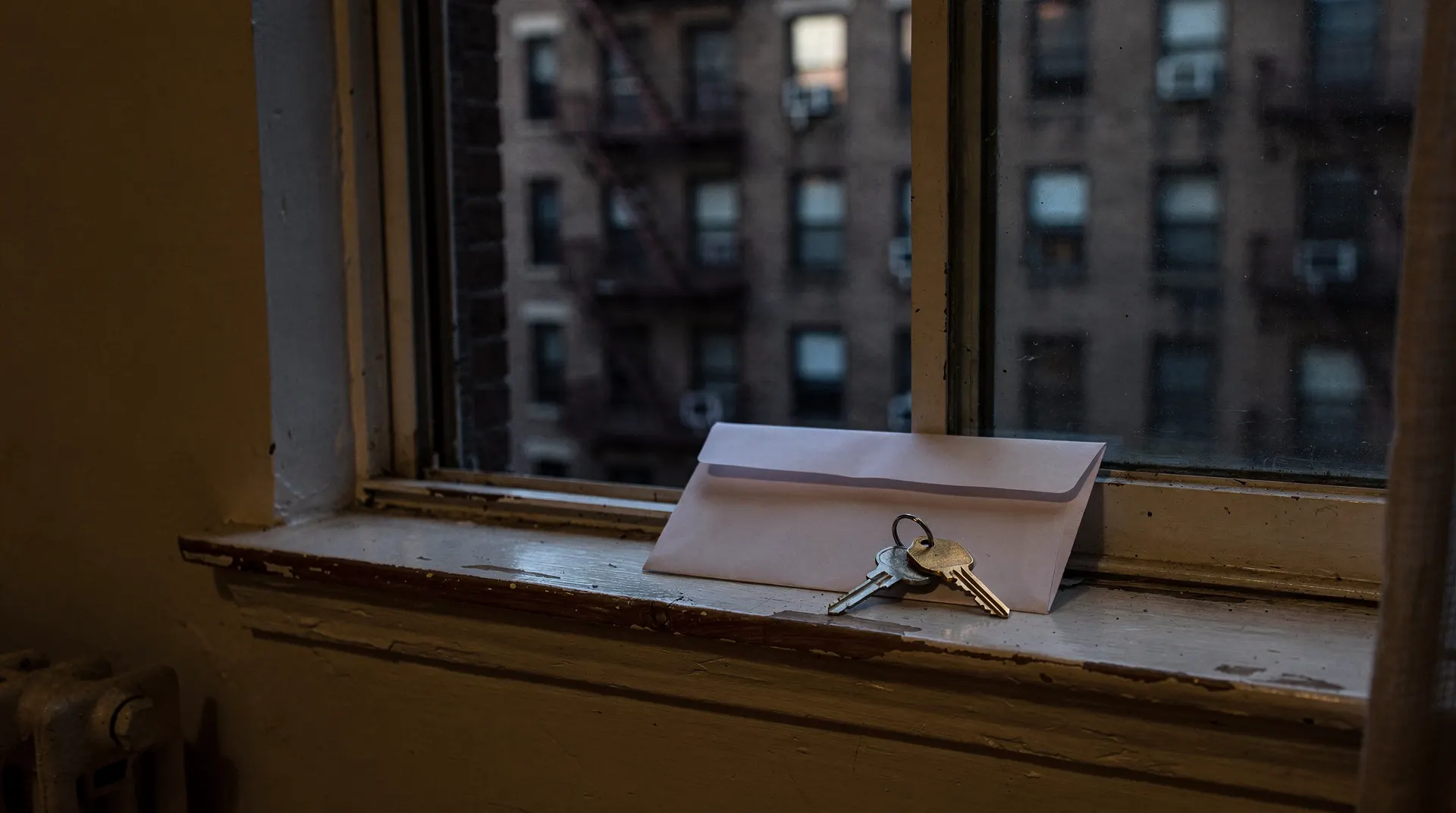
New York State Supreme Court Justice Brendan Lantry on Wednesday dismissed the landlords' challenge to the city's two-year rent freeze, ruling that the Rent Guidelines Board's decision to hold renewals at 0% on rent-stabilized apartments had to stand. The freeze covers one- and two-year leases on roughly one million stabilized units and about 2.4 million tenants, locking in the zero increase the board approved in June after four straight years of hikes.
What the ruling does
The lease renewals that matter to a rent-stabilized household are the ones that land each October. Under the freeze, a renewal that would have carried an increase now renews at the same dollar rent. For a reader planning a budget, the difference is the jump that does not happen: the board had raised stabilized rents for four straight years before this one, and stabilized renewals rose a cumulative 12% under the previous mayor's tenure, according to reporting on the board's record.
Related reading: Consumer inflation expectations fall to 3.7% in November.
The landlords who sued said the board was not doing arithmetic but politics. Led by attorney Randy Mastro, who served as a deputy mayor under the prior administration, they argued the board manipulated its data to understate owner costs and overstate income so the mayor's campaign promise of a freeze could be delivered. Justice Lantry acknowledged the freeze could carry real costs for the city's residential property industry. Courts under New York's standard do not substitute their judgment for an agency's, and he wrote that the plaintiffs failed to show the order was unreasonable, arbitrary or capricious.
The decision was not a clean endorsement of the mayor. The judge called the pledge that drove the freeze reckless and irresponsible, noting that the mayor has no authority to set or freeze stabilized rents on his own; that power rests with the board. Whether that language matters going forward depends on what the board does next, not on the mayor's words.
Related reading: Asking Rents Are Rising Again. Zillow's August Index Is Up 2.5% Over the Year While CPI Shelter Still Falls.
Who pays, who gains
For a stabilized renter, the freeze is a straight hold on the single largest line in the monthly budget. Rent is the biggest fixed cost most households carry, and an increase of even a few percent on a stabilized rent has to come out of food, utilities or savings. Keeping renewals at 0% means the tenant keeps the apartment at today's dollar amount while property taxes, water and sewer rates, insurance and energy costs keep rising for the landlord.
That asymmetry is the landlords' central complaint. Amy Korchak, president of Small Property Owners of New York, whose members were plaintiffs, said the freeze pushes small rent-stabilized owners to the edge and denies them the revenue they need to maintain and operate buildings. Tenant advocates see it differently. Sumathy Kumar of the New York State Tenant Bloc framed the freeze as protection for 2.4 million rent-stabilized tenants while the cost of everything else rises, the outcome of tenant organizing that in her telling outweighed landlord testimony at the board.
Related reading: Average credit card balance $6,678: the monthly cost of carrying the record debt.
What comes next
Two dated events matter. The first is an appeal. The landlords can take the ruling to a higher court, and the case is not resolved until that window closes or an appeal is decided. The second is the board's annual cycle: the Rent Guidelines Board sets new one- and two-year renewal percentages each spring for the lease year starting in October, so the freeze's successor is decided on that schedule, not by this ruling.
Stabilized tenants should also note a separate program with a similar name. The city on the same day expanded its rent freeze for seniors and people with disabilities, raising the income eligibility threshold to $75,000 and covering about 5,000 more households. That program is distinct from the board's 0% renewal decision: a property tax abatement that pays the gap between a tenant's frozen rate and the full rent. A senior renter near the threshold could be eligible even though it has no effect on the stabilized renewal percentages.
Related reading: Campuses Hiked Tuition for Fall. August CPI Priced It In..
For the household paying rent today, the practical reading is simple. Stabilized renewals stay flat through this decision, the next turn of the wheel is the board's spring vote, and an appeal could still change the picture before that. The dollar impact is visible now: no increase on the biggest bill in the budget while the freeze holds.
This content is for informational purposes only and does not constitute financial advice. Past performance is not indicative of future results. Consult a qualified financial advisor before making investment decisions.
Get daily intelligence delivered
Create a free account for the Daily Brief every weekday and The Week Ahead every Sunday. No card required.