Nvidia H200 chips stockpile in Hong Kong grows as China holds import approval

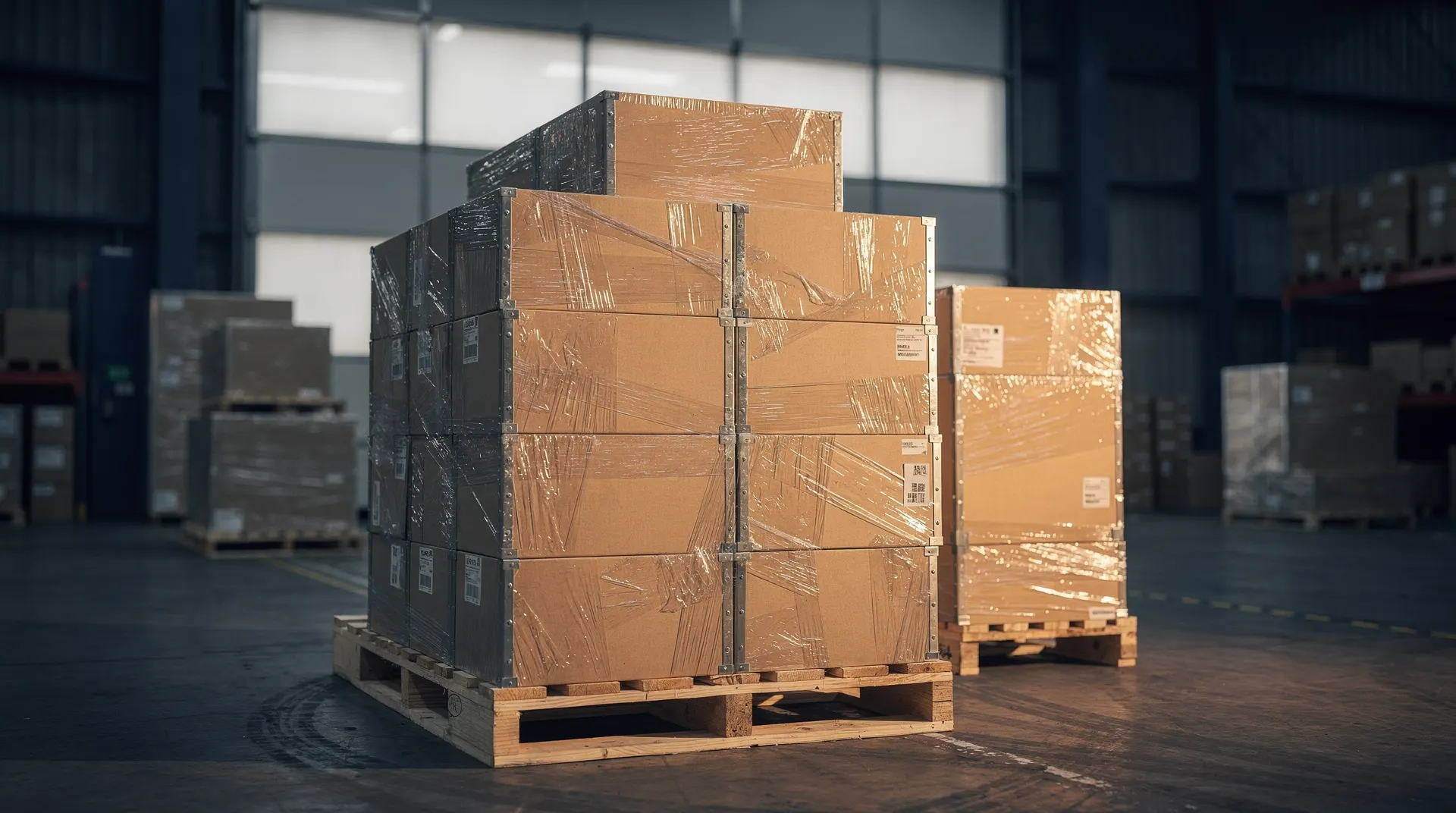
China's approval process for Nvidia's most advanced AI chips is the quiet bottleneck under the loud AI trade war. About 600,000 H200 accelerators are stored in Hong Kong waiting for clearance to cross into mainland China, and Beijing is not granting large-scale import permission despite strong demand from technology companies, according to a Reuters exclusive published November 5 citing two people familiar with the matter.
Related reading: China AI Chip Rush: ByteDance, Alibaba, Tencent Order $35B of Nvidia RTX PRO 5500.
The stockpile is a pure supply-and-policy pressure point for the AI chip market. Nvidia's newest chips already sit on the other side of US export controls, and Chinese firms that want the compute to run growing AI workloads in the world's second-largest economy increasingly need what Nvidia can still legally sell. The H200 is not Nvidia's top-tier product, but it is the highest-end accelerator the company is allowed to ship into China, which makes it the marginal chip in the country's AI race.
That scarcity is showing up in prices. An eight-card H200 server was offered for more than 6 million yuan, about $900,000, in mainland China by the end of October, according to one person familiar with the matter cited by Reuters. That was roughly three times where the same server priced a year earlier. Servers built around Nvidia's newer Blackwell line, which falls under US controls, were offered at more than 20 million yuan apiece, the same source said. At $1 equals 6.6693 yuan, the H200 eight-card system works out to just under a million dollars.
Related reading: China AI export curbs to gate 23 AI technologies, from models to chip design.
China has allowed some chips through in recent months, and several major Chinese internet companies have each obtained about 10,000 H200 chips in the past few months, one person told Reuters. But the aggregate flow is thin against demand. The Information reported in July that Chinese officials told companies including Alibaba, ByteDance and DeepSeek they could receive permission to buy limited quantities of H200 chips for training AI models, and that total approvals could amount to fewer than 200,000 chips, with Beijing wanting firms to prioritize domestic processors for inference work, the task of actually running AI models.
The policy backstory frames the stockpile. US export controls in place since 2022 have sought to restrict China's access to advanced Nvidia chips and the equipment used to make them, and Reuters reported in May that the United States had approved H200 chip sales to 10 Chinese firms, including Alibaba, Tencent and ByteDance. The Hong Kong logjam is the follow-through: the approval pipeline exists, but the scale of green lights the market assumed has not arrived.
Related reading: Hon Hai Monthly Revenue Jumps 46% in October on AI Server Demand.
For the AI markets, the number to watch is what the stockpile means for Nvidia's China revenue and for the grey-market premium on H200 hardware. China is a small share of Nvidia's total revenue after the controls, so the 600,000-chip parked inventory is not itself a swing in Nvidia's top line. What it does is compress the supply available to Chinese labs and cloud operators at exactly the moment their AI capex plans are running hottest, lifting the effective price they pay and widening the gap between US and China AI compute costs.
Nvidia shares were under heavy pressure this week along with the broader AI complex, trading near $181.60 intraday on November 6, down more than 9% from the prior close on Yahoo Finance data fetched this run, as investors repriced AI hardware and software valuations. The Hong Kong clearance delay sits underneath that sentiment as a reminder that chip supply into China remains discretionary and slow, and that Beijing holds a lever it can pull with little notice.
Related reading: Amazon's Nvidia Financing Talks Meet a $7.6 Billion Cash Flow Gap.
What is dated next is any signal on the approval pipeline itself. Beijing has moved to allow dribs of chips through rather than a broad reset, and each leak of approval totals will move the H200 premium in China and, at the margin, Nvidia's expectations for the region. Any advance in the stockpile's release would push H200 server pricing down from the three-times-levels documented in October. A continued hold would keep the premium high and put more pressure on Chinese AI spenders to shift toward domestic alternatives or older, looser-controlled hardware.
The mechanics matter for anyone reading Nvidia's numbers. H200 units held in Hong Kong are inventory in limbo, not lost sales and not realized revenue, and they can clear quickly if approval arrives. The cleaner read is that China AI growth is real enough that demand outstrips a controlled flow, and that policy, not physical manufacturing, is the binding constraint on that market at the margin. That is the tension that will keep the H200 story on the screen until either the hold lifts or Chinese buyers adapt around it.
This content is for informational purposes only and does not constitute financial advice. Past performance is not indicative of future results. Consult a qualified financial advisor before making investment decisions.
Get daily intelligence delivered
Create a free account for the Daily Brief every weekday and The Week Ahead every Sunday. No card required.