Naver AI Factory Investment Closes at $10B as Brookfield Adds $9B and Nvidia $1B

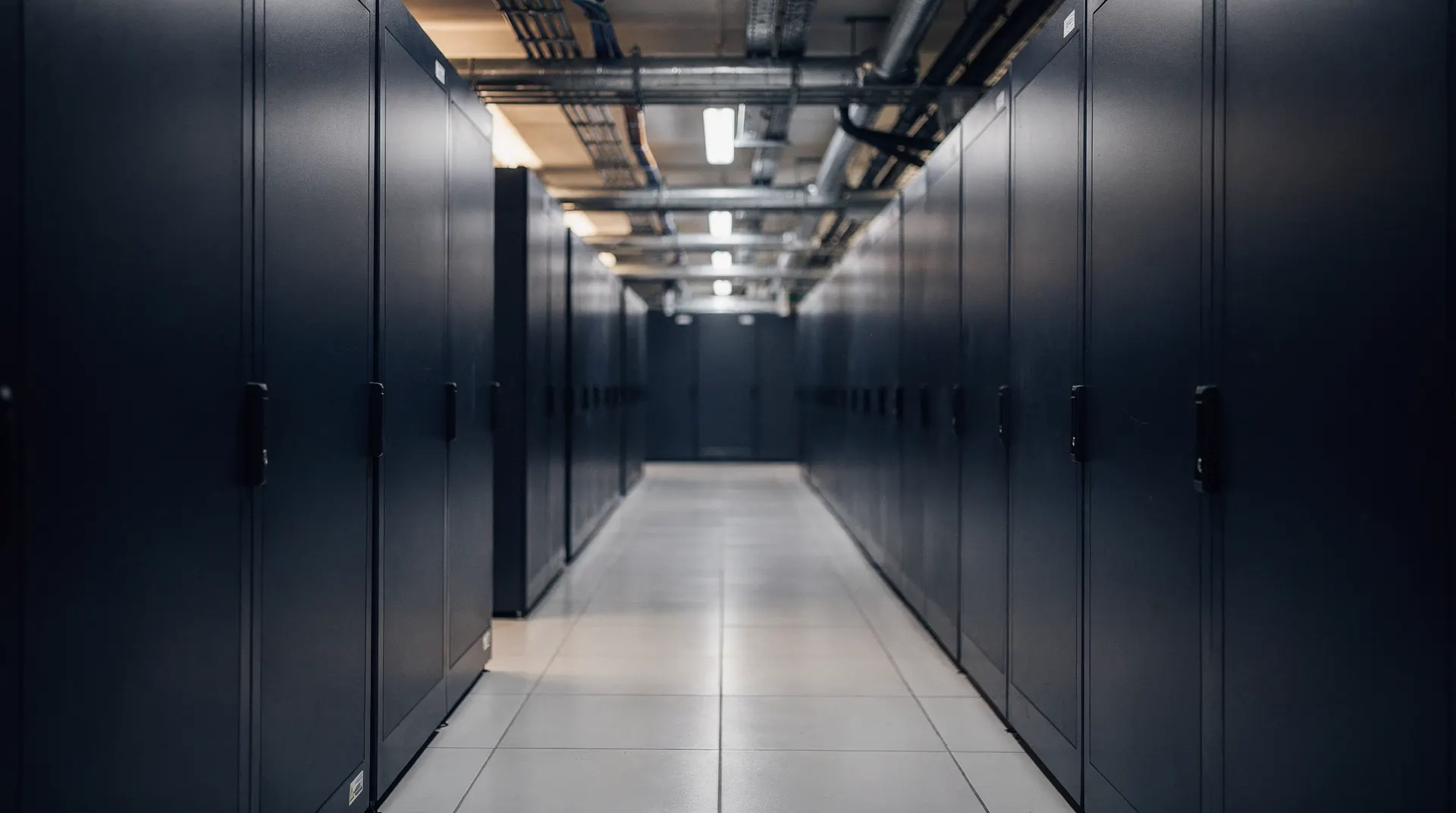
Naver has closed the biggest single AI-infrastructure commitment in South Korea's tech sector: a combined $10bn package split between an asset-backed financing from Brookfield and a strategic equity stake from Nvidia. Seoul-based Naver said this week it had signed a $9bn agreement with Brookfield to lock in computing capacity, a step that met the precondition for Nvidia's previously announced $1bn investment, and Data Center Dynamics reported on Oct 29 that the full package is now closed and the buildout is moving into execution.
The structure is the story as much as the size. Under the agreement, Brookfield will set up an asset-owning vehicle, tentatively named Asset Co., that invests up to $9bn to acquire AI infrastructure, including GPUs and data centers, and then provides the resulting computing power back to Naver Cloud. Naver keeps the capacity without carrying the acquisition on its own balance sheet, which is what lets a company with Naver's P&L bankroll a buildout that would otherwise strain its debt profile or force a dilutive raise.
Related reading: Korean Banks Step Into the AI Datacenter Debt Market.
On Nvidia's side, the transaction converts an earlier arrangement into an equity position. Nvidia commits $1bn to Naver as a strategic investment, and the closing of the Brookfield agreement was the precondition that cleared the way. Nvidia supplies the GPU hardware through its DGX and DSX platforms, so the equity stake effectively wires its silicon into a state-aligned sovereign AI program rather than a retail cloud business. The numbers attach to Naver's stated ambition of a 1,000-megawatt (1 GW) global AI factory. The first 55 MW sits at the GAK Sejong data center and is scheduled to go live in the first half of 2027, scaling to 200 MW in 2028 before capacity is added overseas in later phases. Naver already runs six cloud regions across South Korea and single regions in Japan, Germany, Singapore and the US West Coast, with East Coast, Vietnam, Taiwan and Thailand listed as next, and Middle East and North Africa markets marked for expansion.
Read as money flow, the package is a signal for how AI capex moves in this cycle. The dominant model for hyperscalers has been on-balance-sheet spend or dedicated financing vehicles built around single anchor tenants. Naver's deal hands the assets to Brookfield, prices the compute as a service back to Naver Cloud, and lets a private asset manager hold the depreciation risk. That template is the same one financing a wave of GPU-backed capacity for US clouds, and applying it to a sovereign AI cloud in Asia is a notable extension, because it says the off-balance-sheet approach is no longer confined to the largest US names.
Related reading: AI Infrastructure Debt Repricing: What a 5% 10-Year Does to the Capital Stack.
There is a real cost to the structure. Brookfield is not a charity; Asset Co. will charge Naver Cloud for the use of its GPUs over the life of the assets, so the deferred spend still lands in Naver's operating cost base even if it stays off the financing line. The unit economics then depend on utilization: Naver Cloud has to sell or internalize enough compute to cover lease-style charges, and GPUs on accelerated product cycles carry obsolescence risk that lands on the vehicle, not on Naver directly, but flows back into the price of the service. The bull case is that Naver gets frontier-scale capacity years earlier than its balance sheet would allow, with Nvidia's equity aligning the chipmaker's interest in having the program succeed. The bear case is that Naver absorbs a fixed compute bill over several years in a market where GPU pricing and supply can both swing.
For investors the dated milestones are the same ones Naver published. The first 55 MW goes live in the first half of 2027, the program reaches 200 MW in 2028, and each capacity phase should move Naver Cloud's revenue and its compute bill together. The question worth watching is whether the asset-backed model, with Brookfield holding the GPUs and selling compute, gets repeated across Naver's overseas phases and whether other Asian sovereign-AI clouds copy the arrangement. That would tell you whether private capital financing for AI compute has become the standard tool rather than the exception.
Related reading: Nvidia DSX POD: Modular AI Data Center Cuts Deployment From 6 Months to 14 Days.
Related reading: AI Data Center Investment: Scaleway Plans NVIDIA B300 and AMD MI355X Builds.
This content is for informational purposes only and does not constitute financial advice. Past performance is not indicative of future results. Consult a qualified financial advisor before making investment decisions.
Get daily intelligence delivered
Create a free account for the Daily Brief every weekday and The Week Ahead every Sunday. No card required.