LA Long Beach port strike averted by watchmen deal

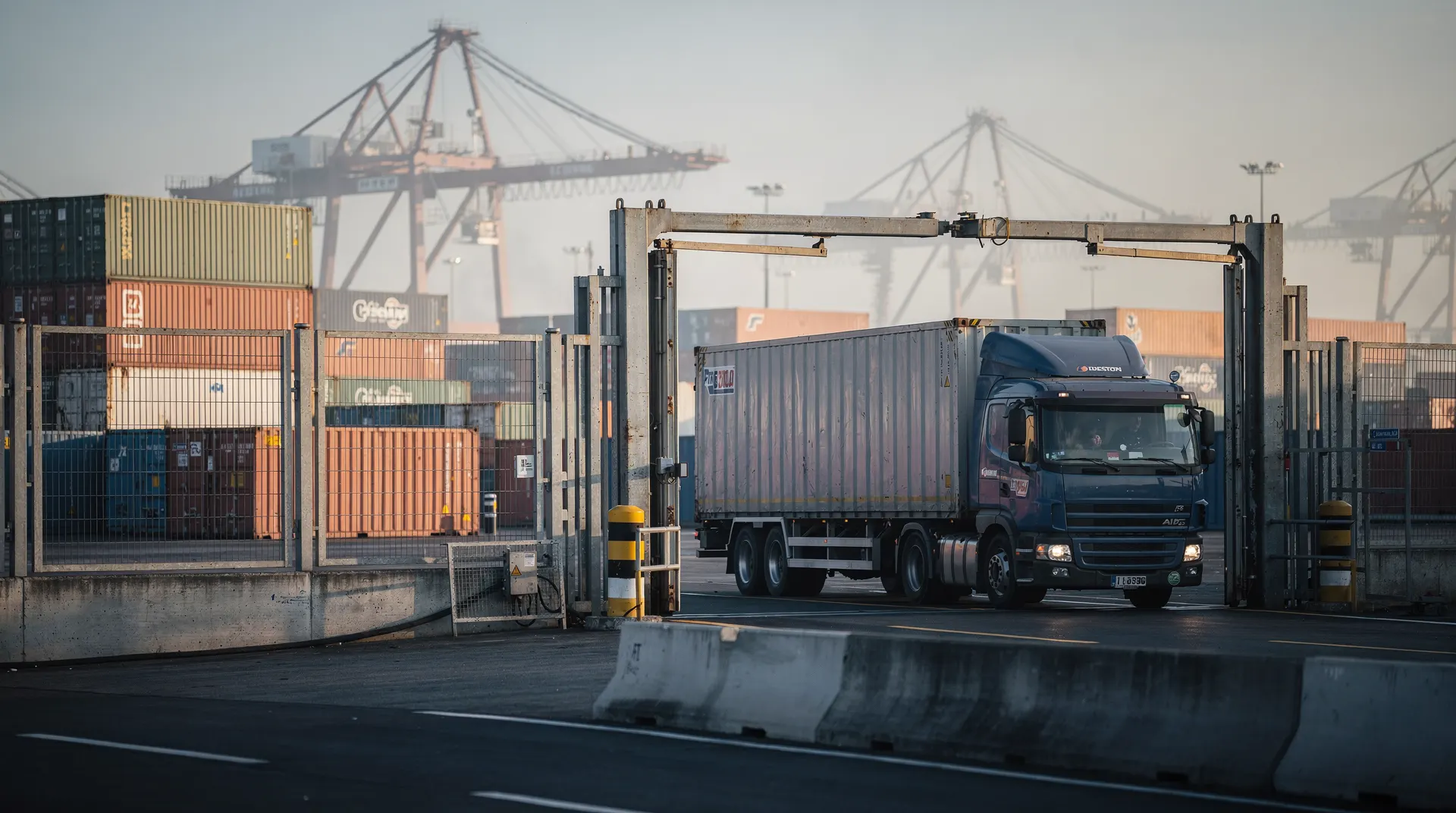
Security watchmen at the ports of Los Angeles and Long Beach reached a tentative labor deal with employers on Saturday, November 21, averting a strike that had been set to begin at 12:01 a.m. that day. The Pacific Maritime Association, which represents terminal owners, said the agreement covers about 250 watchmen represented by ILWU Local 26, and that the previous contract will be extended while members ratify the new terms.
The deal ends a threat that had hung over the country's busiest port complex for months. ILWU Local 26's contract for the watchmen originally expired in July 2025, and the two sides had gone through several extensions while the Federal Mediation and Conciliation Service guided the talks. The union had already voted to authorize a strike, and the Pacific Maritime Association warned on November 20 that thousands of longshoremen and marine clerks were expected to honor picket lines, which would have interrupted container handling across the complex.
Related reading: LA-LB port strike: Saturday walkout would idle six terminals.
Why a group of about 250 workers mattered so much comes down to what they guard. The watchmen perform security duties, including credential checks and routine patrols, at six container terminals in the San Pedro Bay complex. Those terminals handle roughly 85% of the cargo moving through the Port of Long Beach and about 33% through the Port of Los Angeles, so a picket line at the gates would have cascaded far beyond the watchmen themselves. The Pacific Maritime Association said the impact would stretch to truck drivers sitting idle, disrupted rail shipments and cut warehouse hours.
The timing made the stakes higher than an ordinary contract dispute. Both ports are in their busiest year on record, with holiday shipping peaking into November, and Southern California's inland network was already tight. More than 35,000 import containers had recently been reported waiting for on-dock rail service at the two ports, and BNSF rail was still working through severe flooding in New Mexico that disrupted its Southwest corridors. A work stoppage layered on top of that backlog would have pushed dwell times up and rippled inland freight for weeks.
Related reading: LA-Long Beach Port Watchmen Strike Threat Extended to Nov 5 as Volume Peaks.
The Pacific Maritime Association's public offer before the deal gives some sense of where the money landed. It had proposed a one-time bonus of $3,200 for each Local 26 member and a wage structure that would lift average annual earnings for full-time watchmen from more than $170,000 to $198,000, while maintaining healthcare benefits and raising pensions to as much as $93,200 a year for the longest-tenured workers. The association declined to disclose the terms of the tentative agreement, and ILWU Local 26 did not comment, so the final numbers will only come into view once the ratification vote happens.
For importers and exporters, the immediate risk has eased but the underlying conditions have not changed. Container rates were already under pressure from divergent routes, with trans-Pacific spot rates falling while Europe lanes firmed, and the port's congestion was building before any strike threat. The deal removes the labor wild card from that picture. What remains is whether the ratification vote clears without a hitch, and how fast the terminals work down the rail backlog and container dwell times that were building regardless of the labor dispute.
Related reading: LA Long Beach Watchmen Strike Deadline Pushed to November 20.
Watchmen are a small share of the union's footprint, about 2% of the ILWU workforce at the two ports, which is why the first contract extension talks looked manageable. But terminal security gates sit at the choke point: if credential checks stop, gates close, and gates closing stop the trucks and the cranes behind them. That is the chain that made a 250-person dispute a port-wide risk.
The read-through for shippers is mostly about rates and time. A strike at this complex in the week before Thanksgiving would have hit the cargo that feeds peak-season retail shelves, and carriers would have been quick to price the disruption into spot rates on the transpacific. With the walkout called off, the container rate story stays where it was: falling trans-Pacific spot levels against firmer Europe lanes, driven by capacity decisions rather than a port closure.
Related reading: LA-LB port strike: $885 billion in cargo at stake.
The next dated event is the ratification vote by ILWU Local 26 members, after which the new contract takes effect. Until then the existing contract stays in force, so port operations continue on the current schedule. Freight watchers will be tracking terminal gate turnaround and on-dock rail dwell through the holiday peak, because those are the numbers that will tell whether the averted strike left a lasting mark on the busiest port complex in the country.
This content is for informational purposes only and does not constitute financial advice.
Get daily intelligence delivered
Create a free account for the Daily Brief every weekday and The Week Ahead every Sunday. No card required.