FAA ground stop scrutiny: Duffy says L3Harris could have spotted the problem sooner

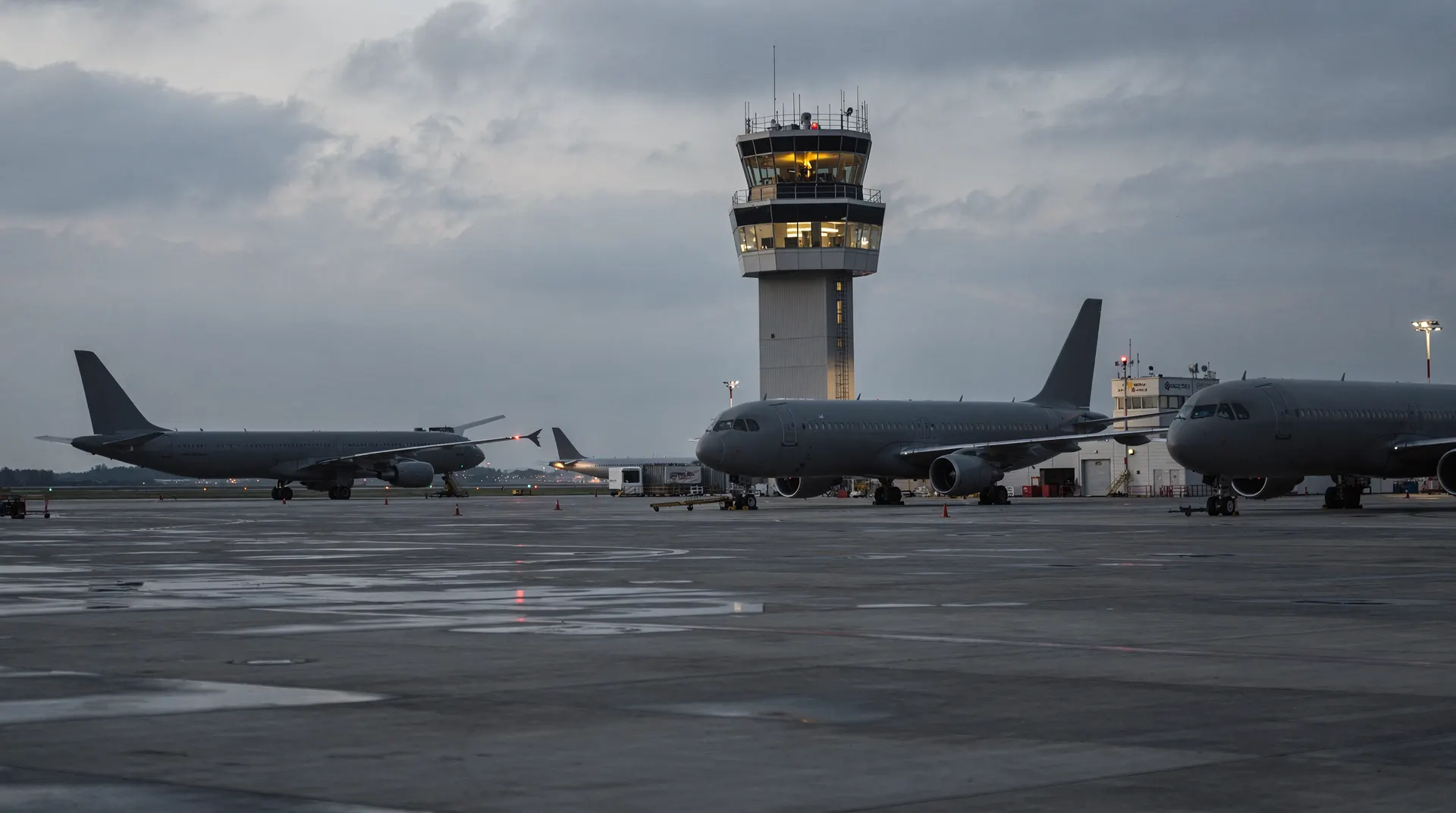
The nationwide FAA ground stop of Nov. 13 might have been shorter if contractor L3Harris had spotted the underlying systems problem sooner. It is the latest chapter in a security story we reported when the outage hit Nov. 13 (FAA nationwide ground stop). Transportation Secretary Sean Duffy made that argument in public statements this week, and new reporting from CNN and The Washington Post details what the FAA says it did not see coming: the air traffic control network provider was carrying out critical upgrades with little direct federal oversight at the moment the network failed.
L3Harris, a listed defense and aerospace contractor, is the FAA's current network service provider for the air traffic control communications backbone. The FAA's own account of the Nov. 13 outage, published Nov. 15 at faa.gov, said the network was flooded with about 1,000 connection attempts every four to five seconds when legacy equipment became unstable. Two sites emerged as potential points of failure: a radar facility in Amarillo, Texas, and a radio communications site in El Dorado, Arkansas. The FAA said L3Harris had been doing work at the El Dorado site, including deployment of a new router, and that the network stabilized after L3Harris blocked those two locations from the system. The ground stop halted flights nationwide for about five hours; air traffic resumed at 8:15 p.m. Eastern that evening. About 3,500 aircraft were already airborne and landed safely, and roughly 12,462 flights were canceled, including 9,082 by major airlines, according to FAA figures.
Related reading: L3Harris shares fell 4% after the FAA tied it to the nationwide ground stop.
L3Harris responded Nov. 14 with a statement posted at l3harris.com saying the company has been modernizing the airspace communications infrastructure "in close coordination with the FAA" and has completed more than 70 percent of the planned conversion from legacy copper lines to fiber. The company said it is supporting the FAA's investigation. It did not dispute that its work was underway at the El Dorado site when the outage began.
The accountability question now runs in two directions. CNN reported Nov. 18, citing three people familiar with the matter, that "there was no monitoring" of the contractor's work ahead of the outage, and The Washington Post reported the same day that the FAA had "oversaw and signed off on repair work" at the sites. Neither outlet named its sources, so the claim that FAA oversight was thin is attributed, not independently confirmed. Duffy, speaking as the head of the U.S. Department of Transportation, said the ground stop might have been shorter if L3Harris had spotted the problem sooner. Separately, the FAA administrator has pointed to the aging network itself and said the agency was not at fault for the outage.
Related reading: Apple rules out cyberattack after widespread services outage.
For L3Harris investors, the episode is a market event with a clear price trace. The stock closed at $272.35 on Nov. 13, the day of the ground stop, and fell to $256.36 by the close on Nov. 18, a drop of about 5.9 percent over three trading days, per stockanalysis.com data. The declines came as the outage moved from an operational story to an accountability story, with the vendor named publicly and its federal contract under scrutiny from Congress.
The policy stakes extend beyond one contractor. Duffy has pushed to rapidly upgrade aviation systems, and the ground stop has become a test of that modernization program. The Washington Post reported the FAA signed off on work that predated the failure, which raises a question the contractor and the agency now both face: if the network provider's upgrade was a factor, who checked the work before it went live?
Related reading: United Airlines stock falls 8% as flights resume after system outage.
The next dated catalyst is congressional oversight. Lawmakers have scheduled hearings on the ground stop, and both the FAA and L3Harris are expected to face questions about the sequence of events at the El Dorado site. A congressional inquiry into how the FAA supervises its network service provider, and how that provider reports problems into the agency, would be the natural next development in this story.
The broader read for the defense and aerospace sector is about contract scrutiny. L3Harris is one of a handful of large contractors that run critical federal infrastructure, and the FAA episode is a case study in what happens when a systems integrator's work sits inside a federal operational network with limited oversight. Clients, not just regulators, are watching how the company handles the accountability question, and the outcome moves beyond one outage into how future federal network modernization contracts are supervised.
Related reading: Microsoft outage takes down Outlook, Teams and 365 services worldwide.
This is a developing story. Reuters and other outlets have reported the FAA has paused further router installations while the investigation continues, a sign the operational response is still in motion. The FAA has said it found no indication the outage was caused by a cyberattack, per its Nov. 15 Q&A, but the cause itself has not been officially determined.
This content is for informational purposes only and does not constitute financial advice.
Get daily intelligence delivered
Create a free account for the Daily Brief every weekday and The Week Ahead every Sunday. No card required.