Oil Under Pressure, Gold at Risk: Saudi Surge and ESG Headwinds
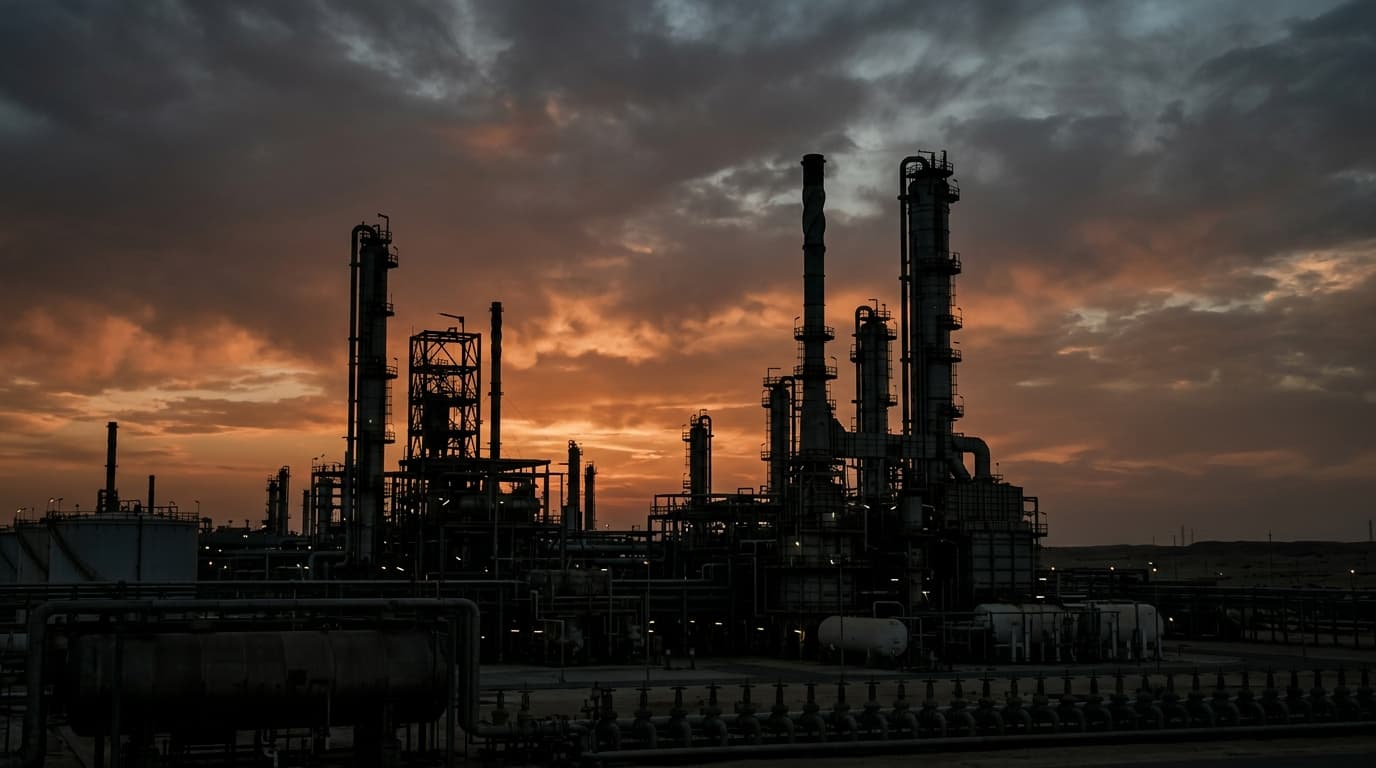
Saudi Arabia leads OPEC+'s fourth consecutive 188,000 bpd output hike, pressuring WTI toward $70. Gold at $4,327 holds central bank demand floor despite ESG mining fines.
Daily coverage · David Morales
Gold, silver, oil, copper and agriculture — supply, demand and price levels.

Saudi Arabia leads OPEC+'s fourth consecutive 188,000 bpd output hike, pressuring WTI toward $70. Gold at $4,327 holds central bank demand floor despite ESG mining fines.

Silver surged 2.6% to $59/oz on August 5 as copper hit a 52-week high and oil fell 5% on ceasefire news. Gold holds $4,161 with a CFTC positioning washout as backdrop.

Chinese institutional investors have put a floor under gold at $4,000, with 14 straight days of ETF inflows and the People's Bank of China adding 15 tonnes in June. Here's what the data actually shows.

On July 29, 2026, the U.S. Treasury designated two newly created Iranian firms charging commercial vessels mandatory 'war risk insurance' to transit the Strait of Hormuz, funneling premiums back to the IRGC. The scheme reveals how Iran has moved beyond ad-hoc extortion toward a durable financial architecture for chokepoint monetization.

Spot gold held $4,064 on August 4 as the World Gold Council's 2026 survey found 45% of central bank reserve managers plan to add gold over the next 12 months, the most bullish reading in nine years. Silver futures up 59% on the year. WTI crude posted an 18% July gain.

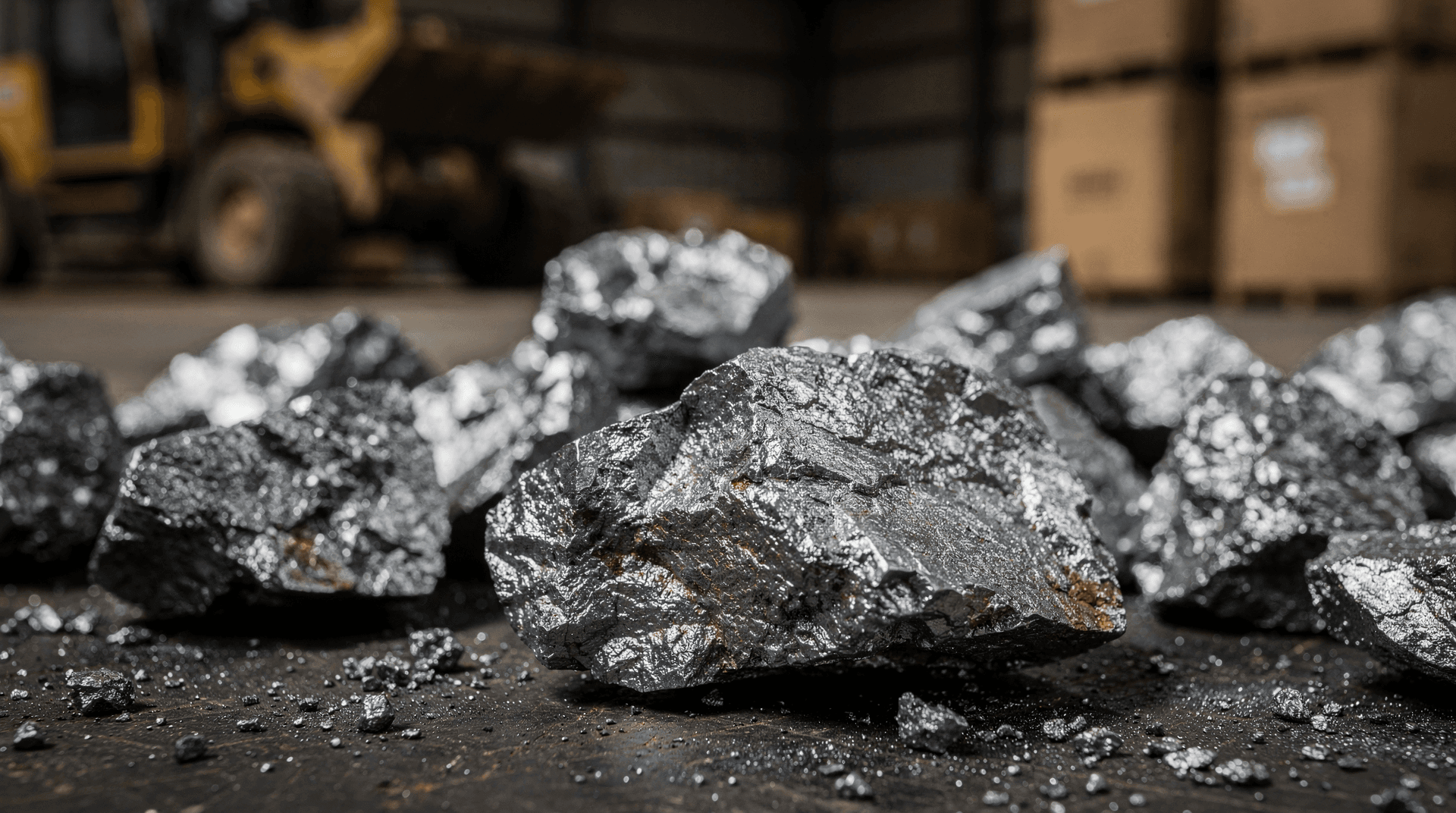
APT tungsten prices have surged 900% in 12 months as China restricts exports to 15 firms and Australia's Dolphin Mine reopens for the first time since the Cold War. The commodity market is sending a signal it has sent before every major conflict since 1917.

Deutsche Bank analyst Michael Hsueh's model puts gold fair value at $4,700/oz, 16% above August 4 spot of $4,063. The bank's BSADF statistical test still reads above its critical threshold, confirming the rare explosive price phase persists.

WTI crude shed 5.4% on August 3 to around $80/bbl after a 16.85% one-month rally fueled by Strait of Hormuz shipping disruptions. Here is what the supply data says about what comes next.

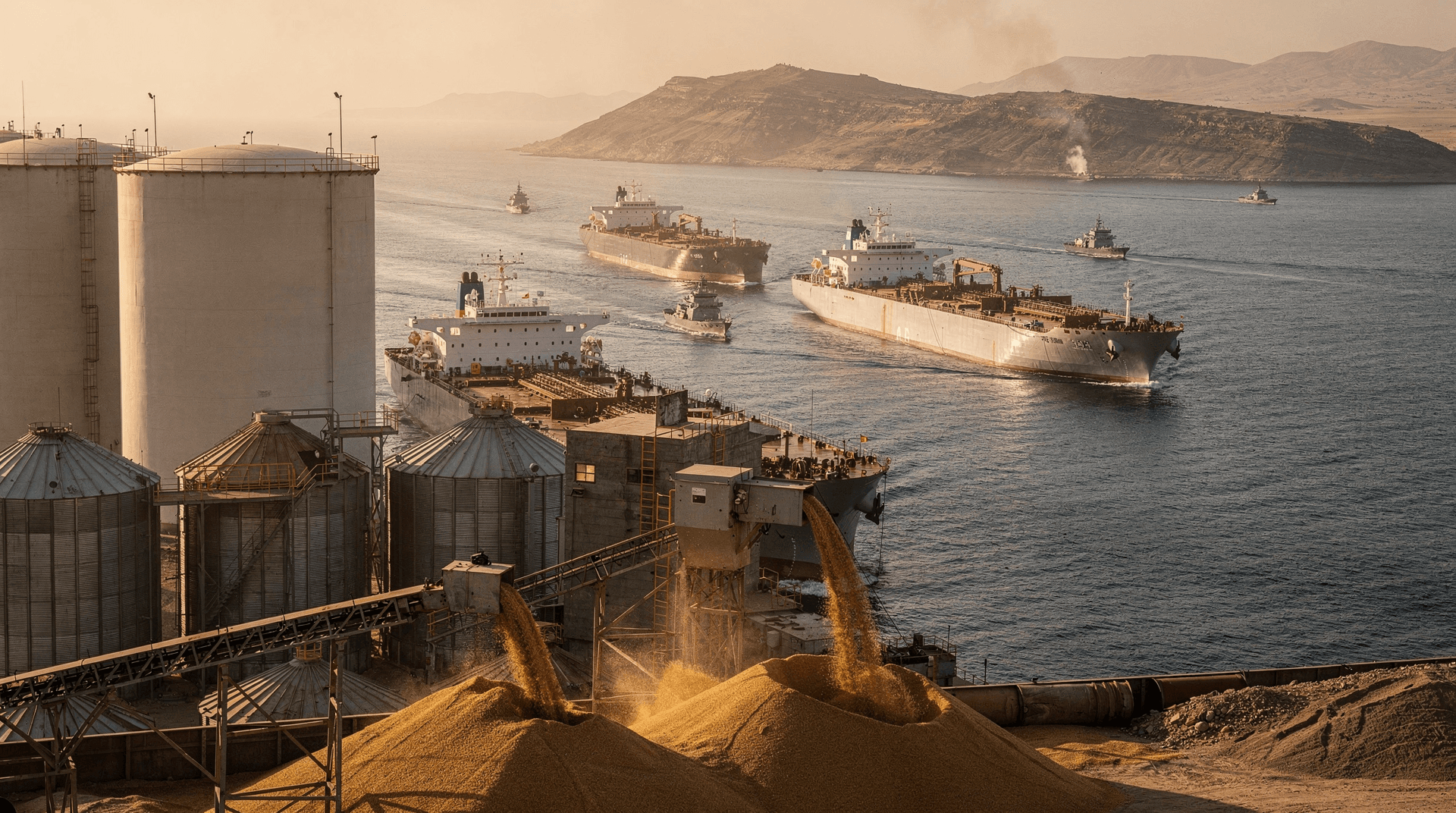
OPEC+ agreed Sunday to raise September production by 188,000 bpd, completing the phased rollback of the 1.65 million bpd voluntary cuts from April 2023. Brent settled Friday at $90.10 and barely moved. The Strait of Hormuz, not the quota sheet, is setting the price.

WTI crude pulled back to $82.47 on July 31 after Brent touched $92.65 Thursday. The $15-$20/bbl Iran conflict premium has not gone away, and sustained energy above $90 directly threatens the Fed's inflation progress.

Gold held the $4,080-$4,092 range on Friday as June PCE inflation came in soft enough to weaken the dollar, creating a contradictory setup with the Fed's 9-3 hawkish vote. Silver surged 3.34% and the gold-silver ratio compressed to 69:1. Here is what the CFTC positioning data, key support and resistance levels, and the Q3 bull and bear cases say about precious metals from here.

Gold futures at $4,092 hold the 3-month floor after the Fed's 9-3 hawkish vote. Central banks bought 244 tonnes in Q1 2026, up 17% quarter-over-quarter. The gold-silver ratio at 71:1 sits near a 50-year ceiling. WTI crude at $85 embeds a $15-20 Iran conflict premium. Full sector analysis with key levels.