US Extends Section 301 Suspension on Chinese Vessel Fees to January 9, 2027

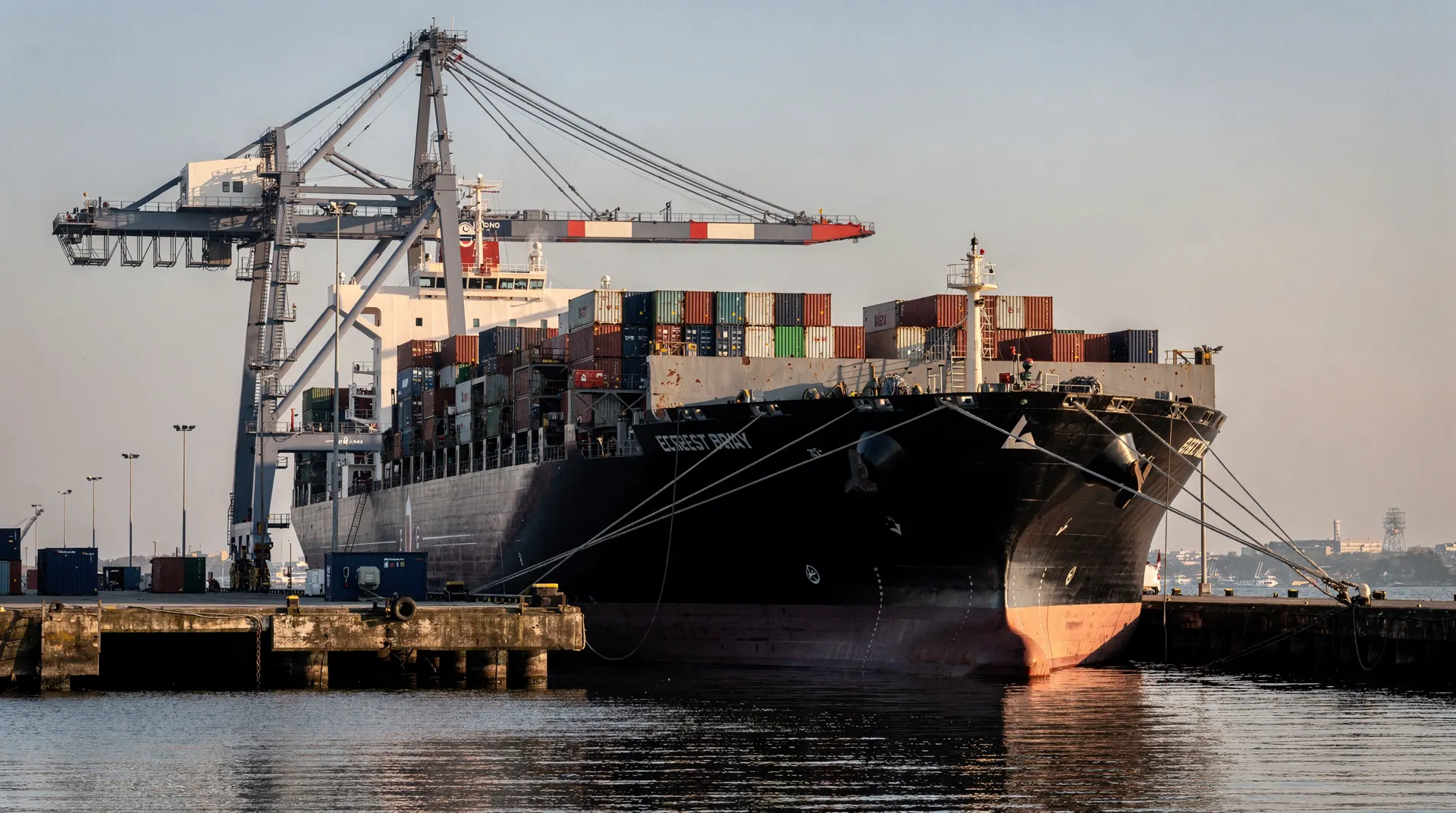
The Office of the US Trade Representative published a Federal Register notice on October 26 proposing to extend the suspension of Section 301 actions against China's maritime, logistics and shipbuilding sectors for two more months, through January 9, 2027. The notice, docket 2026-21755 at 91 FR 67388, states that the further suspension is designed to allow more negotiation with China on the practices at issue in the investigation. It also opens a compressed public comment window that will close October 30 at 5 p.m. Eastern.
The reprieve keeps a set of penalties off the books that were always set to bite hard. Chinese-built containerships arriving in the United States would face fees of $18 per net ton or $120 for each container discharged, whichever figure is higher, according to Seatrade Maritime News coverage of the original determination. The larger Section 301 action also freezes related measures, including a 100% duty on Chinese-manufactured ship-to-shore gantry cranes and punitive tariffs on Chinese-built intermodal chassis and their subassemblies.
Related reading: The Vessel Fee Pause Runs Out on November 9, and Only a Federal Register Notice Can Move It.
These are not small line items in a shipping budget. For a large post-Panamax box ship discharging several thousand containers at a US port, a $120 per container charge stacks quickly on top of the base freight rate and port charges. The suspension means no party accrues liability for, or is required to pay, the transport service fees or associated product duties during the extended window, per the notice and the SeaTrade report published October 26.
What the dates mean
The extension is the third act of a trade agreement signed last year. Under the November 2025 deal reached by President Trump and President Xi Jinping, the United States suspended the responsive actions for one year beginning November 10, 2025. That one-year suspension was set to expire November 9. The new notice formalizes a handshake agreement the two leaders reached during Xi's visit to the White House in late September, and pushes the effective end date to January 9, 2027.
Related reading: LA-Long Beach Cargo Record Signals a Front-Loaded Peak Season as Container Rates Climb.
The timeline matters for anyone booking freight into the new year. A one-week comment window that will close October 30 is short by federal rulemaking standards, and USTR is asking interested parties to weigh in on the proposed two-month modification. After comments close, USTR will decide whether to finalize the further suspension. So December bookings, which typically clear in November on the spot market, are still being priced under the suspended regime, while the comment period gives importers, exporters and carriers an unusually tight window to shape what happens in January.
Why the relief keeps getting pushed
The suspension buys negotiating time more than it removes pressure. The 301 investigation is rooted in US findings that China has targeted the maritime, logistics and shipbuilding sectors for dominance, a determination the Trade Representative made in April 2025. The one-year pause was framed as a period to negotiate the issues and to keep working with allies and partners on revitalizing American shipbuilding. A second two-month extension to January 9 signals that the talks have not produced a final resolution, and that neither side wants fees to snap back into effect at the peak of trans-Pacific cargo season.
Related reading: Commerce Moves to Choke Off Polysilicon Stockpiling Before Section 232 Tariffs Land December 4.
There is a real question of whether the fees were ever going to function as designed. The penalties target Chinese-built and Chinese-flagged tonnage, but the practical effect would land on US importers through higher ocean rates and on carriers that operate Chinese-built vessels across the largest trade lane in the world. That is a large share of the transpacific fleet. Applying per-container fees to that tonnage would have been a broad tax on the busiest US import route, which is exactly why the relief matters to the goods economy rather than only to shipowners.
The freight market has already been feeling peak-season pressure. The Port of Los Angeles and Long Beach complex set an all-time monthly cargo record in September, with the two ports together moving about 2.04 million TEU, up 21.4% year over year. Chinese-built tonnage is woven through the capacity serving that lane. A January fee restart, with no notice period, would hit an import flow that is still showing front-loaded, elevated volumes.
Related reading: Canada Import Bans Reach Federal Register as Volumes Turn.
What to watch next
The October 30 comment deadline is the immediate marker. After that, watch USTR's decision on whether to finalize the January 9 extension, and any signal out of the broader US-China trade talks about a longer-term arrangement on shipbuilding. The next real test is not January 9 itself but the state of negotiation in November and December. If a fuller agreement emerges, the suspension could roll into something more durable. If not, the fees remain staged to land at the start of the year on the busiest US container lane.
For shippers, the practical read is to price early-2027 freight with the possibility of a January fee on the table, even though nothing is payable today. Container spot rates are already rising on front-loaded demand, and a sudden restart of per-ton and per-container charges would compound that. The suspension to January 9 is welcome relief, and it is explicitly temporary.
This content is for informational purposes only and does not constitute financial advice. Past performance is not indicative of future results. Consult a qualified financial advisor before making investment decisions.
Get daily intelligence delivered
Create a free account for the Daily Brief every weekday and The Week Ahead every Sunday. No card required.