Canada drayage cost set for a 24% fuel surcharge

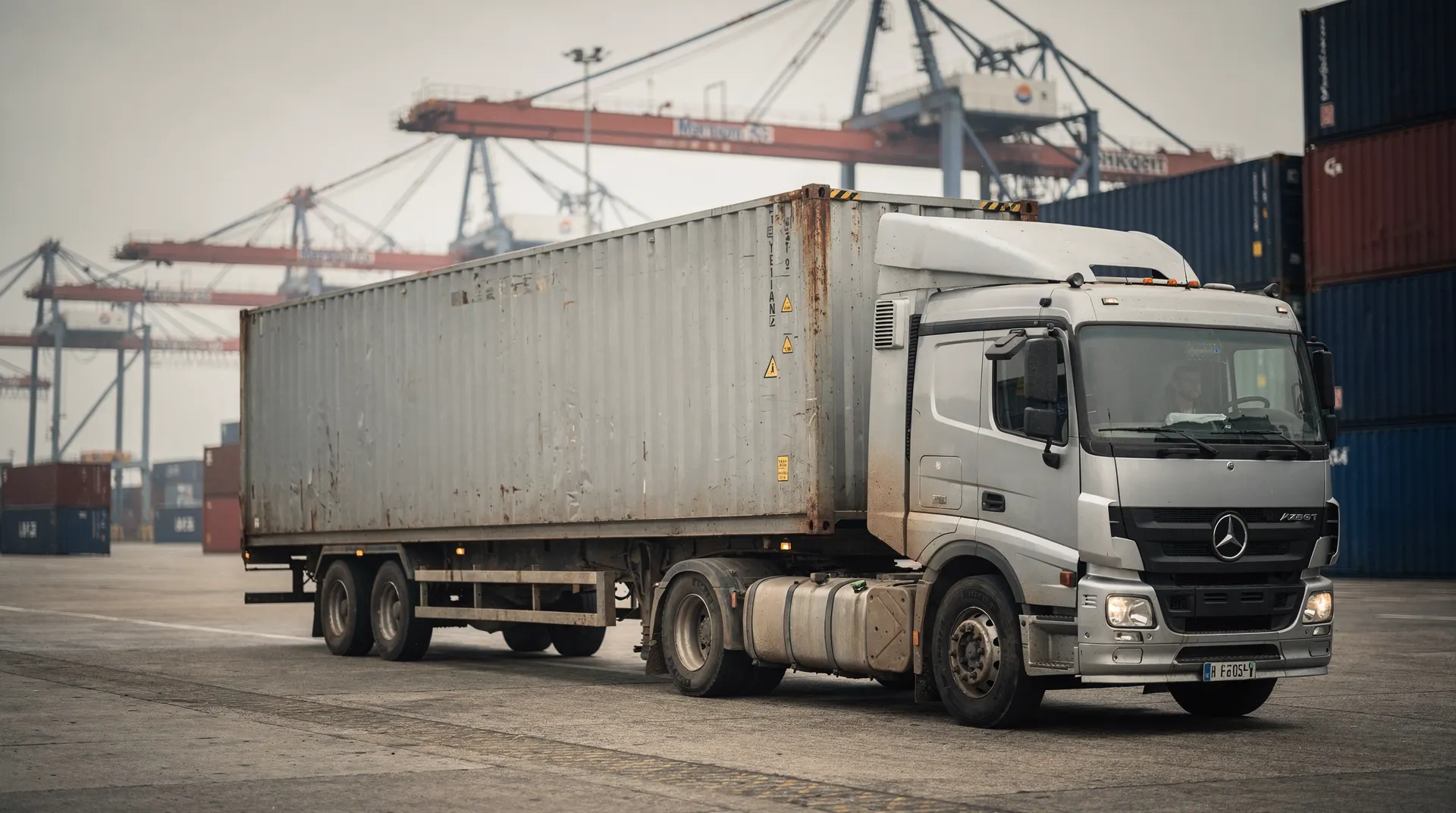
Maersk has set a 24% surcharge on eligible Canadian inland container haulage from November 1, 2026, a direct price signal that fuel pressure is moving beyond ocean transport and onto the port-to-first-node leg. The charge applies to export and import drayage when Canada is an origin or destination, making the inland move a distinct cost line to watch through the autumn shipping cycle.
The notice, published by Maersk on October 7, describes a temporary fuel adjustment for container drayage from ocean terminals to the first node. Maersk says the measure responds to a recent rise in global energy prices and the Middle East security situation, which it says has affected fuel availability. It applies to both Carrier Haulage and Multi-Carrier bookings. The carrier plans to review the percentage monthly.
Related reading: Drewry’s Intra-Asia Index Sets a Sixth Record at $1,518.
The rate is a percentage of the inland haulage charge, not a flat fee per container. That distinction matters: a 24% surcharge on a short local drayage bill will differ in dollars from the same percentage on a longer or more costly inland move. The notice does not publish an average base charge, a route-level example, or a fuel index formula, so customers cannot translate the headline rate into a single standard amount without their own booking and haulage data.
Where the cost enters
The relevant flow is ocean terminal to first inland node, rather than the entire journey to a warehouse or final customer. On an import, the charge applies to the Canadian drayage leg when Canada is the destination; on an export, it applies where the Canadian inland leg connects the origin to the port. Maersk says invoices will identify export and import charges as EFS and IFS.
Related reading: Diesel Hits $6.29 a Gallon and the Truck Leg Now Sets Landed Cost.
That placement makes the announcement useful beyond a carrier price notice. A shipment budget often separates ocean freight, port handling, and inland transport. When fuel adjustments attach to drayage, the last segment can change the delivered cost even if the ocean quote itself is unchanged. Buyers with port-to-warehouse movements should therefore compare the surcharge against the actual haulage line, rather than apply 24% to total freight or total product value.
Timing is also tied to booking details. Maersk's notice says that for its FMC shipments the surcharge applies from November 1. For non-FMC shipments, its price calculation date is the estimated departure date of the first vessel in the latest booking confirmation. For import inland service added after departure from origin, the calculation refers to the import shipment creation date. These distinctions mean two loads moving on a similar route may not receive identical treatment if their booking milestones differ.
Related reading: Gas Prices Ease, but Diesel Is Still 70% Higher.
A cost signal, not a broad freight index
This is not evidence that all Canadian truck rates rose by 24%, nor does it establish the direction of ocean container prices. It is a carrier-specific surcharge on eligible haulage, with the underlying dollar impact varying by move. Treating it as a nationwide drayage index would overstate what the notice says.
There is a reasonable counterpoint for shippers: the monthly review gives Maersk a route to reduce or remove the surcharge if its fuel and capacity costs ease. The company has not published a guaranteed duration, nor a formula that automatically resets the charge as fuel changes. Until a later notice does so, procurement teams have a concrete date and percentage, but not a transparent pass-through curve.
Related reading: Winter Heating Bills: EIA Sees Electricity Costs Up 4%.
For cost planning, the practical check is straightforward. Identify Canadian import and export bookings with carrier-managed or multi-carrier drayage, isolate the port-to-first-node haulage charge, and test the additional 24% against each contract's pricing-date rules. This is a scenario calculation, not a forecast of every shipper's bill. The charge does not automatically apply to inland legs outside the described Canadian scope.
The next signal is Maersk's monthly review and any accompanying rate notice. If fuel pressure persists, the surcharge may remain or change; if it eases, the review creates a possible adjustment point. What is clear today is narrower but material: from November 1, Canadian drayage becomes a separately visible fuel-cost variable on eligible Maersk bookings. The landed-cost question now turns on the haulage rate and the date attached to each shipment, not on the 24% headline alone.
This content is for informational purposes only and does not constitute financial advice. Past performance is not indicative of future results. Consult a qualified financial advisor before making investment decisions.
Sources: Maersk, Canada fuel surcharge notice, October 7, 2026; Container News, Maersk sets Canada inland fuel surcharge, October 8, 2026.
Get daily intelligence delivered
Create a free account for the Daily Brief every weekday and The Week Ahead every Sunday. No card required.