Energy, Health Care Lead as Tech Lags Into CPI Week
Energy and health care sectors lead while technology lags ahead of CPI data. Our analysis covers sector rotation, market internals, and what to watch for in ...
Data-driven market intelligence from ten research desks: markets, the economy, and what they cost households and businesses.

Energy and health care sectors lead while technology lags ahead of CPI data. Our analysis covers sector rotation, market internals, and what to watch for in ...

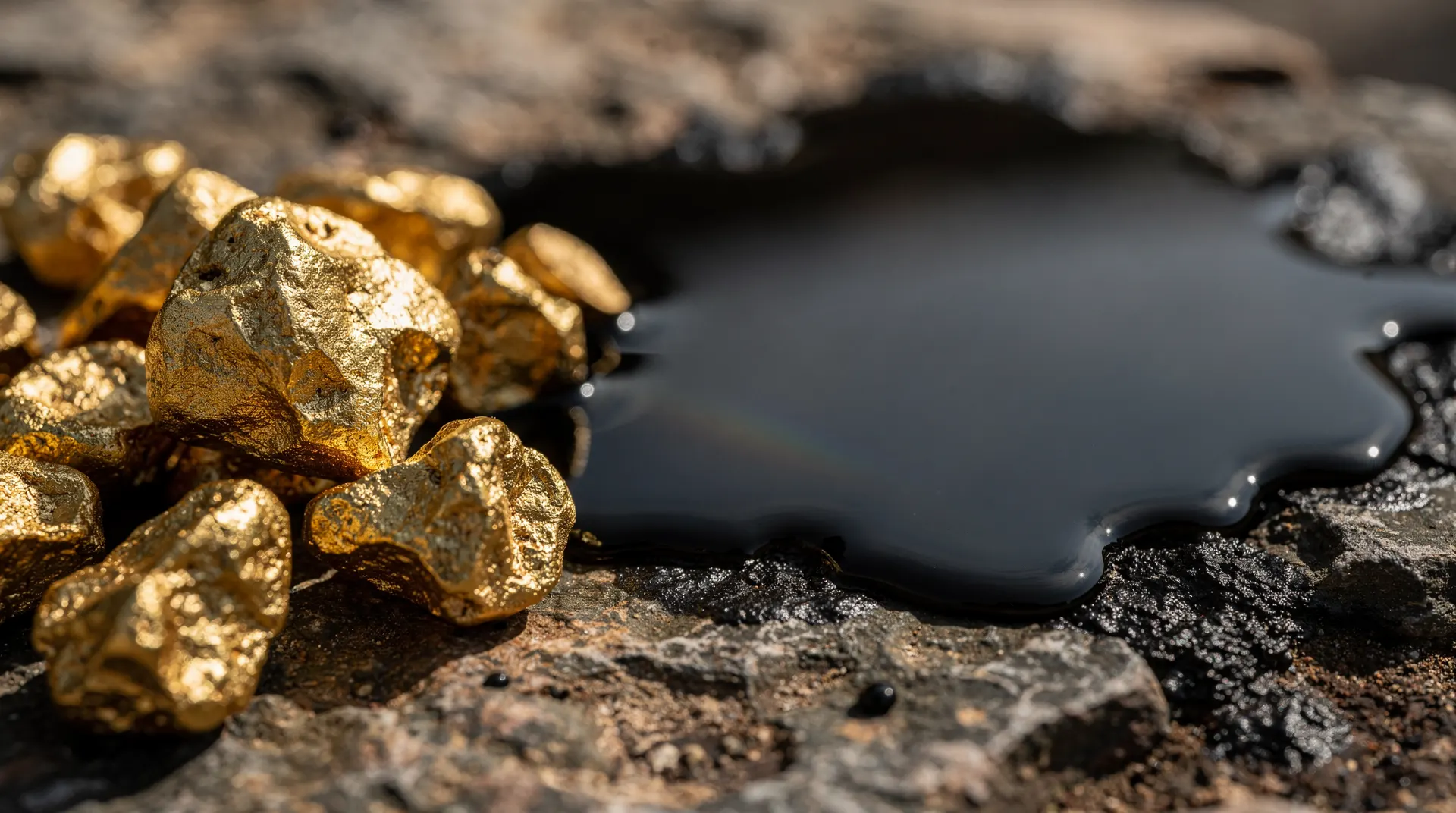
Gold is holding the $4,300 breakout Monday morning after last week's 7% rally, with GLD, SLV and the miners all firm. Copper sits near record levels on a real supply deficit, and oil stays two-sided as Hormuz tension meets a surprise inventory build.

Gold reclaimed $4,334/oz on Friday, August 7, its fourth consecutive session of gains, as Iran-Oman-US talks on the Strait of Hormuz pulled September Fed rate-hike odds from 67% to 55%. Key support at $4,264; resistance at $4,355-$4,400.

Spot gold at $4,257.88 holds above $4,200 despite a rising dollar as the Strait of Hormuz crisis keeps a geopolitical risk premium across commodities. WTI crude stabilizes in the $78-$84 range after a $126/bbl peak. Key levels and both sides of the trade.

Silver surged 2.6% to $59/oz on August 5 as copper hit a 52-week high and oil fell 5% on ceasefire news. Gold holds $4,161 with a CFTC positioning washout as backdrop.

Spot gold held $4,064 on August 4 as the World Gold Council's 2026 survey found 45% of central bank reserve managers plan to add gold over the next 12 months, the most bullish reading in nine years. Silver futures up 59% on the year. WTI crude posted an 18% July gain.

WTI crude shed 5.4% on August 3 to around $80/bbl after a 16.85% one-month rally fueled by Strait of Hormuz shipping disruptions. Here is what the supply data says about what comes next.

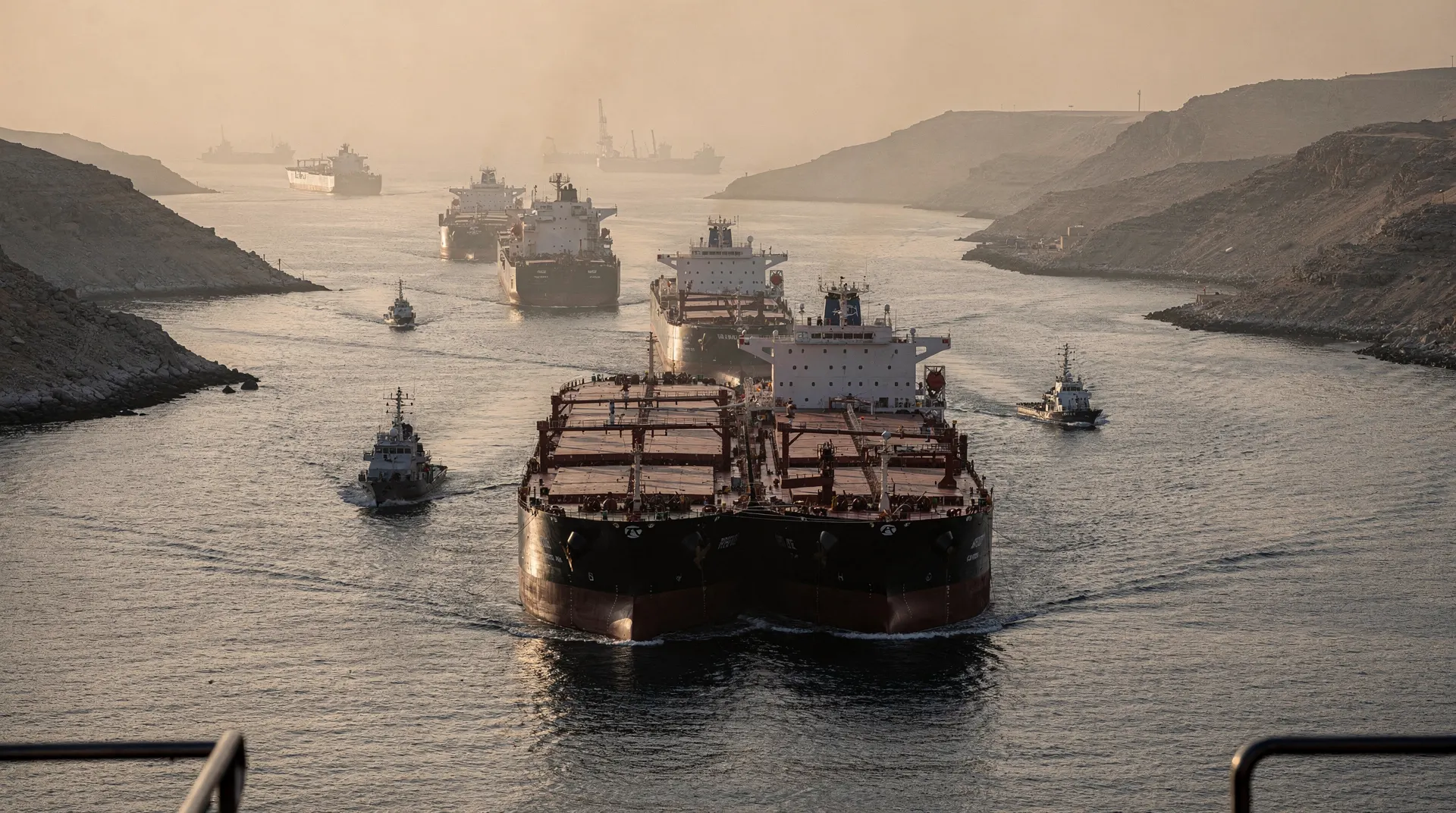
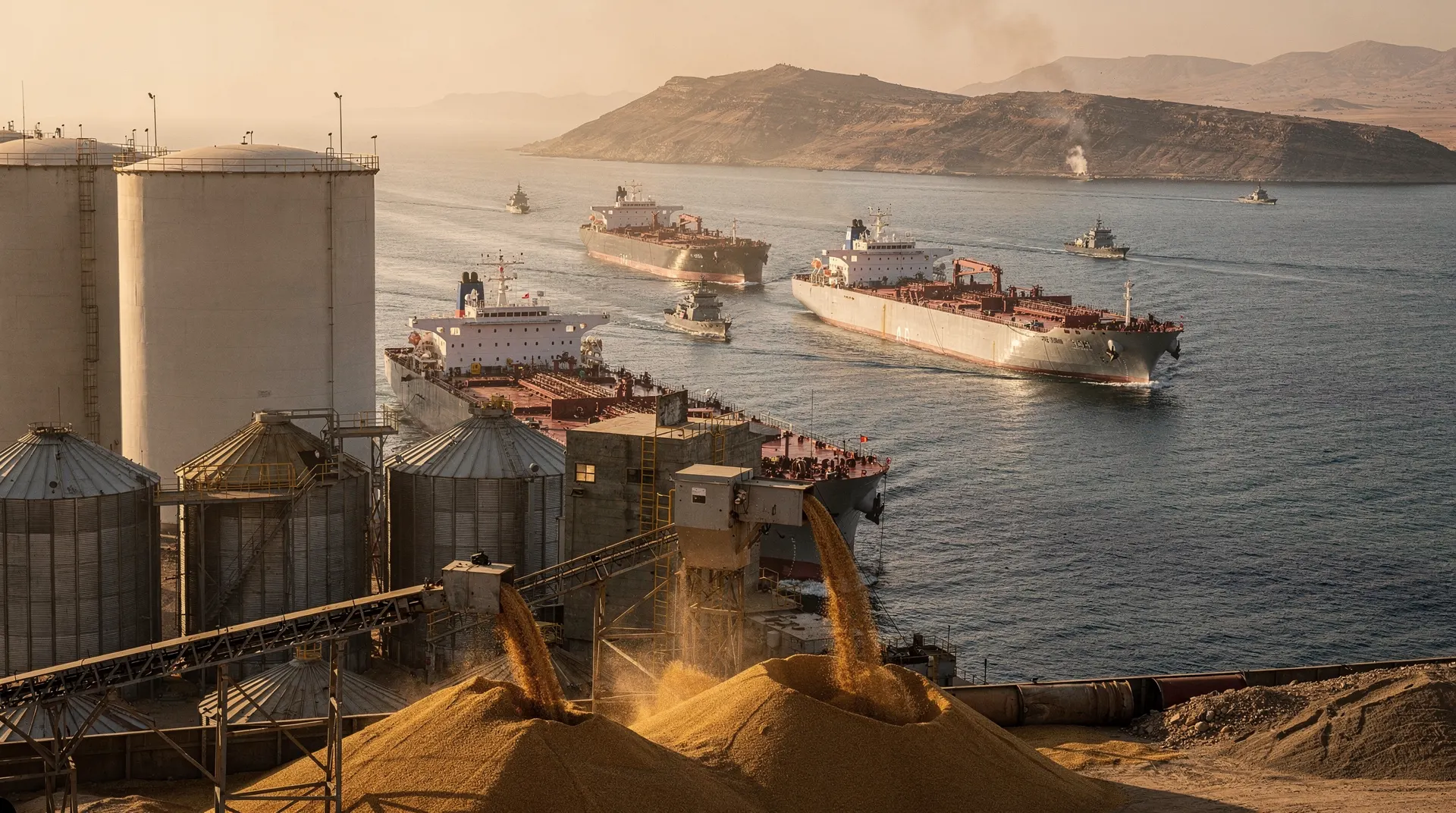
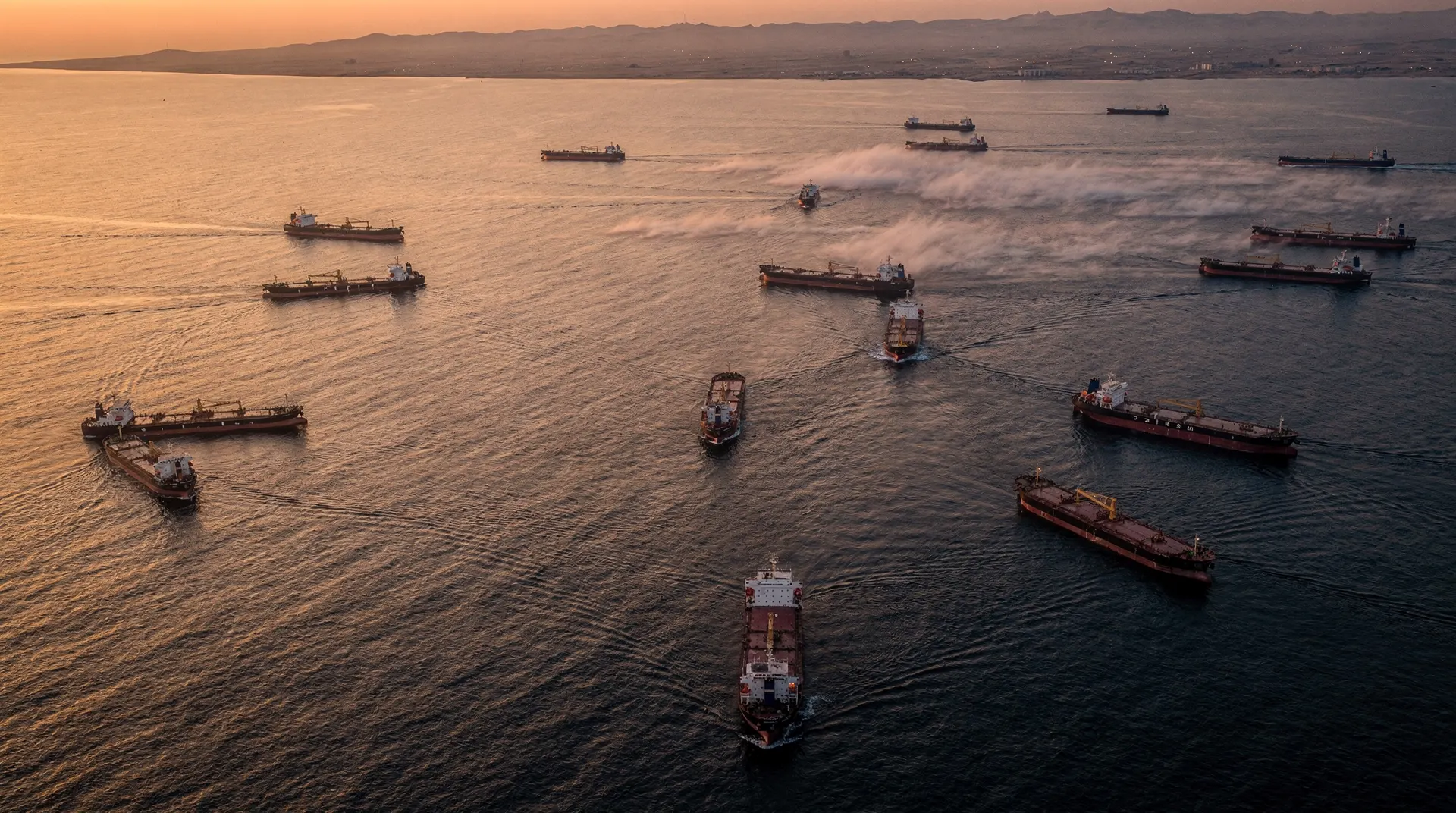
OPEC+ agreed Sunday to raise September production by 188,000 bpd, completing the phased rollback of the 1.65 million bpd voluntary cuts from April 2023. Brent settled Friday at $90.10 and barely moved. The Strait of Hormuz, not the quota sheet, is setting the price.

WTI crude pulled back to $82.47 on July 31 after Brent touched $92.65 Thursday. The $15-$20/bbl Iran conflict premium has not gone away, and sustained energy above $90 directly threatens the Fed's inflation progress.

Gold trades at $4,087/oz as geopolitical risk from the US-Iran conflict and the Fed's hawkish pause pull commodities in opposite directions on July 30.

Oil jumped 4% on Iranian strikes. Gold barely moved. The divergence between two inflation-hedge commodities reveals how the market is reading the September rate path.

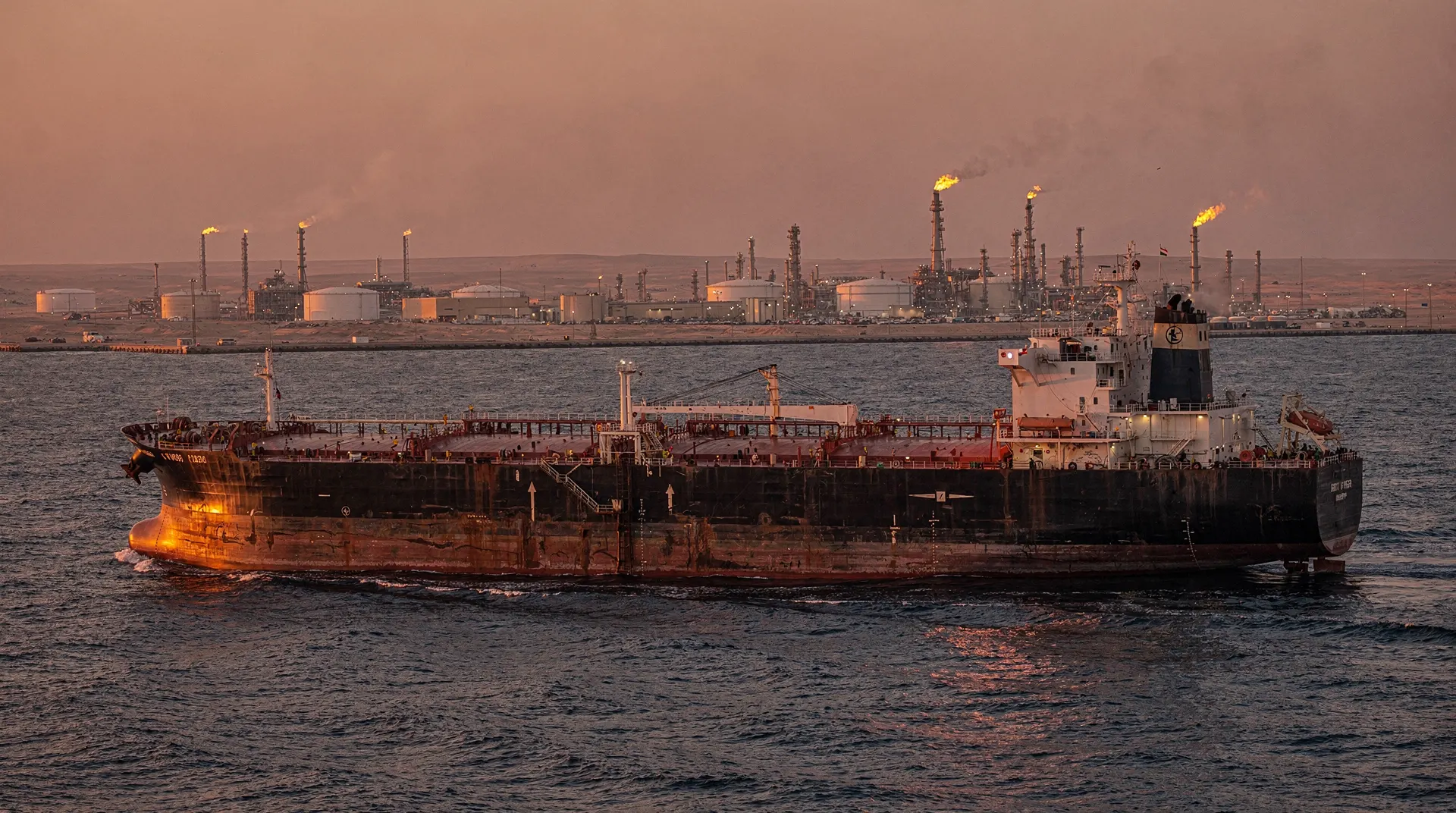
WTI crude surged to $82.54, up more than 4%, after Iranian forces attacked US troops and Saudi Arabia's Eastern Region oil facilities. Here is what the move means and what to watch next.