Spain holds first general strike in 14 years over housing crisis, disrupting public services and transport

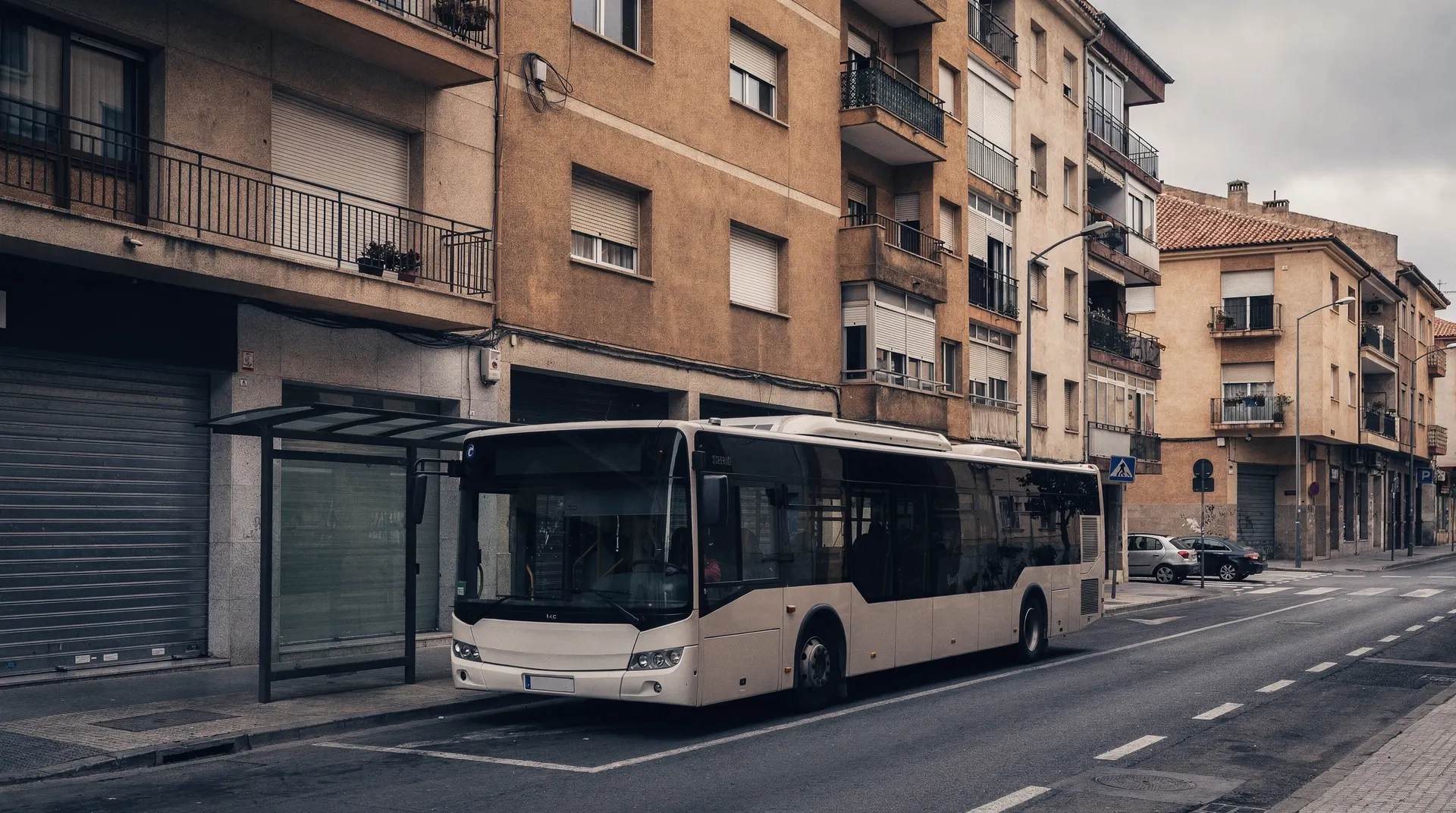
Spain is holding its first general strike in 14 years, a 24-hour stoppage that began at midnight on Wednesday, November 11, called by the two largest union confederations over housing affordability, wages and living costs. The walkout, under the slogan "Salaries. Housing. Prices.", has disrupted transport, closed schools and shut businesses across the eurozone's fourth-largest economy, 18 days before a snap general election on November 29.
The stoppage is organized by the Union General de Trabajadores (UGT) and Comisiones Obreras (CCOO), with smaller unions and tenants' associations, after months of protest over housing access. It is the first general strike since 2012, when the same confederations struck against labour reform and austerity, and the first nationwide one driven by the housing market rather than a labour-law rollback.
Related reading: Job Postings Just Turned Positive for the First Time in Four Years.
Rising rents are the driver. The average rent in Spain has nearly doubled in a decade, per housing data reported by the property portal Idealista, while the average gross monthly salary is about 2,460 euros. Idealista put the average rent for a 50 square meter apartment in Madrid at 1,170 euros a month in October, close to half the average gross salary and, per the Youth Council of Spain, 98.7% of the average young person's income. That is far above the 30% of income experts recommend households spend on shelter.
A single eviction turned that frustration into a national movement. In September, 87-year-old Maricarmen Abascal was evicted from the Madrid home she had lived in for more than seven decades and died days later. Her case sparked demonstrations, including a five-week occupation of Madrid's Puerta del Sol square, and that unrest pushed the unions into a full national stoppage.
Related reading: SoftBank Q2 Loss Tops $7 Billion on Data Center Power Write-Off.
Participation is contested, as it usually is in Spanish stoppages. Unions reported significant stoppages including 90% in automotive and port sectors, 85% in meat, 82% in waste collection and 75% in energy. CCOO secretary-general Unai Sordo said turnout had "exceeded the labor unions' expectations" and was "a success". The Confederation of Tenants' Associations said about 4 million people had taken part by midday. Employers dispute that: the CEOE business organisation said participation was low in most sectors, and a spokesperson for the Conservative-led Madrid regional government called the strike "a complete and authentic failure", saying just 9% of public-sector employees in the region took part. There is no official national participation figure.
Disruption has been real even where turnout is argued. About 5% of flights were cancelled at Spanish airports on Wednesday, according to airport operator AENA. Barcelona's metro and buses stopped running outside rush hour and pickets blocked roads into the city, including the AP-7 motorway. Madrid's metro ran at 80% of normal service in peak hours, 50% off-peak. Many schools and universities closed or ran at minimal capacity, adding in Madrid to a teachers' strike nearly a month old. Police reported 29 arrests, led by nine in Madrid.
Related reading: Median Job Tenure Rose to 4.1 Years. A Frozen Market Explains It..
The government has not met the unions' central demand. Spain's Congress of Deputies rejected two government housing decree-laws on October 2, with the Popular Party, Vox and Junts voting against, and the minority Socialist government called a snap election for November 29. Prime Minister Pedro Sanchez told the daily La Vanguardia on Sunday that "this is not a strike against anyone, but rather one in favour of a common response from all levels of government to a real problem, which is access to housing".
Business groups rejected the stoppage as election-related, and the conservative opposition went further. Popular Party leader Alberto Nunez Feijoo, who leads polls, called the strike "a serious mistake" before the vote, and the Conservative leader of the Madrid region, Isabel Diaz Ayuso, accused striking workers of "holding citizens hostage". Both frame the action as helping Sanchez stay in power.
Related reading: X-Energy Construction Permit Clears NRC for Dow's Texas SMRs.
Who pays and who gains depends on which measure holds. Workers in transport, industry and waste walked out in large numbers on the unions' figures; retail and hospitality was lighter, and employers say most sectors kept working. Renters carry the affordability burden that drove the strike, while owners of tourist lets are the winners tenants' unions want to curb. The unions also jointly demand a rise of at least 7% in Spain's minimum wage for 2027.
The next dated catalyst is the general election on November 29, which polls suggest the right is likely to win. A further rail strike is scheduled for November 12 and more industrial action for November 17, so disruption may outlast the one-day stoppage. The open question is whether a housing-driven stoppage of this scale shifts affordability into policy, or is absorbed into an election campaign that ends with the strike unresolved.
This content is for informational purposes only and does not constitute financial advice. Past performance is not indicative of future results. Consult a qualified financial advisor before making investment decisions.
Get daily intelligence delivered
Create a free account for the Daily Brief every weekday and The Week Ahead every Sunday. No card required.