Macro Landscape: Inflation Moderates, Growth Holds Steady

Inflation is moderating and growth remains steady, creating an environment where markets can breathe but not run. The Federal Reserve held rates at 3.63% in August while the 10-year Treasury yield climbed to 4.79%, signaling bond markets expect persistent inflation pressure despite the Fed's wait-and-see posture.
Real GDP grew 0.37% quarter-over-quarter in Q2 2026, roughly a 1.5% annualized pace. This sits below the long-run trend but fits a soft-landing scenario where restrictive policy cools the economy without triggering recession. The M2 money stock increased 0.44% in July, four straight months of expansion. This suggests the Fed's balance sheet runoff is not draining system-wide liquidity to a degree that threatens asset prices. Historically, sustained M2 growth above 0.3% per month has correlated with supportive equity returns, and the current pace fits that pattern.
Headline CPI rose a mere 0.07% in July, bringing the year-over-year increase to approximately 2.9%. The subdued monthly print shows the disinflationary trend remains intact, albeit slower than earlier in the year. The unemployment rate fell to 4.1% from 4.2%, showing the labor market remains resilient. A sub-4.5% unemployment rate has historically preceded wage-push inflation pressures, and with job openings still elevated relative to pre-pandemic levels, the Fed will likely view this as a reason to keep policy restrictive for longer.
The Federal Funds Effective Rate held steady at 3.63% in August, reflecting the FOMC's wait-and-see posture. The 10-year Treasury yield climbed 4 basis points to 4.79%, widening the spread between short- and long-term rates. This steepening suggests bond markets are pricing in either higher term premia or an upward shift in the expected path of future short rates. Given that the Fed has signaled no imminent cuts, the move likely reflects growing concern that inflation will prove stickier than projected, forcing the central bank to keep rates higher for longer. The yield curve remains inverted, a classic recession signal, but the recent steepening may indicate markets are starting to price a re-steepening cycle ahead of an eventual Fed pivot.
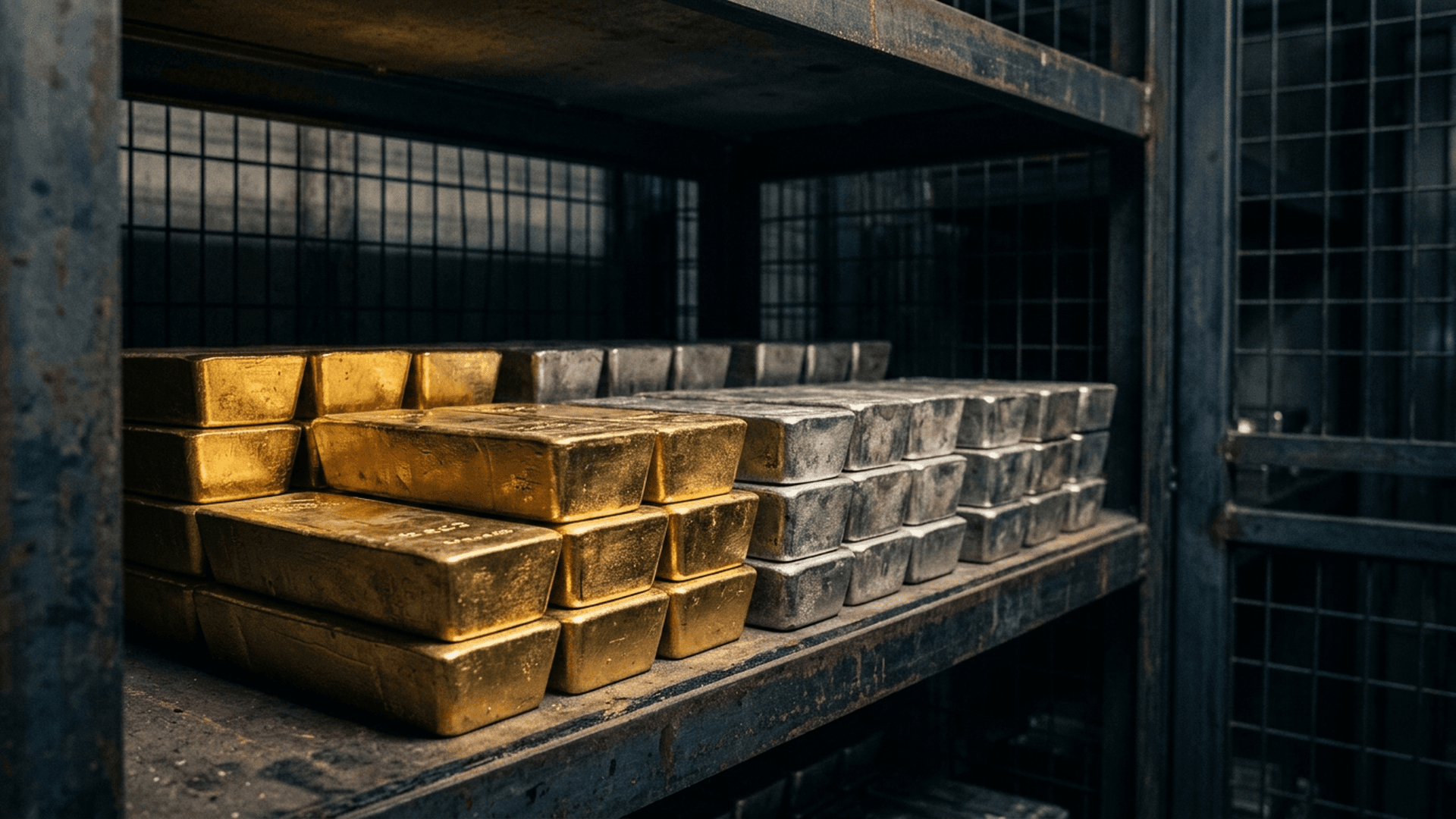
Geopolitical tensions in the Gulf have added a new layer of uncertainty to the inflation outlook. Any disruption to oil shipments through the Strait of Hormuz could send crude prices sharply higher, reversing recent disinflationary progress. Precious metals have already reacted. Gold and silver posted gains of 1.5% and 2.0% respectively, showing both haven demand and a modest decline in the U.S. dollar. The DXY index edged down 0.14% on the day, but its broader uptrend remains intact, supported by relatively higher U.S. yields.
Equities traded slightly higher, with the S&P 500 up 0.44% and the Nasdaq 100 up 0.23%. The muted reaction shows investors are balancing healthy growth data against the threat of higher long-term yields. Treasury ETFs were nearly flat, indicating that the sell-off in long-dated bonds has paused for now. Crypto markets also saw modest gains, though regulatory uncertainty continues to cap any strong rally.
The primary upside risk to inflation is a geopolitical shock that pushes oil prices above $100 per barrel. The primary downside risk to growth is a sharper-than-expected tightening of bank lending standards, which could amplify the lagged effects of the Fed's prior rate hikes. A third risk is that the labor market suddenly weakens, forcing the Fed into an abrupt pivot that could destabilize currency and bond markets.
Watch the September CPI print for confirmation that disinflation remains on track. Monitor the 10-year yield as it approaches 4.80%, a level that could pressure equity valuations if sustained. Gold above $2,450 would signal that haven demand is gaining momentum, while a break below could indicate markets are pricing out geopolitical risk. The Fed's September meeting will clarify whether the central bank is ready to shift from wait-and-see to a more dovish stance, or if higher for longer remains the base case.
This content is for informational purposes only and does not constitute financial advice. Past performance is not indicative of future results. Consult a qualified financial advisor before making investment decisions.
Related reading
- Beyond the Fed Rate Decision: What Q2 Growth and Yield Curve Signals Mean for Markets
- CPI Holds Near 332 as M2 Shrinks: What Fed Policy Means for Inflation
- The Fed's Patience Pays Off: Contained Inflation, Resilient Labor, and What Comes Next
- our Fed policy coverage
See our Fed policy hub for more analysis.
Get daily intelligence delivered
Create a free account for the Daily Brief every weekday and The Week Ahead every Sunday. No card required.