Jones Act waiver extended 90 days as Iran war keeps fuel prices high

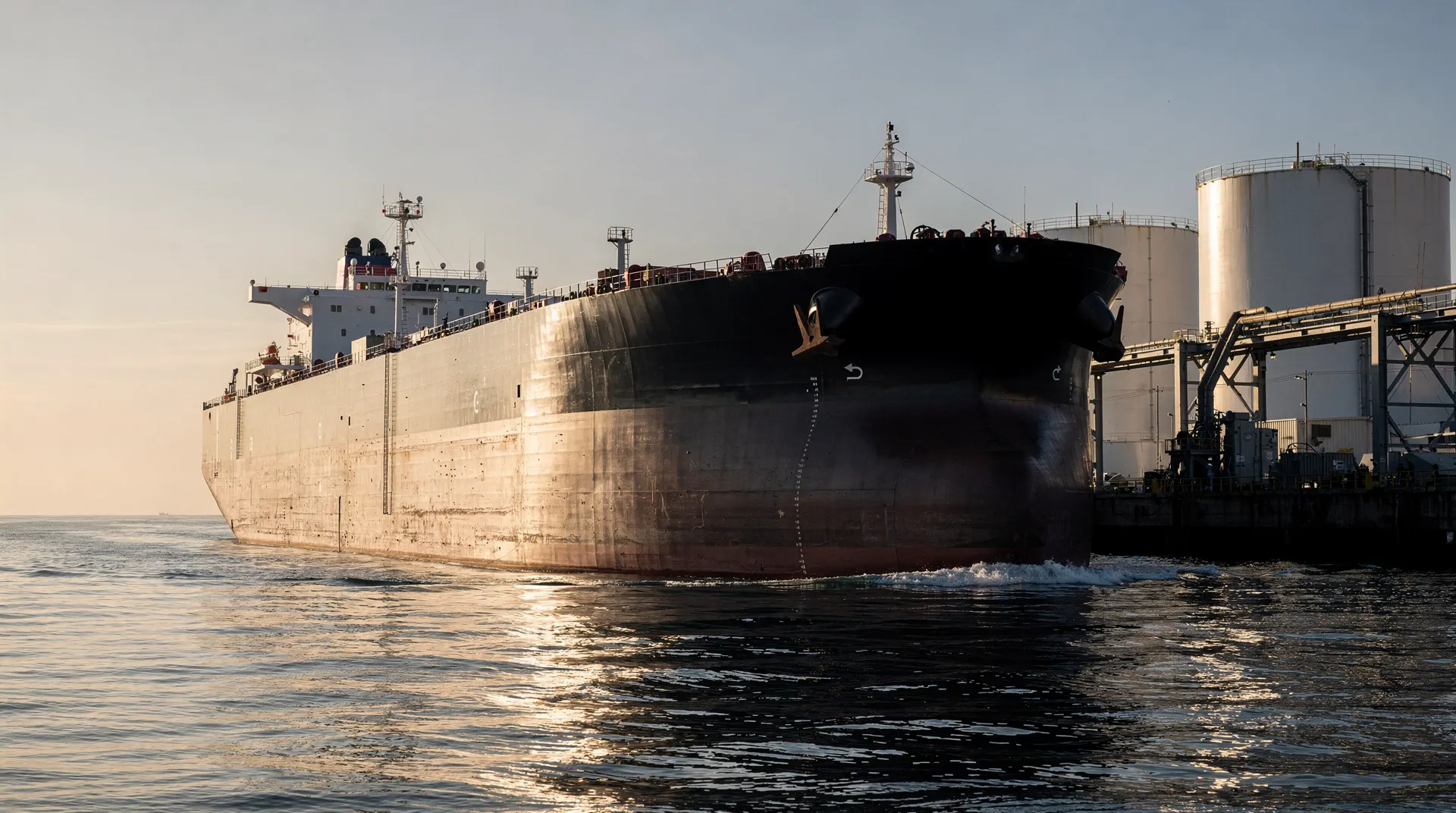
President Donald Trump extended the U.S. shipping-law waiver for another 90 days on Friday, keeping the foreign-flagged exemption for oil and commodities flowing between American ports alive through what the administration calls the longest suspension of the Jones Act in the law's history. The extension takes effect at 12:00 a.m. ET on Monday, November 16, preventing a lapse in the current waiver, a White House official told Bloomberg.
The Jones Act, the 1920 cabotage law, requires cargo carried between U.S. ports to move on vessels that are U.S.-built, U.S.-flagged, U.S.-owned and crewed by American mariners. That constraint makes domestic waterborne freight far costlier than the same move on a foreign bottom, which is the whole point of the exemption. The waiver lets foreign-flagged ships transport oil, fertilizer and other commodities between American ports for a set window.
Related reading: Iran oil exports down to about 255,000 bpd as the White House renews its Section 1245 finding.
The administration first suspended the requirements in March, then extended them in August under a case-by-case system that the renewed notice keeps in place. Under that process, the Maritime Administration must be consulted on the availability of U.S. vessels before individual voyages can proceed. The White House frames the added shipping flexibility as an effort to ease transportation bottlenecks and contain gasoline, diesel and fertilizer prices, all of which climbed after the war with Iran began disrupting energy supplies.
What has actually moved
The volumes are substantial. The White House said roughly 90 million barrels of petroleum, mostly refined products, have been shipped between U.S. ports under the waiver since March. A breakdown reported in the Foreign Policy Journal puts gasoline at about 27 million barrels, crude oil at about 26 million and renewable fuels at about 6 million, with jet fuel, naphtha, LNG, soybean oil and fertilizers also covered.
For the broader framework, see our crude oil coverage.
Related reading: Hormuz Tanker War Risk Premia Spike After Supertanker Blasts.
A Cato Institute analysis of government data counted 338 voyages by foreign vessels since the exemption took effect, on routes such as Texas crude to Pennsylvania and propane to Puerto Rico. One early bellwether: in April, Phillips 66 shipped roughly 300,000 barrels of Bakken crude from Texas to Monroe Energy's Trainer refinery in Pennsylvania aboard the Malta-flagged HTM Warrior, a trip that would have been much more expensive under U.S.-flag rates.
Who pays, who gains
The list of winners is short. Oil and chemical companies told the press the waiver let them move crude oil, fertilizer and other commodities more efficiently and at lower cost. Coastal refiners, particularly independent East Coast plants that sit far from domestic crude supply, are the clearest beneficiaries, because a waiver shrinks the freight penalty that pricing models had to swallow.
Related reading: Distillate inventories build 1.7 million barrels but East Coast fuel cushion stays 30% below normal.
The losers are the U.S. domestic shipping industry and the shipyards that serve it. The American Maritime Partnership, the main pro-cabotage lobby, called on the administration to end the waiver and review individual voyage requests closely, while shipbuilders and congressional backers of the Jones Act opposed another extension on the grounds that exemptions undermine the demand that keeps domestic shipbuilding capacity alive. That split, coastal consumers and refiners against the domestic fleet, is the fault line every future decision runs along.
What to watch next
The clock restarts Monday. A 90-day term from the November 16 effective date runs to roughly mid-February 2027, the next point at which the administration must choose again. The two pressures on that call are now public: a fuel-price environment that keeps the waiver politically useful, and a domestic shipping lobby that frames every extension as another blow to the U.S. fleet.
The waiver is the freight-side valve in the same oil story, and the barrel counts above are what it has moved so far. Related reading: Trump says no Iran deal needed as oil prices pick up on Hormuz tension.
This content is for informational purposes only and does not constitute financial advice. Past performance is not indicative of future results. Consult a qualified financial advisor before making investment decisions.
Get daily intelligence delivered
Create a free account for the Daily Brief every weekday and The Week Ahead every Sunday. No card required.